

Tanypus sp.
-
1/6
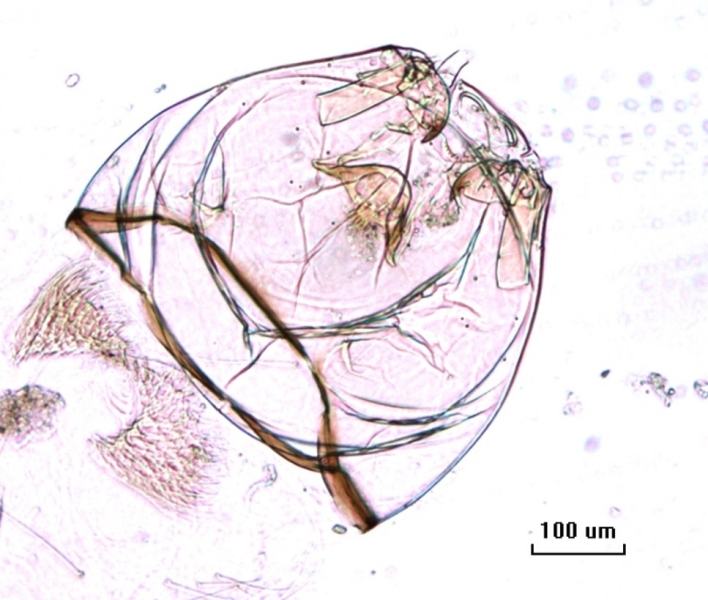
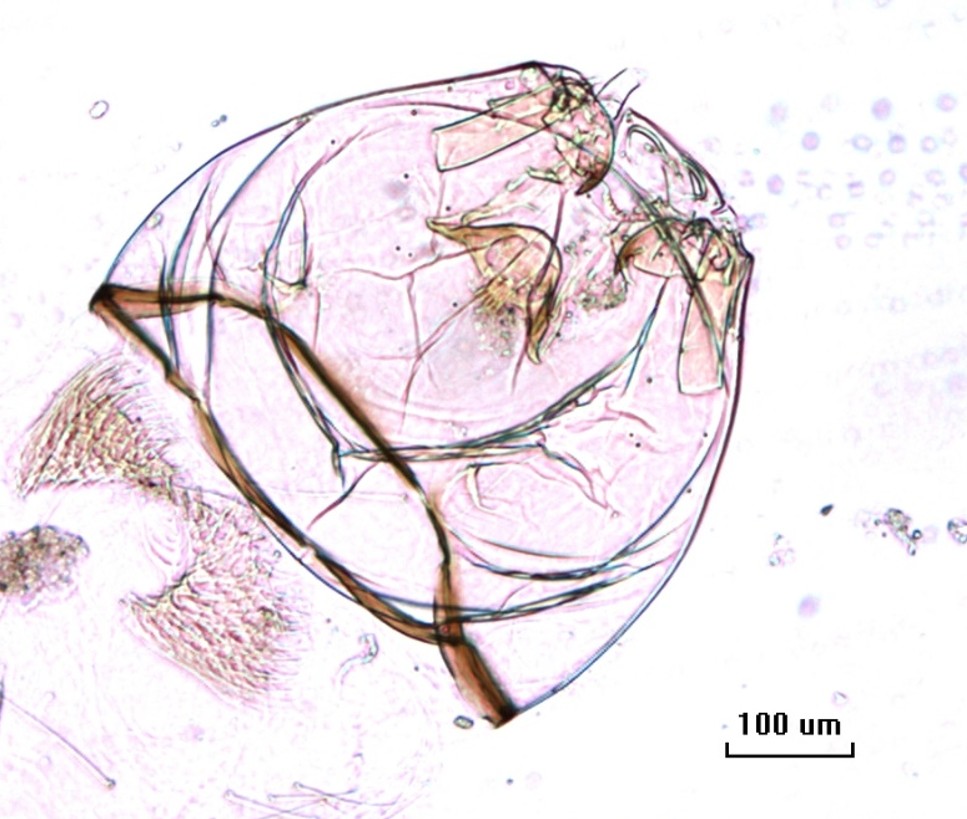
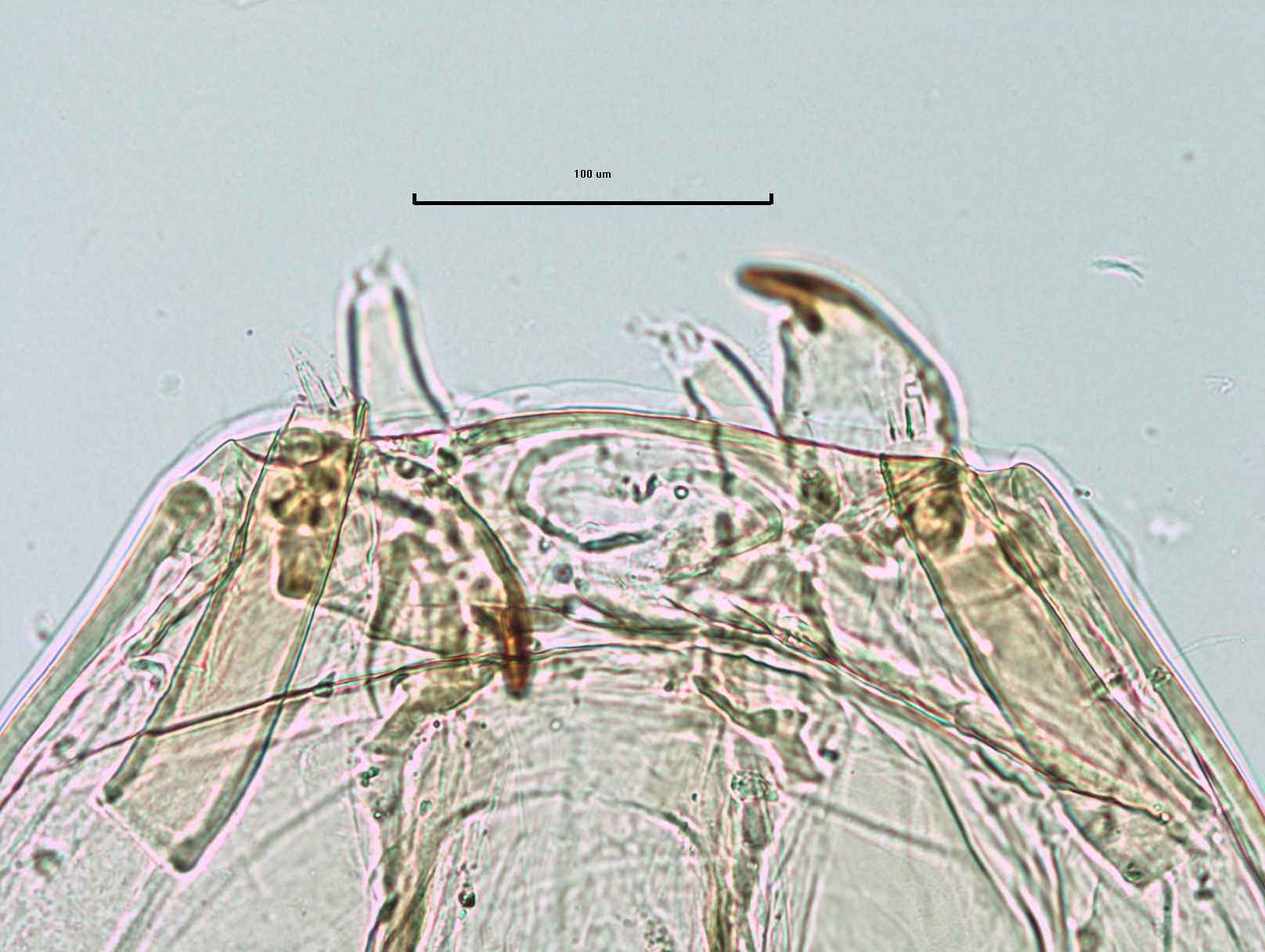
Figure 1. Tanypus sp. is a member of Tanypodinae and has rectractile antennae, an M appendage instead of a well-developed mentum, a ligula and paraligula. It also should have well-developed procerci on the posterior end (not pictured).
Download Image -
2/6
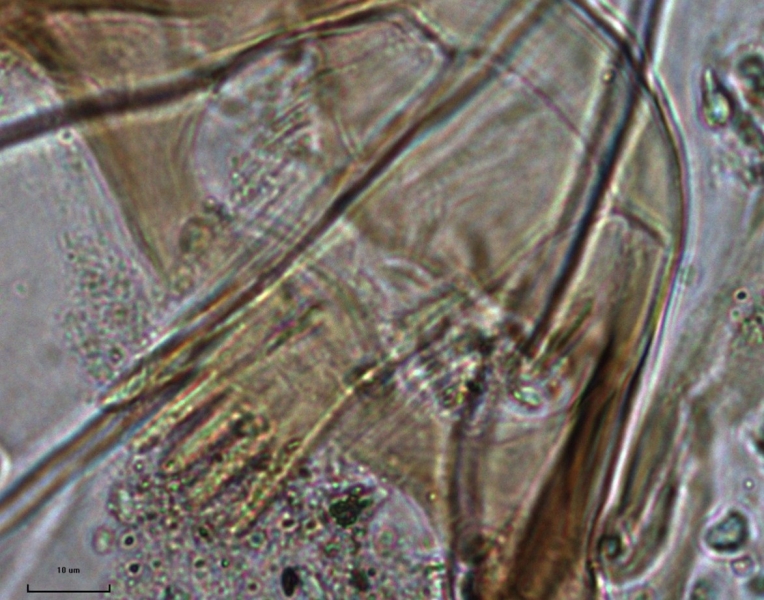
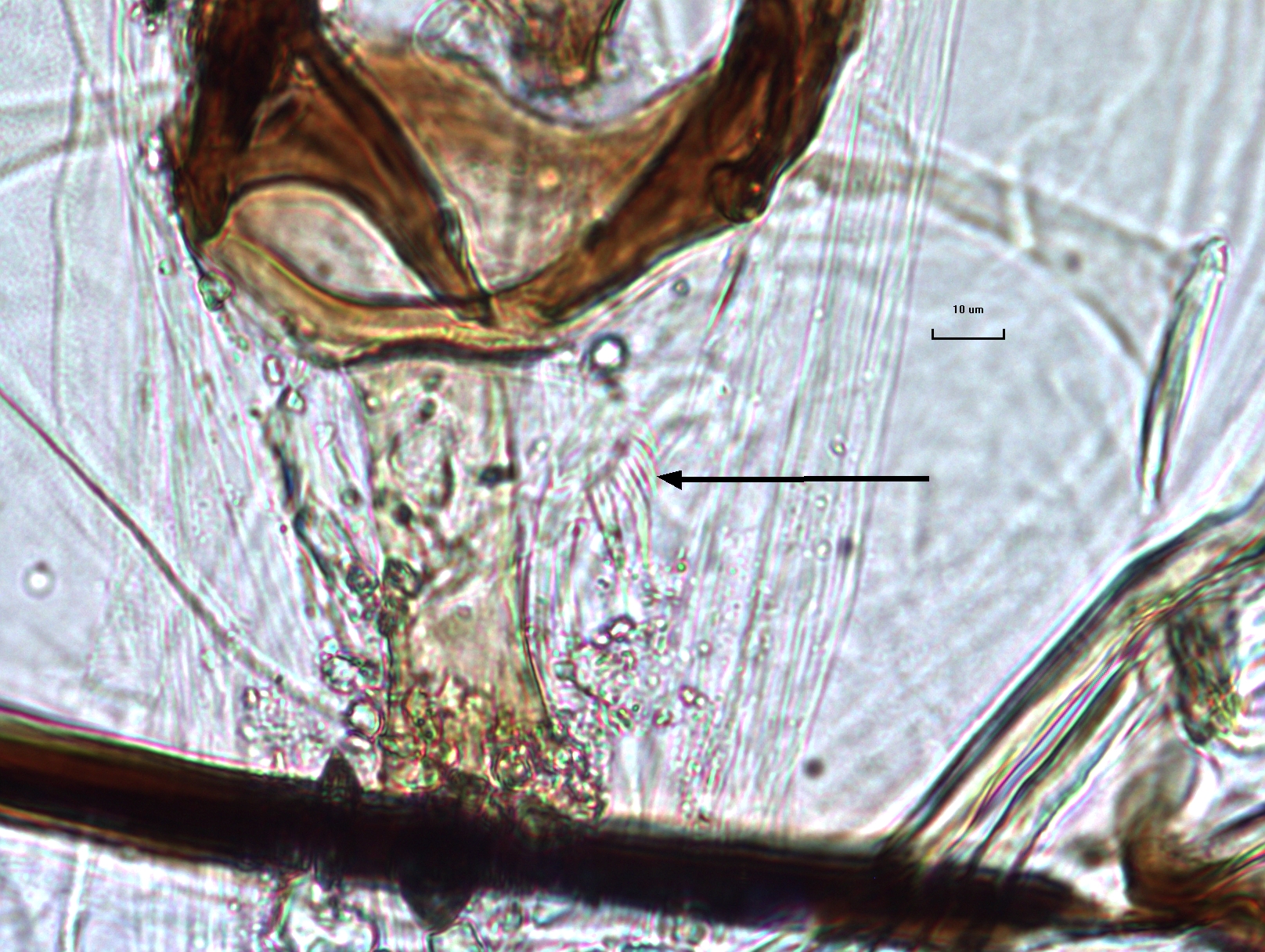
Figure 2. Note that the ligula is pale in color with five teeth that are even in length. The paraligula has many elongated teeth.
Download Image -
3/6
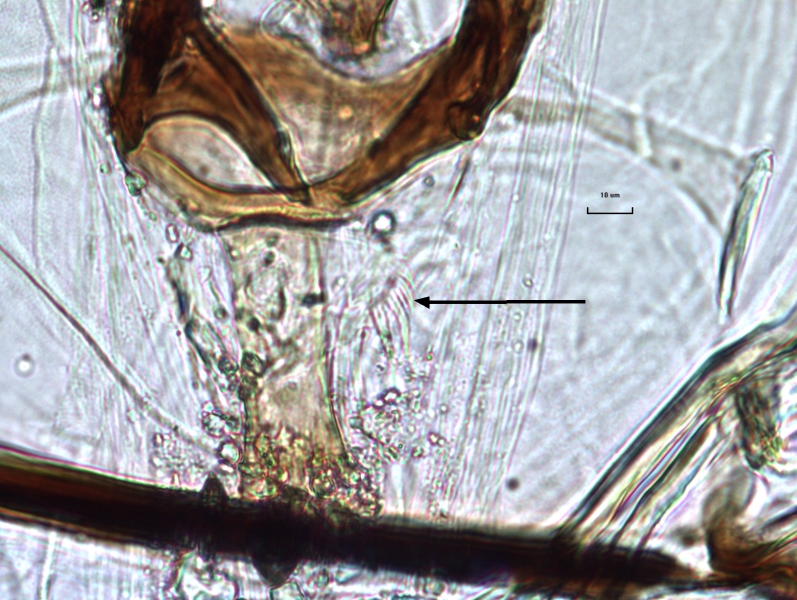
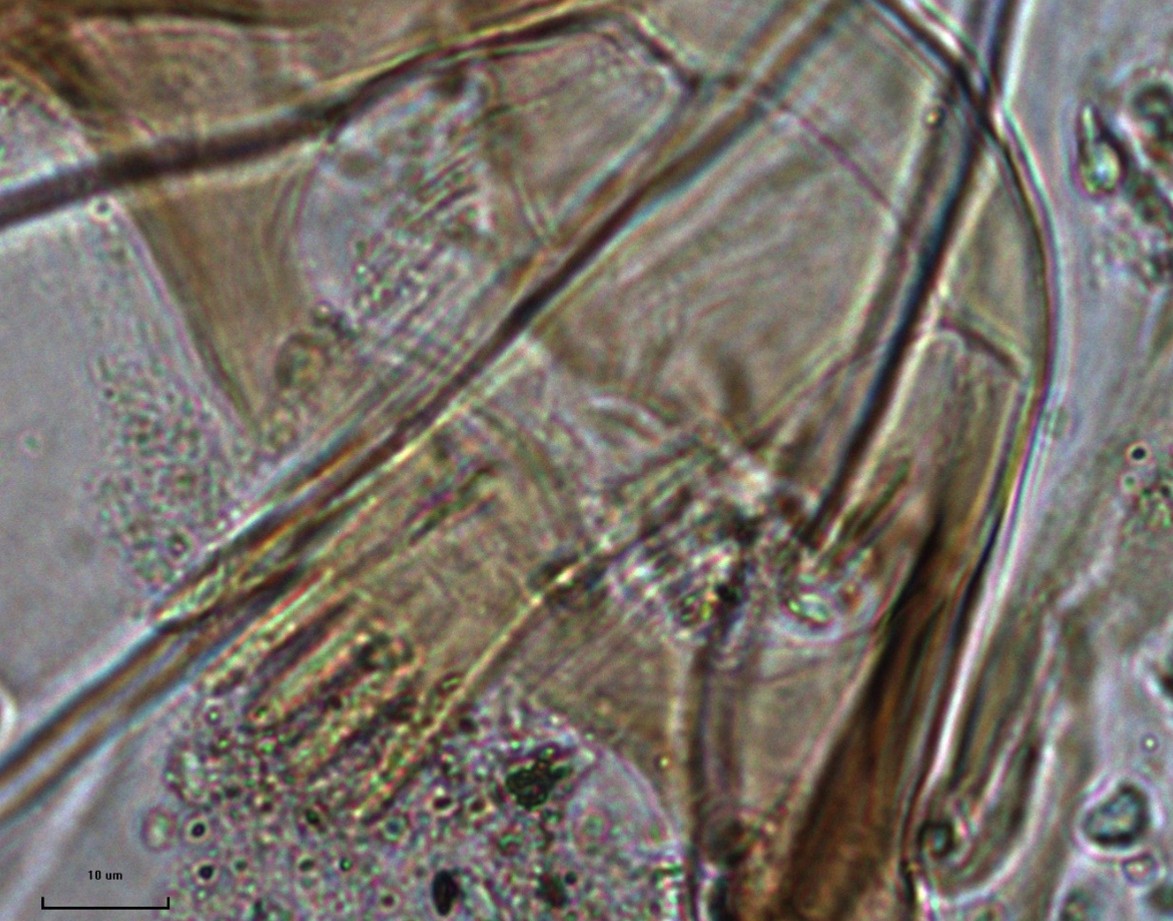
Figure 3. The paraligula is almost the length of the ligula and is made up of many elongated teeth.
Download Image -
4/6
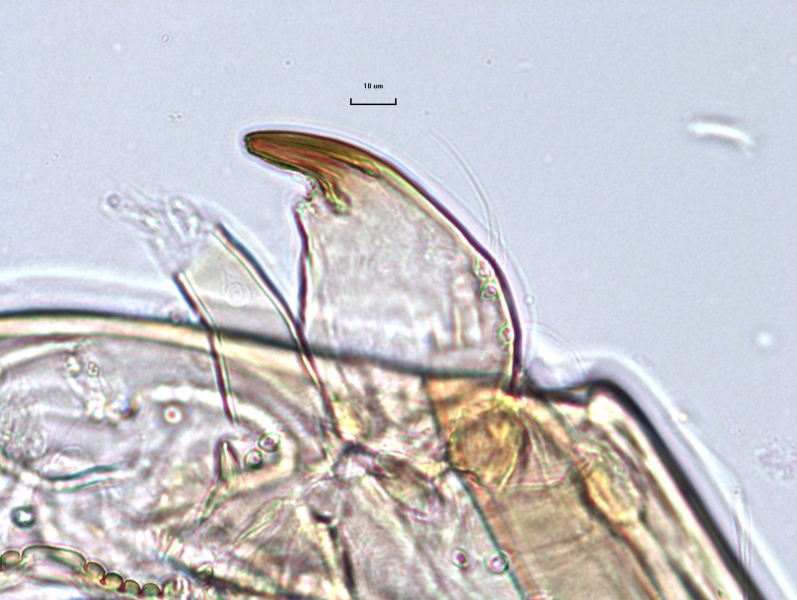
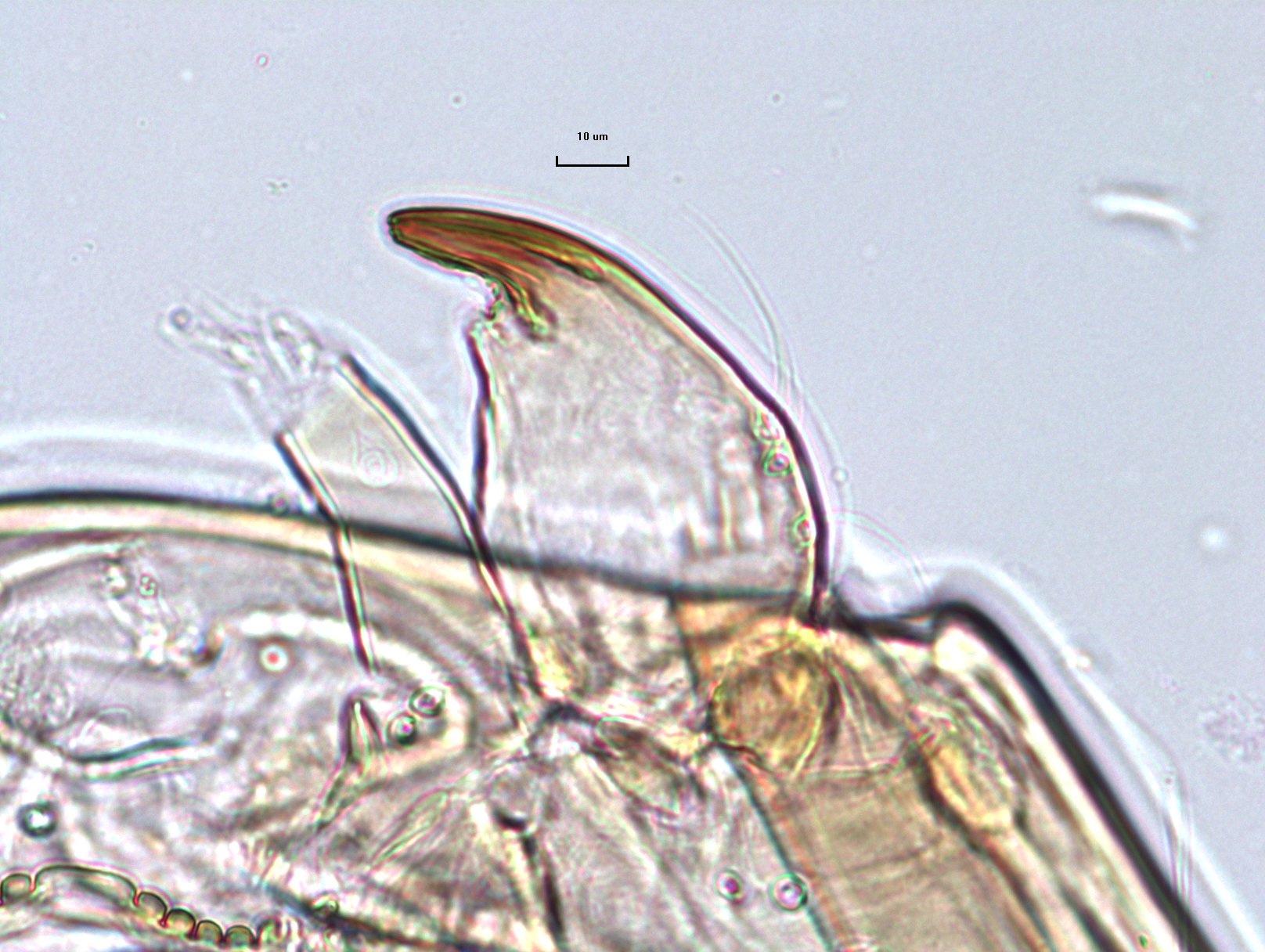
Figure 4. The mandible has a stout base, making the apical tooth appear small in comparison.
Download Image -
5/6
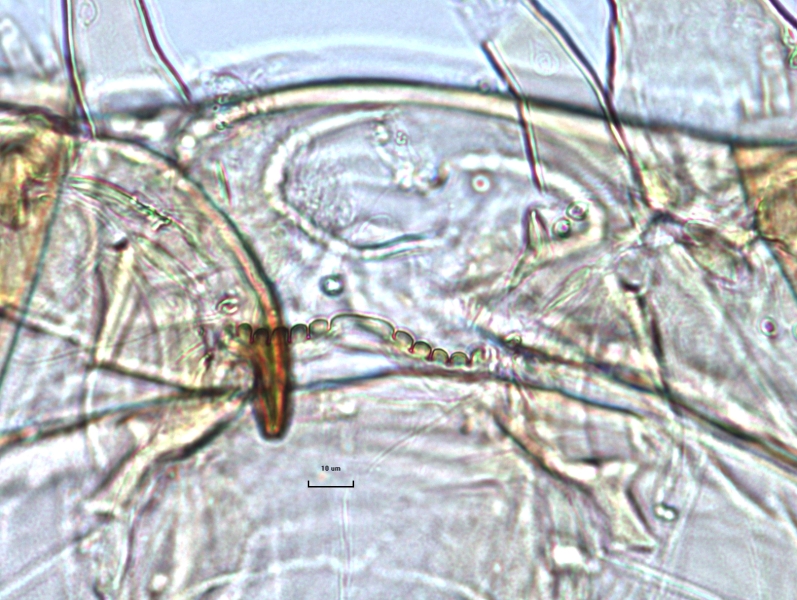
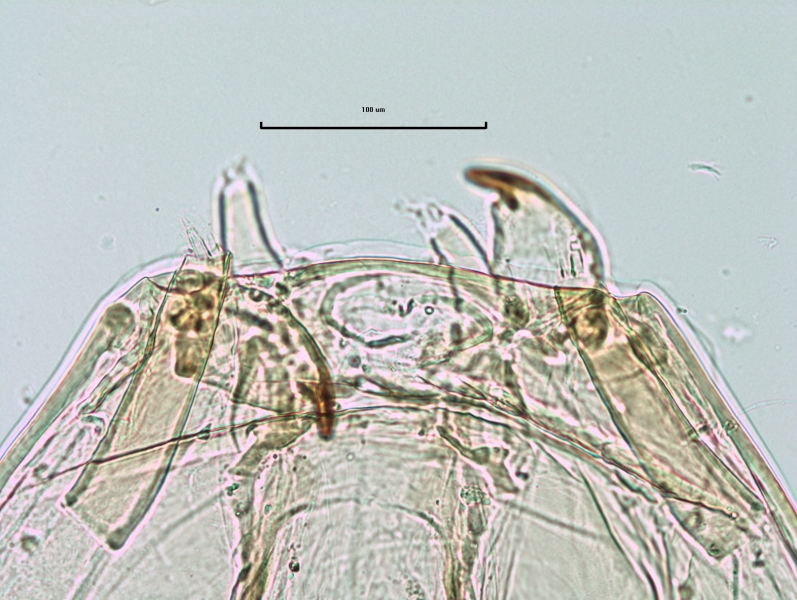
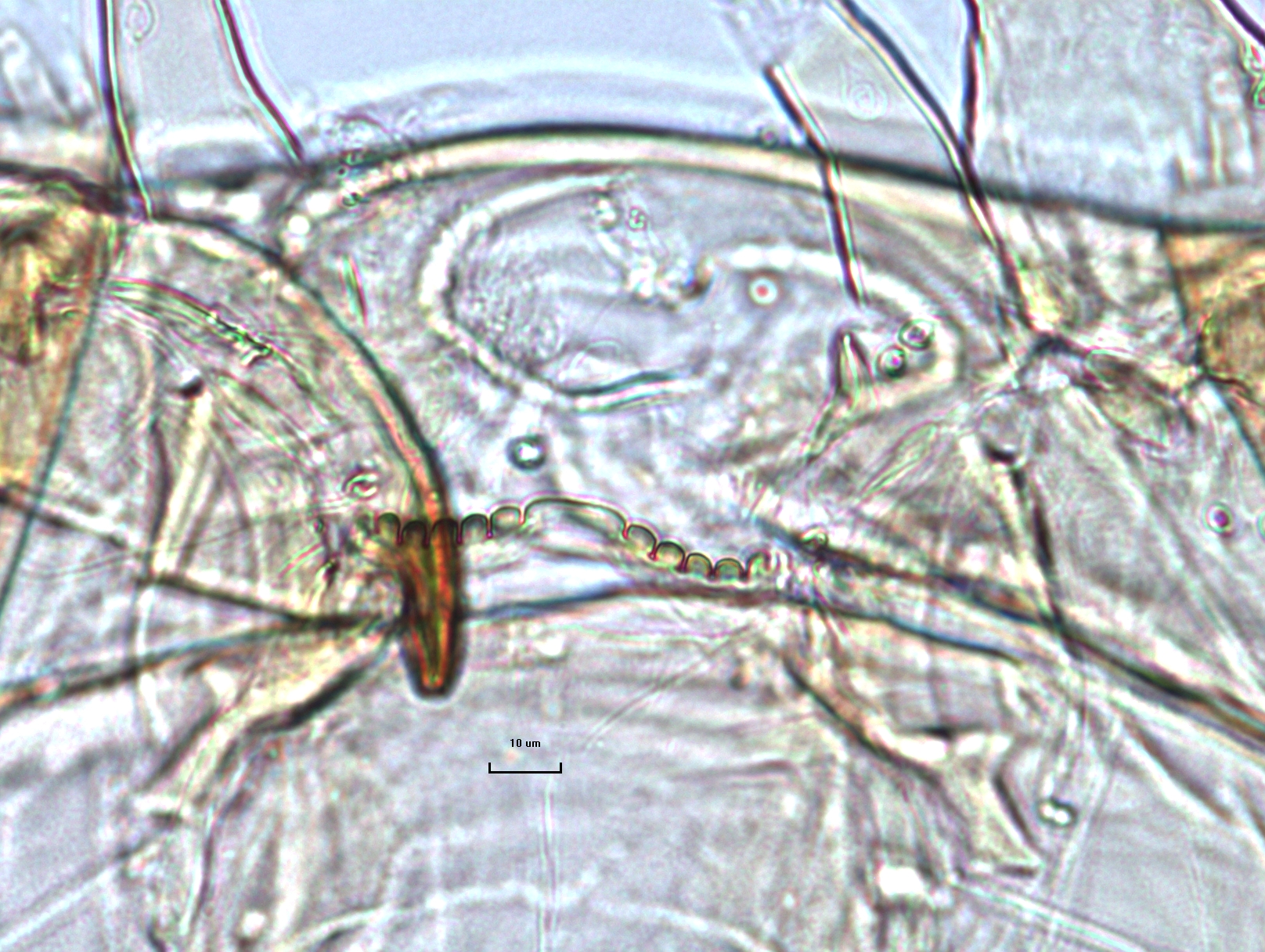
Figure 5. The M appendage has a broad, flat central tooth, with a concave arrangement of dorsomental teeth on each side of the middle. (Tanypus concavus)
Download Image -
Tanypus sp.
Taxa description
Tanypus sp. Meigen, 1803 is a genus of freshwater chironomid belonging to the Tanypodinae subfamily. This genus shows no close relationship to the other Tanypodinae genera, and therefore is in a monotypic tribe Tanypodini. The main characteristics differentiating it include the transverse dorsalmental plates with a concave arrangement of teeth on each side of the middle (Figure 5). Tanypus sp. larvae have a mandible with a stout base, making the apical tooth appear small in comparison (Figure 4). They lack a pseudoradula and have a reduced pecten hypopharyngis. The ligula has five teeth that are even in length, and the paraligula has 5-14 elongated teeth.
Distinguishing features
Tanypus spp. can be distinguished by its uniquely long, narrow ligula, and the large, multi-toothed paraligula. The ligula is pale in color with five teeth that are even in length (Figure 2). The paraligula is very large, nearly the full length of the ligula itself. The paraligula has at least eight, but often many more elongated teeth, making the paraligula a unique feature.
Habitat
Tanypus sp. typically live in sediments of standing or slowly moving waters, especially in temperate to warm regions, and they can tolerate high nutrient and salinity levels.
Lake occurrence
This genus has been found in Erie, Huron, Michigan, and Ontario. There are two species listed in the Water Life database; T. neopunctipennis which is found in lakes Huron and Erie, and T. punctipennis which has been reported from lakes Huron and Ontario (NOAA and US EPA 2019). The genus has also been reported from Lake Michigan.
Similar species
Relative size
Tanypus sp. larvae are large, reaching 10-12 mm in length.
Does it have a barcode reference from the Great Lakes?
References
Andersen, T., P.S. Cranston, and J.H. Epler. 2013. The larvae of the Chironomidae (Diptera) of the Holarctic Region. Insect Systematics & Evolution, Supplement No 66.
Epler, J.H. 2001. Identification manual for the larval Chironomidae (Diptera) of North and South Carolina.
NOAA and US EPA. 2019 Great Lakes Waterlife. Accessed on 06/05/2026.
Occurrence in scientific literature
Judd, W.W. 1955. A study of the population of insects emerging as adults from the Dundas Marsh, Hamilton, Ontario, during 1948. Am. Midland Nat. 49:801-824.
Nalepa, T.F., D.L. Fanslow, M.B. Lansing, and G. Lang. 2002. Abundance, biomass, and species composition of benthic macroinvertebrate populations in Saginaw Bay, Lake Huron, 1987-96. Great Lakes Environmental Research Lab, Ann Arbor, MI, tech memo. GLERL-122.
Patrick Hudson collection records.