

Tubifex ignotus
-
1/9
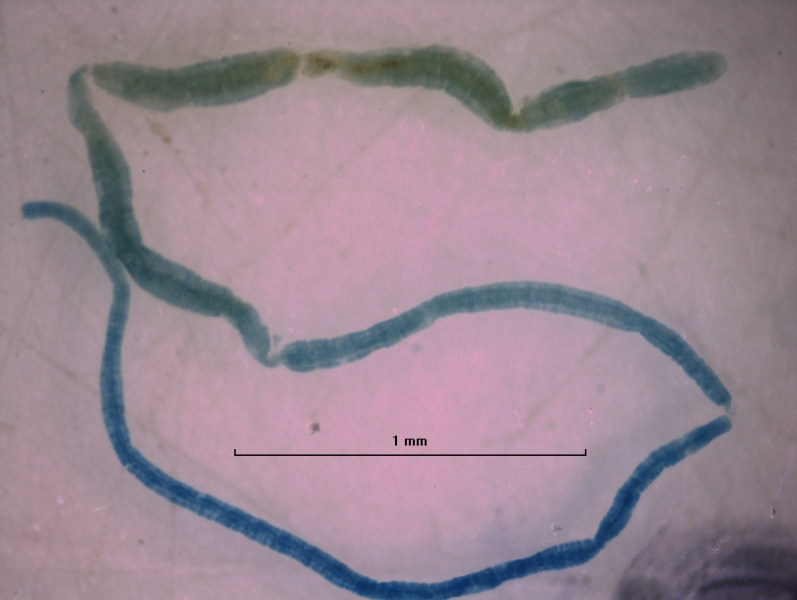
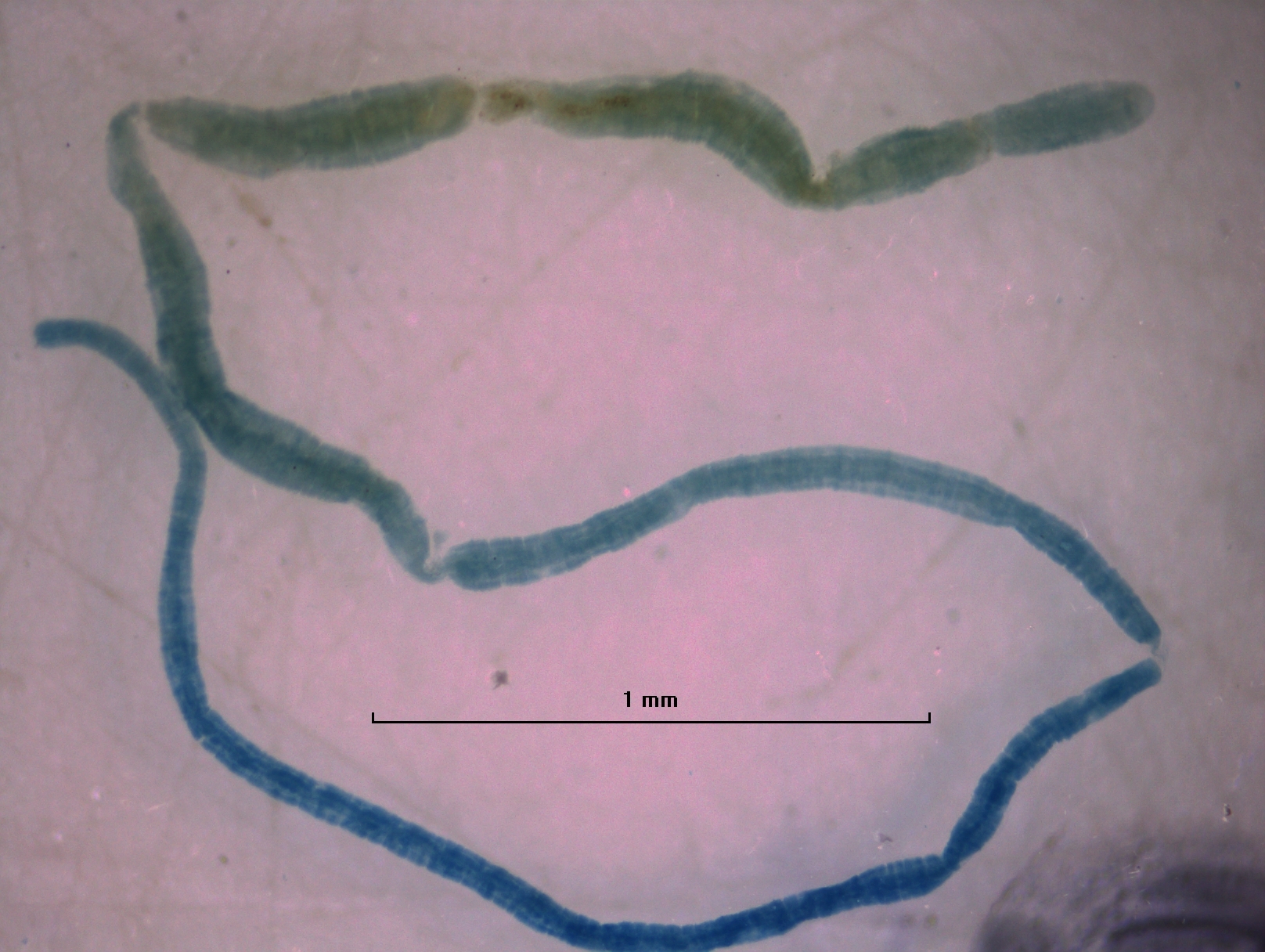
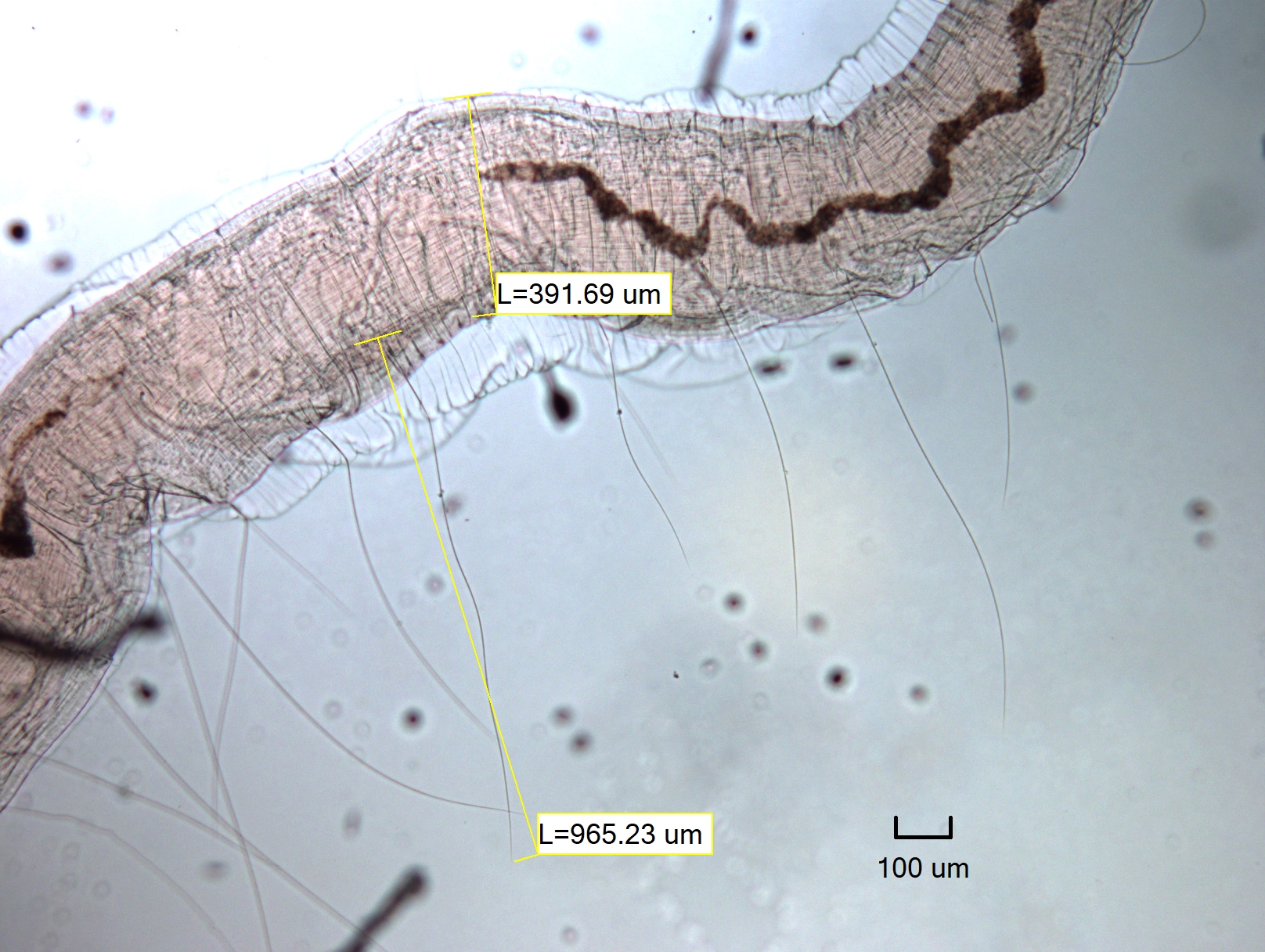
Figure 1. Tubifex ignotus is an extremely long and thin oligochaete. This specimen is roughly 7 mm long.
Download Image -
2/9
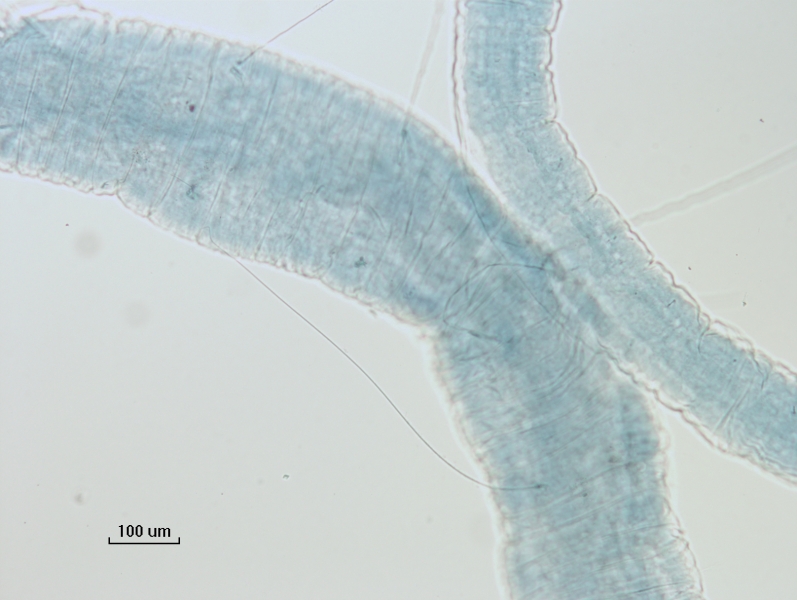
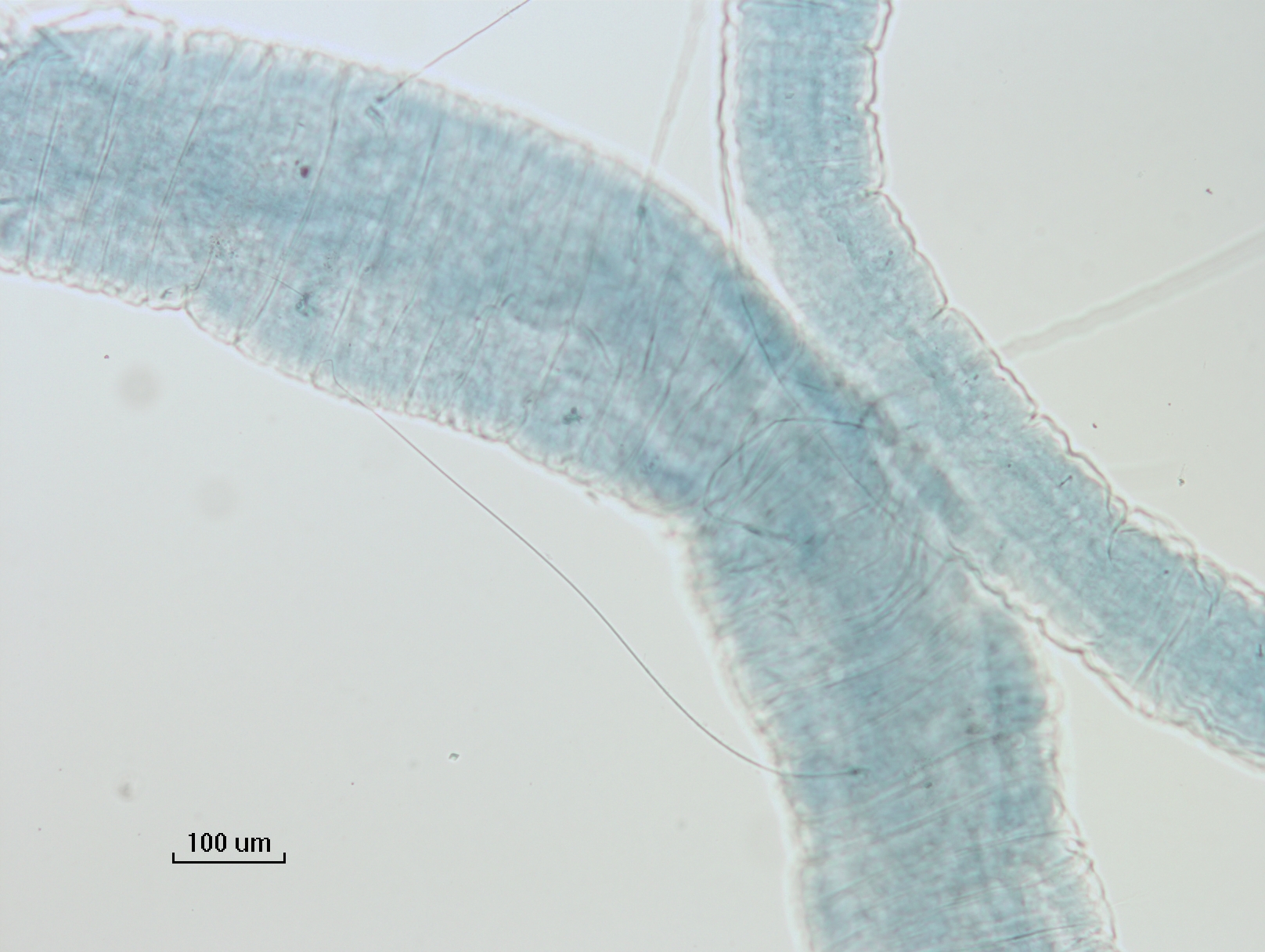
Figure 2. Some elongated hairs in posterior bundles, with broken crochet chaetae and ventral chaetae. Sometimes many of the hairs are broken and missing, but the body thickness and length can be a clue to species identification. The skin is often wrinkled.
Download Image -
3/9
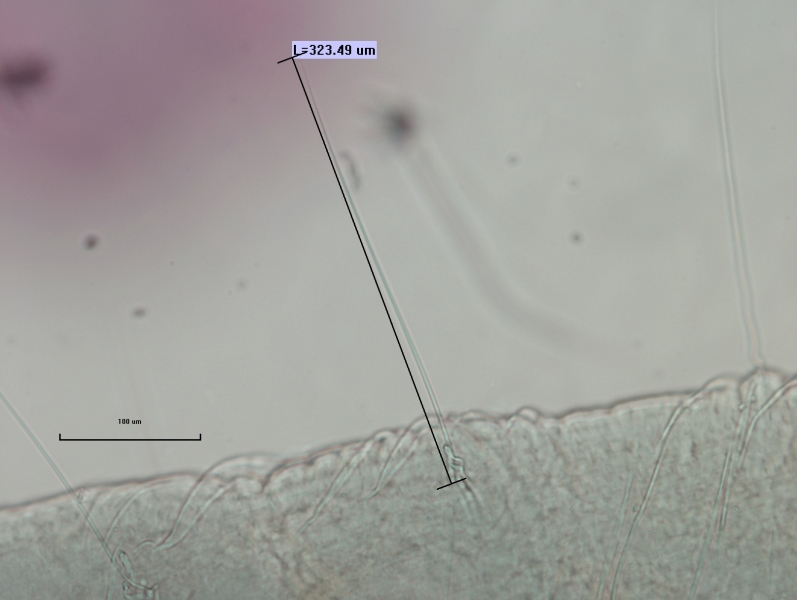
Figure 3. The anterior hairs may be similar to other tubificids with hair and not elongated.
Download Image -
4/9
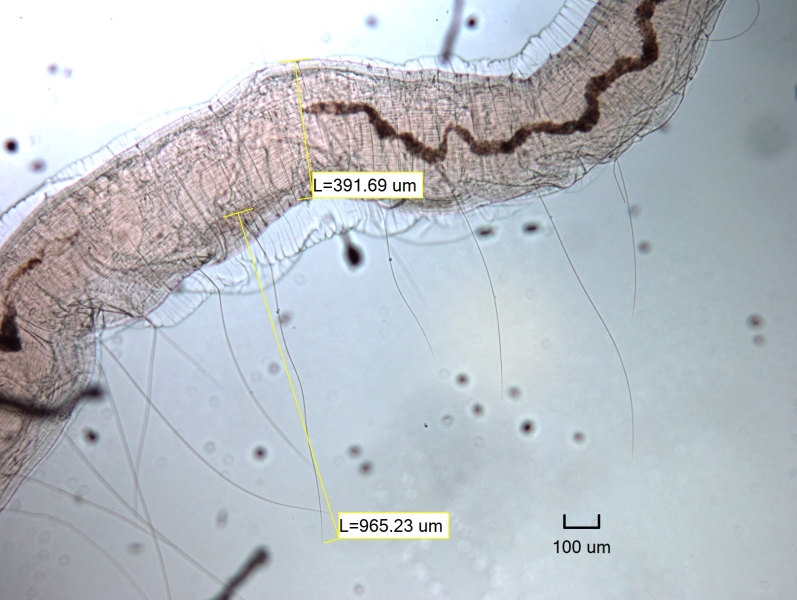
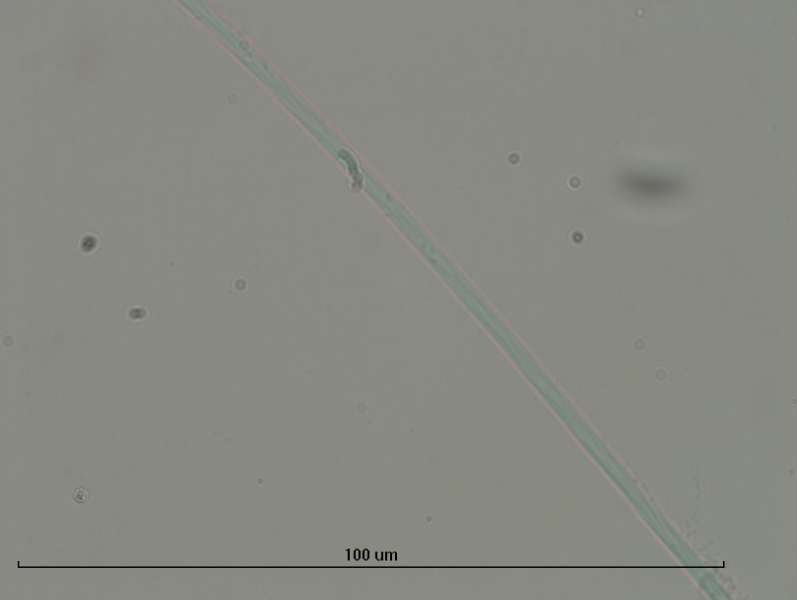
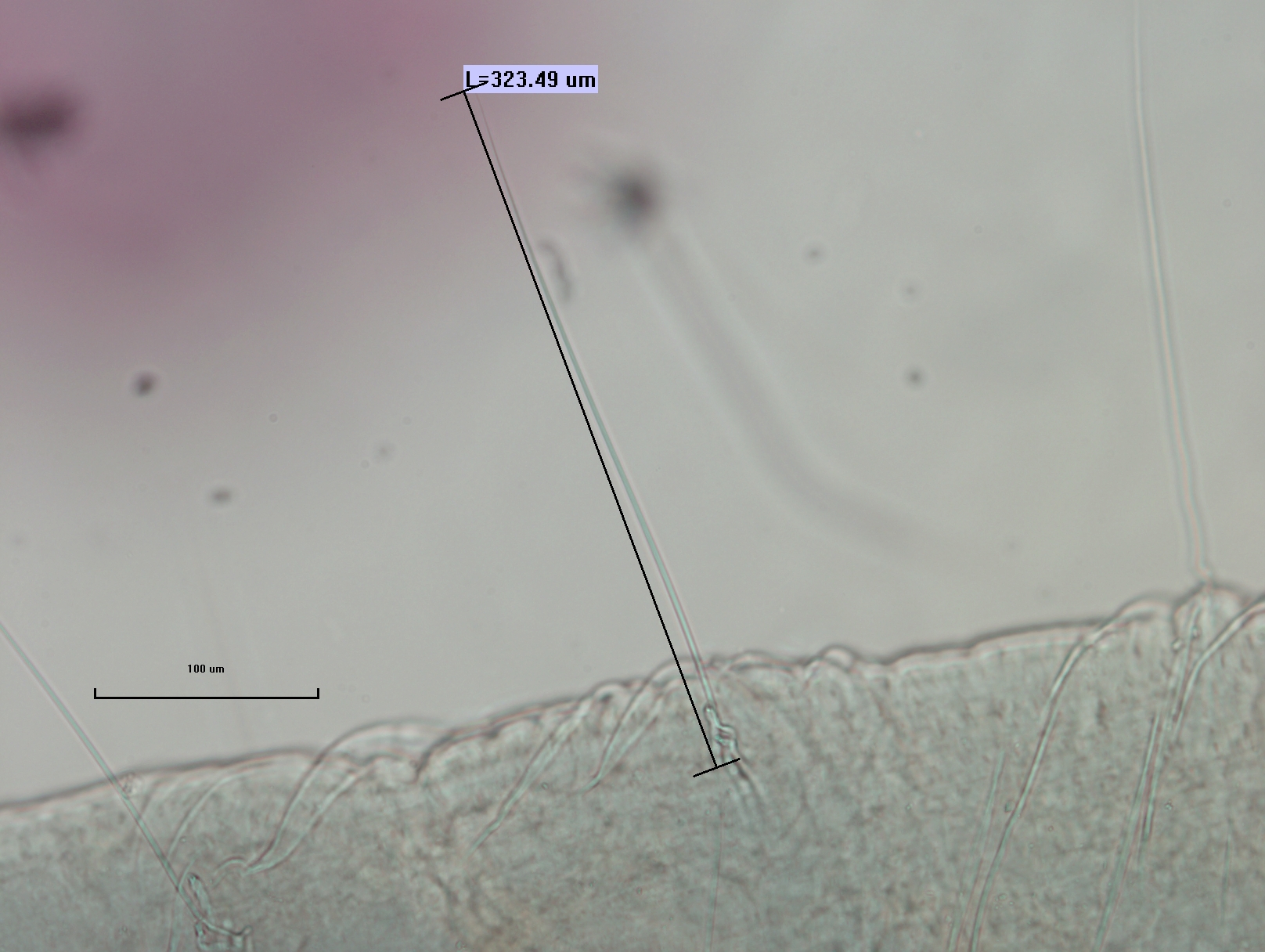
Figure 4. Posteriad to X, the hairs are usually elongated if they are present, being 2-3 times as long as the diameter of the worm.
Download Image -
5/9
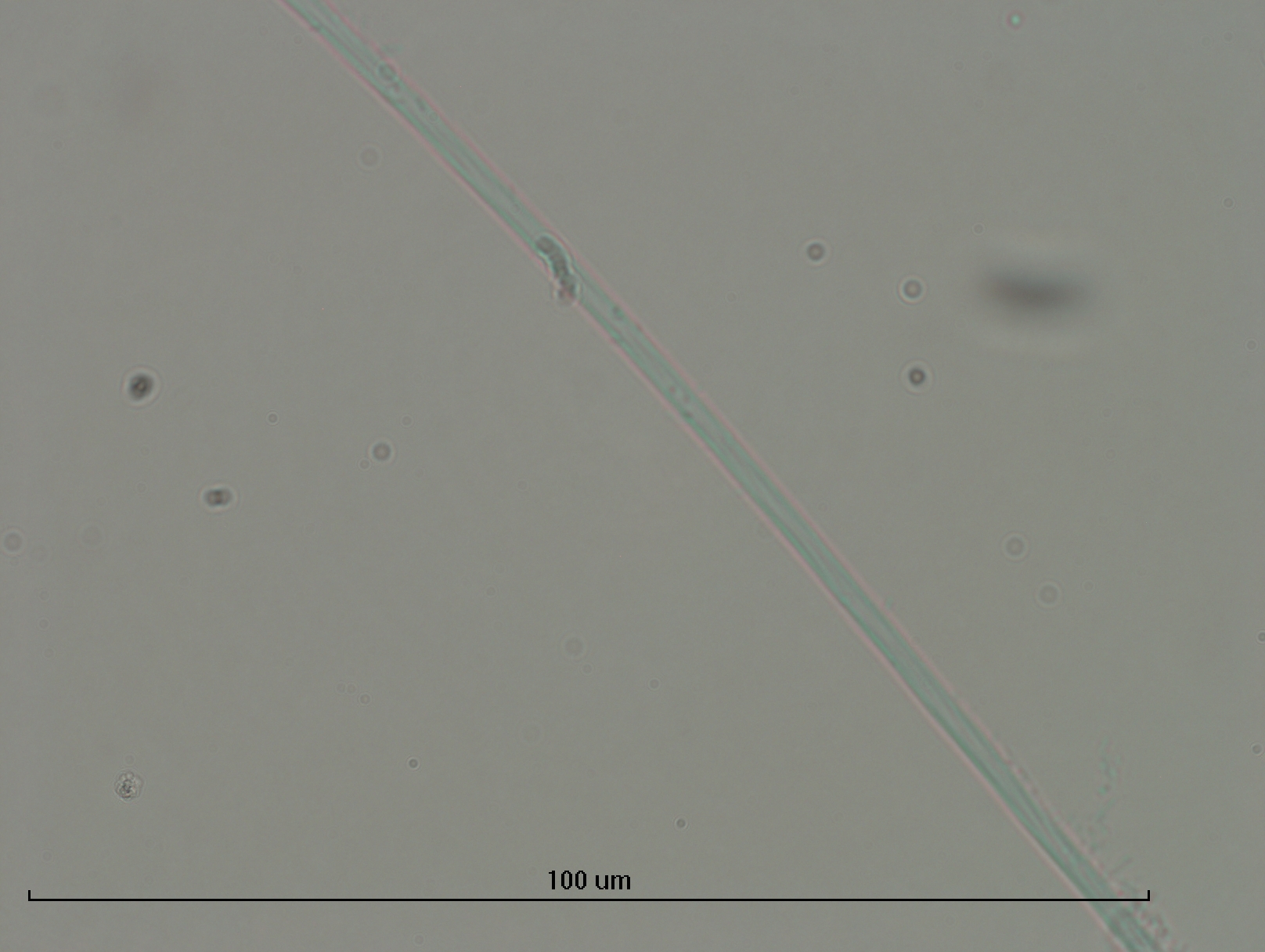
Figure 5. The hairs are hispid, meaning that they have serrations or filaments coming off them.
Download Image -
6/9
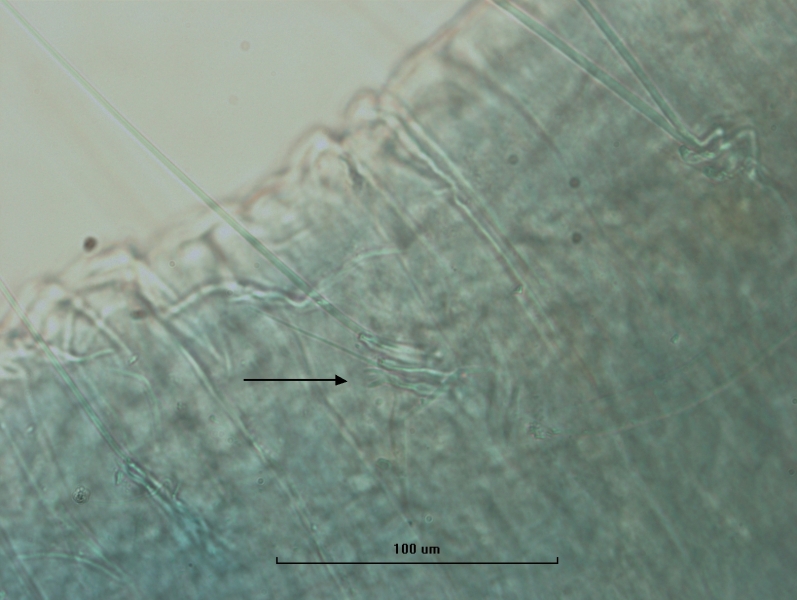
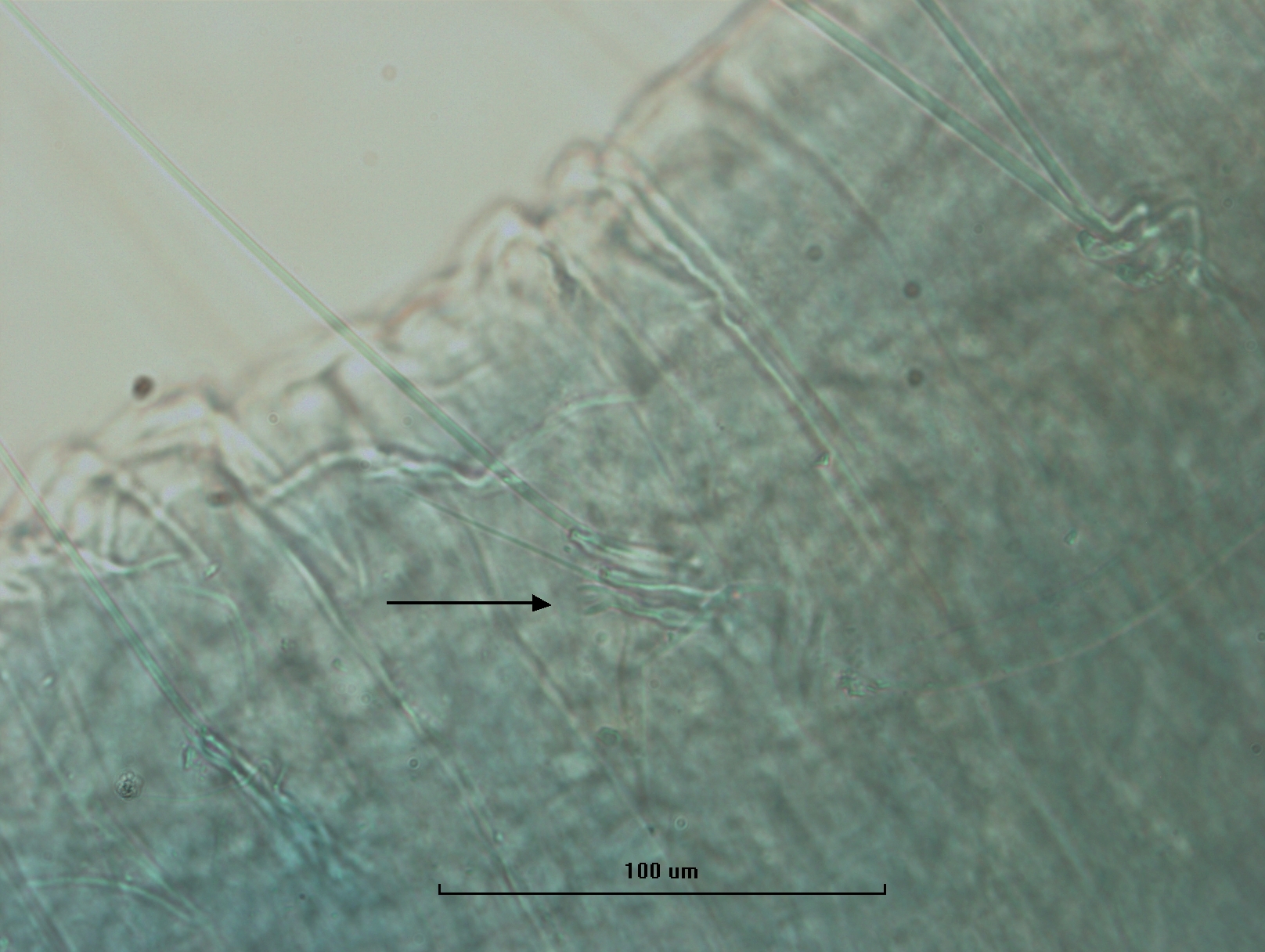
Figure 6. The dorsal bundles contain 1–3 U-shaped pectinate chaetae and elongate, hispid hairs.
Download Image -
7/9
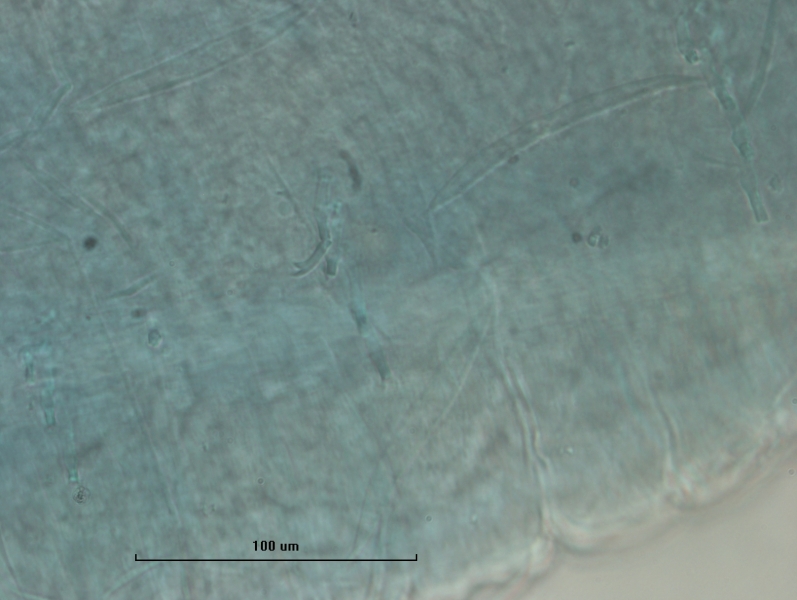
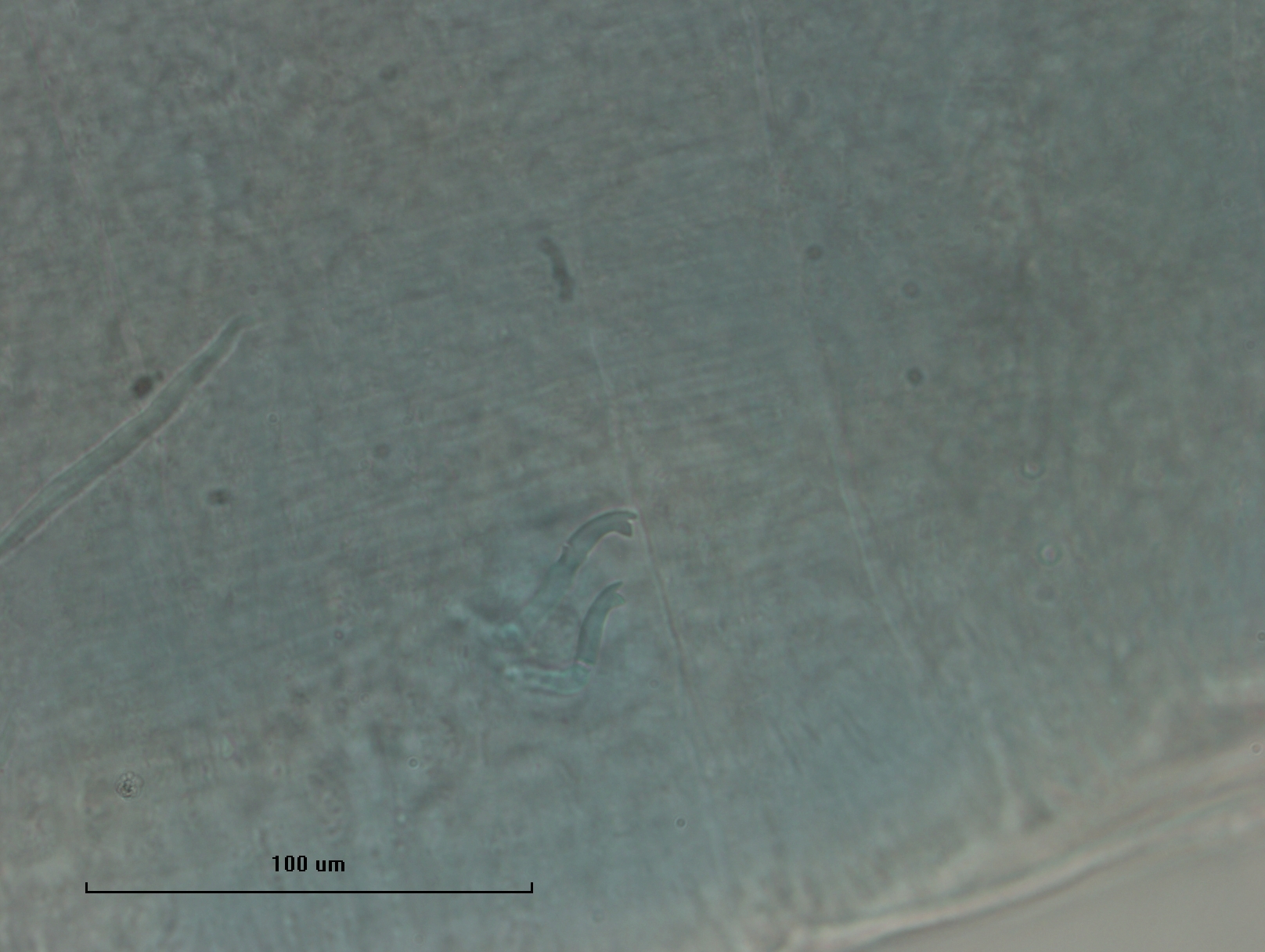
Figure 7. Anterior ventral bundles contain 3–5 chaetae with the upper tooth longer and thinner than the lower. Many of the chaetae may be broken.
Download Image -
8/9
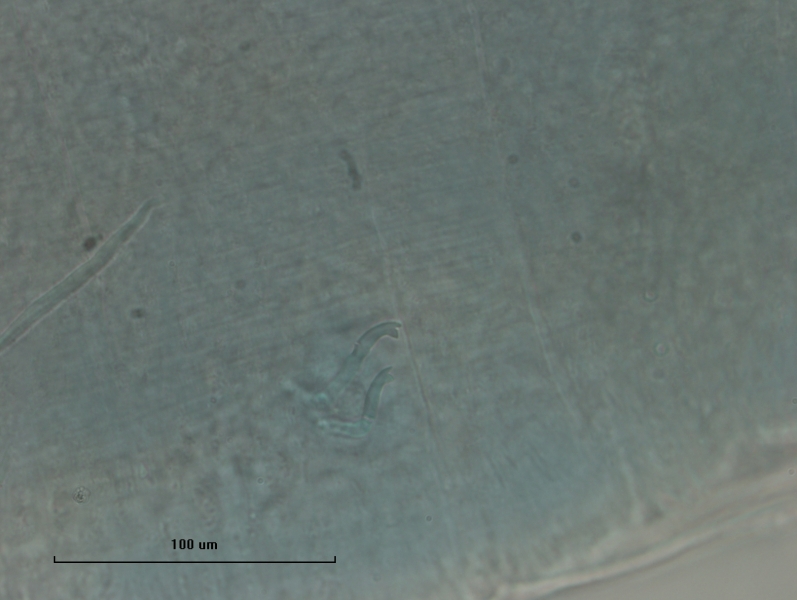
Figure 8. Posterior ventral bundles contain 2 chaetae with the upper tooth as long as (or shorter than) the lower tooth.
Download Image -
9/9
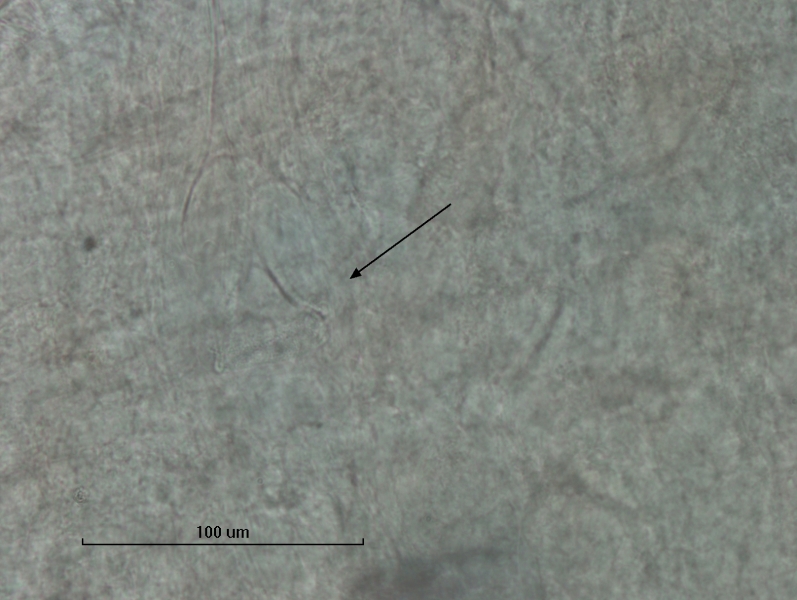
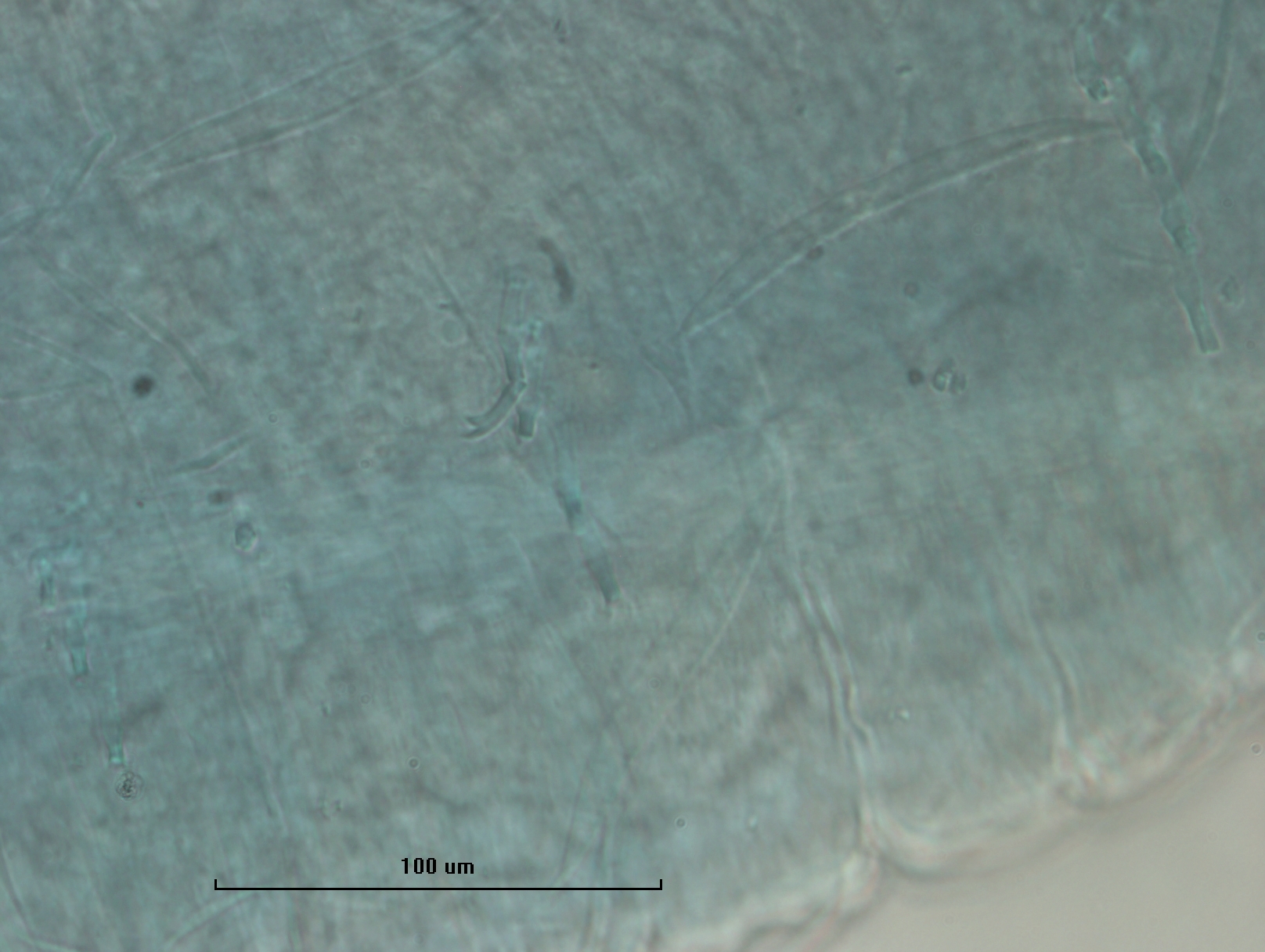
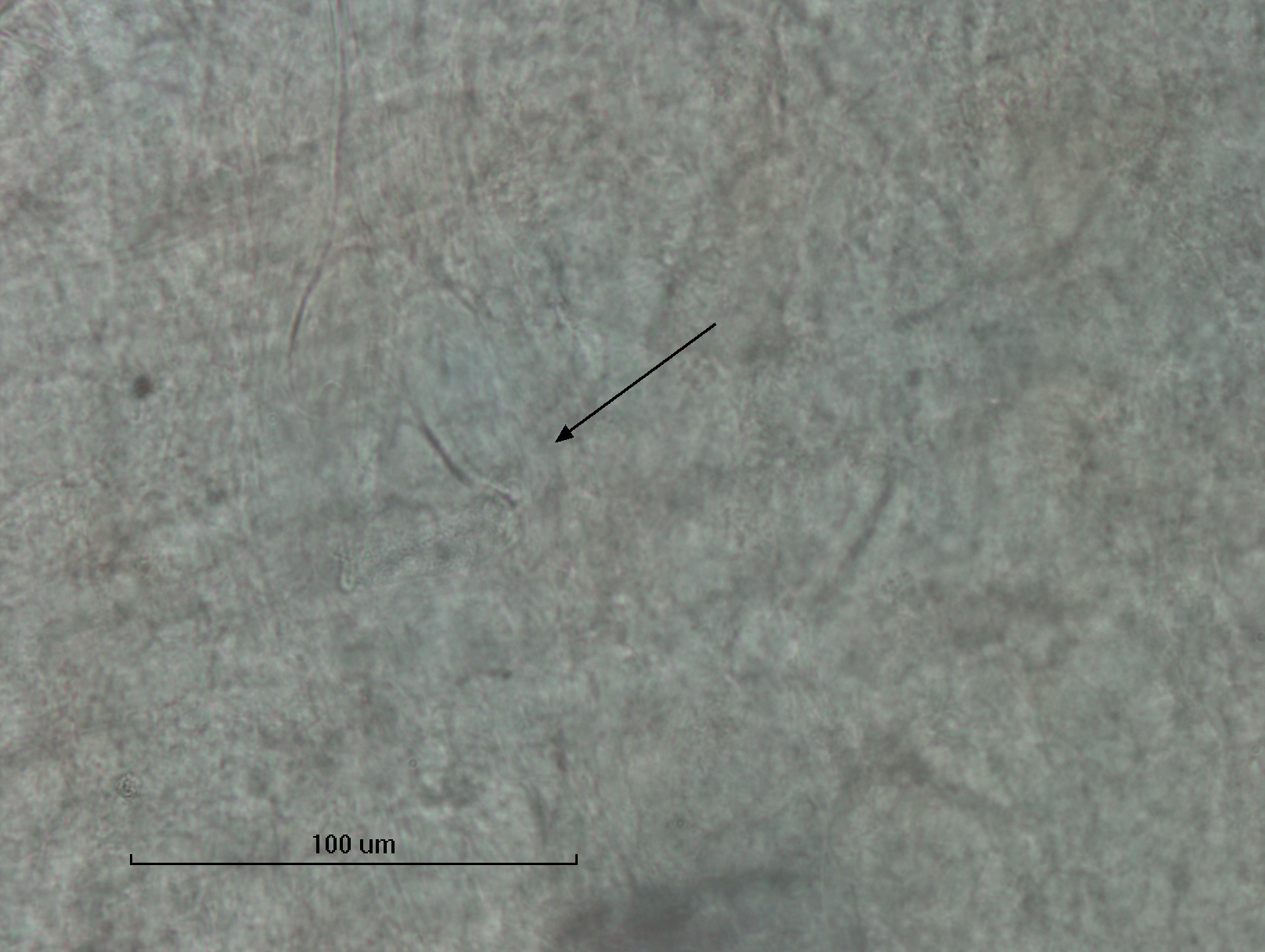
Figure 9. When mature, the penis sheaths are inconspicuous, small and tub-shaped. This one also appears granular.
Download Image
Tubifex ignotus
Taxa description
Tubifex ignotus (Štolc, 1886) is a freshwater oligochaete worm that is uncommon in the Great Lakes. It is a tubificid worm that has dorsal bundles with hairs and pectinate chaetae and bifid ventral chaetae beginning in II. This species is a long, thin worm compared with many other tubificids. There are 1–3 U-shaped pectinate chaetae and elongate, hispid hairs in the dorsal bundles; the hair chaetae, especially posteriad to X, are often 2–3 times longer than the diameter of segments. Anterior ventral bundles contain 3–5 chaetae with the upper tooth longer and thinner than the lower, and 2 chaetae posteriorly with the upper tooth as long as the lower tooth. The short, tub-shaped penis sheaths are inconspicuous.
Distinguishing features
T. ignotus is identified by the elongate hair chaetae 2–3 times the diameter of the segment; the long, thin shape of the worm; hispid hairs; U-shape pectinate chaetae; ventral chaetae with the upper tooth longer and thinner than the lower becoming equal in length.
Habitat
Although infrequently encountered, T. tubifex lives in harbors and river mouths in lakes. It is known from the Great Lakes, Oregon, and Alabama.
Lake occurrence
This species occurs in Lake Michigan.
Similar species
Unlike many other tubificids, T. ignotus does not need to be mature in order to be identified because of its long, thin body and elongate hair chaetae. Since it is rare, or due to fragmentation or shedding hair chaetae, it may be easily confused for an immature tubificid with hair.
T. ignotus could be confused with other members of Tubifex, although they have distinct features that help to separate them. T. tubifex has conspicuous short, tub-shaped granular penis sheaths, and the chaetae tend to be larger than T. ignotus. T. nerthus is a coastal species that is mainly known for having anterior ventral chaetae with the upper tooth twice as long as the reduced lower tooth. Tasserkidrilus americanus, T. superiorensis, and Ilyodrilus templetoni are all oligochaetes with hairs and pectinate chaetae, and long, conical penis sheaths.
Relative size
T. ignotus is a large freshwater oligochaete that is especially long and thin.
Does it have a barcode reference from the Great Lakes?
No, this species does not yet have a barcode reference from the Great Lakes.
References
Kathman, R.D., and R.O. Brinkhurst. 1998. Guide to Freshwater Oligochaetes of North America. pp. 140–141, 112, 139, 142–145, 164–165.
Stimpson, K.S., D.J. Klemm, and J.K. Hiltunen. 1982. A Guide to the Freshwater Tubificidae (Annelida: Clitellata: Oligochaeta) of North America. pp. 22–23, 51–52.
Occurrence in scientific literature
Trebitz, A., M. Sykes, and J. Barge. 2019. A reference inventory for aquatic fauna of the Laurentian Great Lakes. Journal of Great Lakes Research, 45(6), pp.1036-1046.