

Ophidonais serpentina
-
1/6
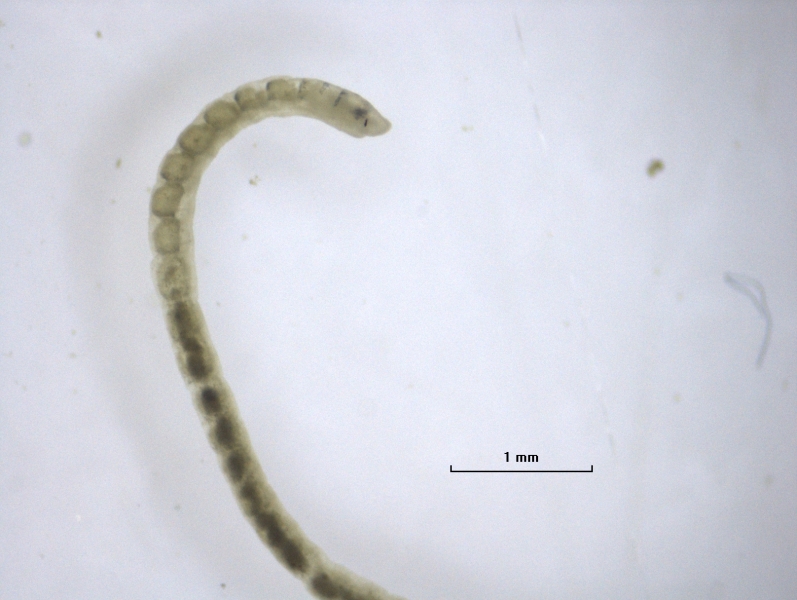
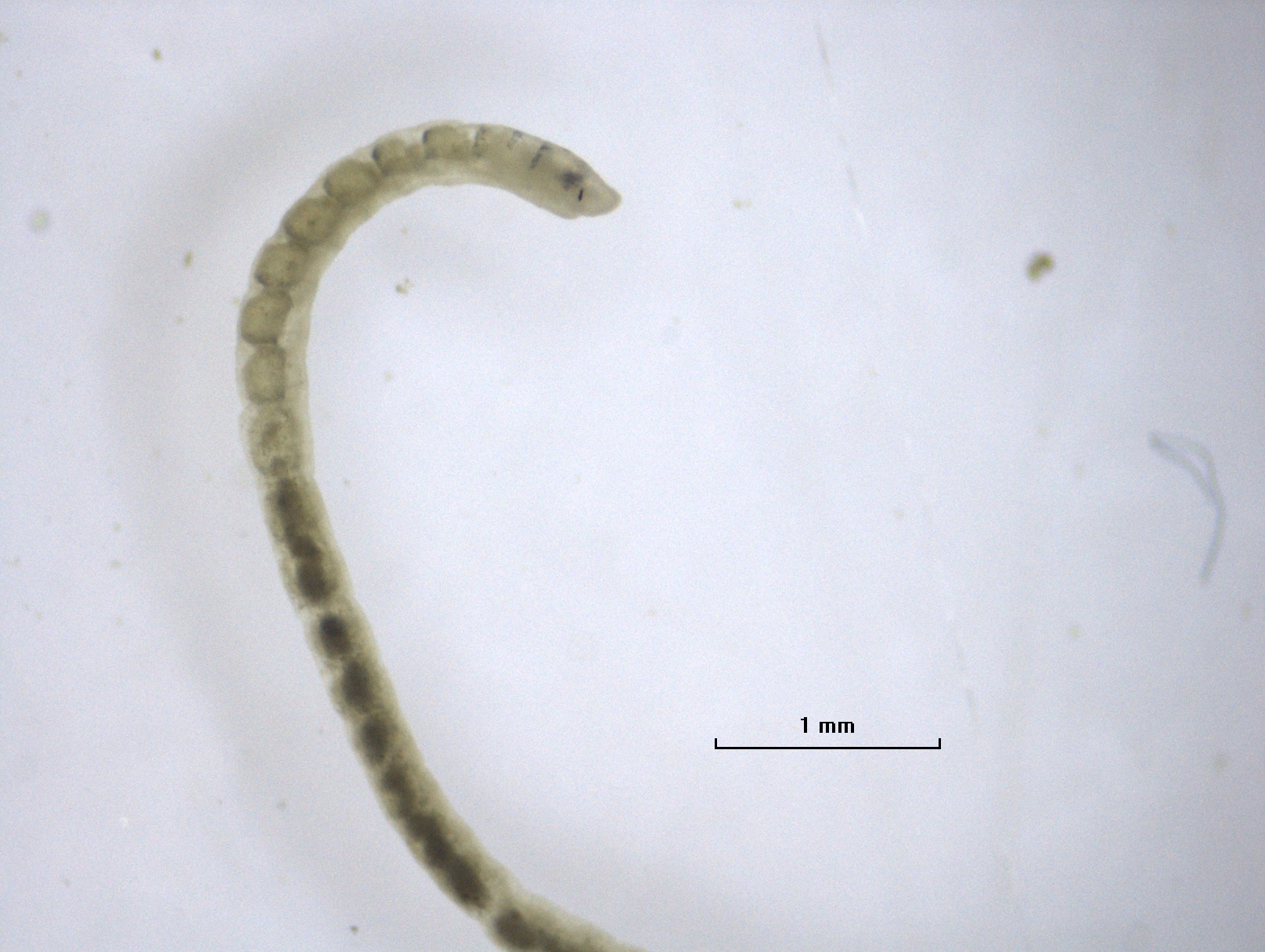
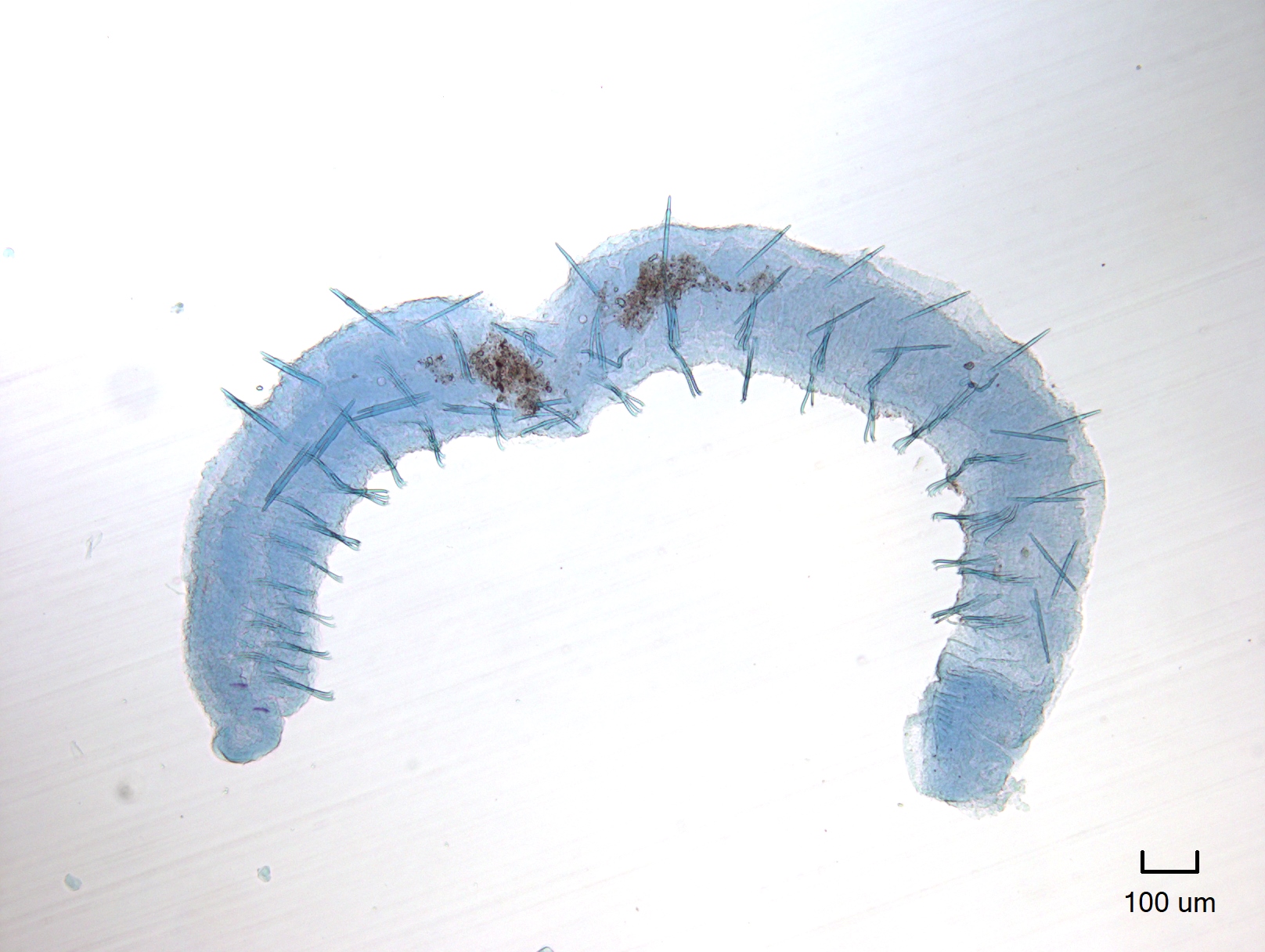
Figure 1. Ophidonais serpentina is one of the largest naidid worms. The eyes and pigment bands may be visible under dissecting microscope before mounting on a slide.
Download Image -
2/6
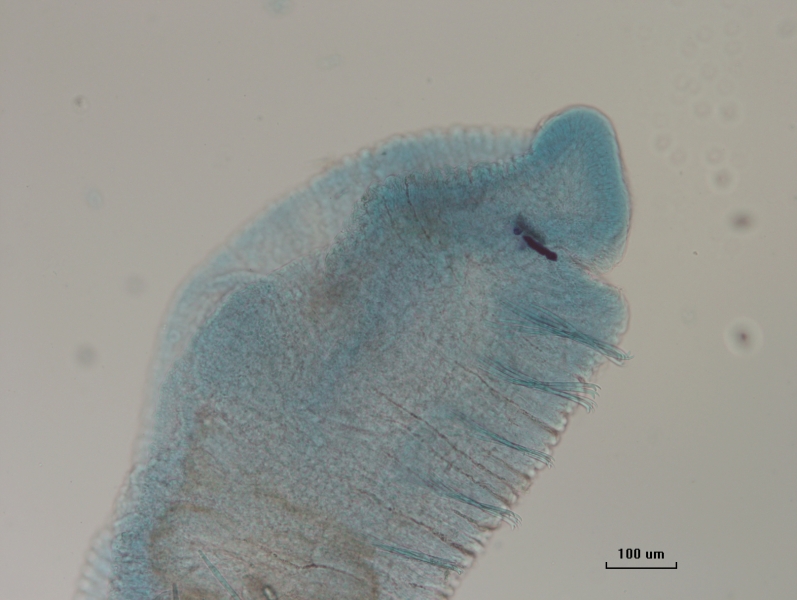
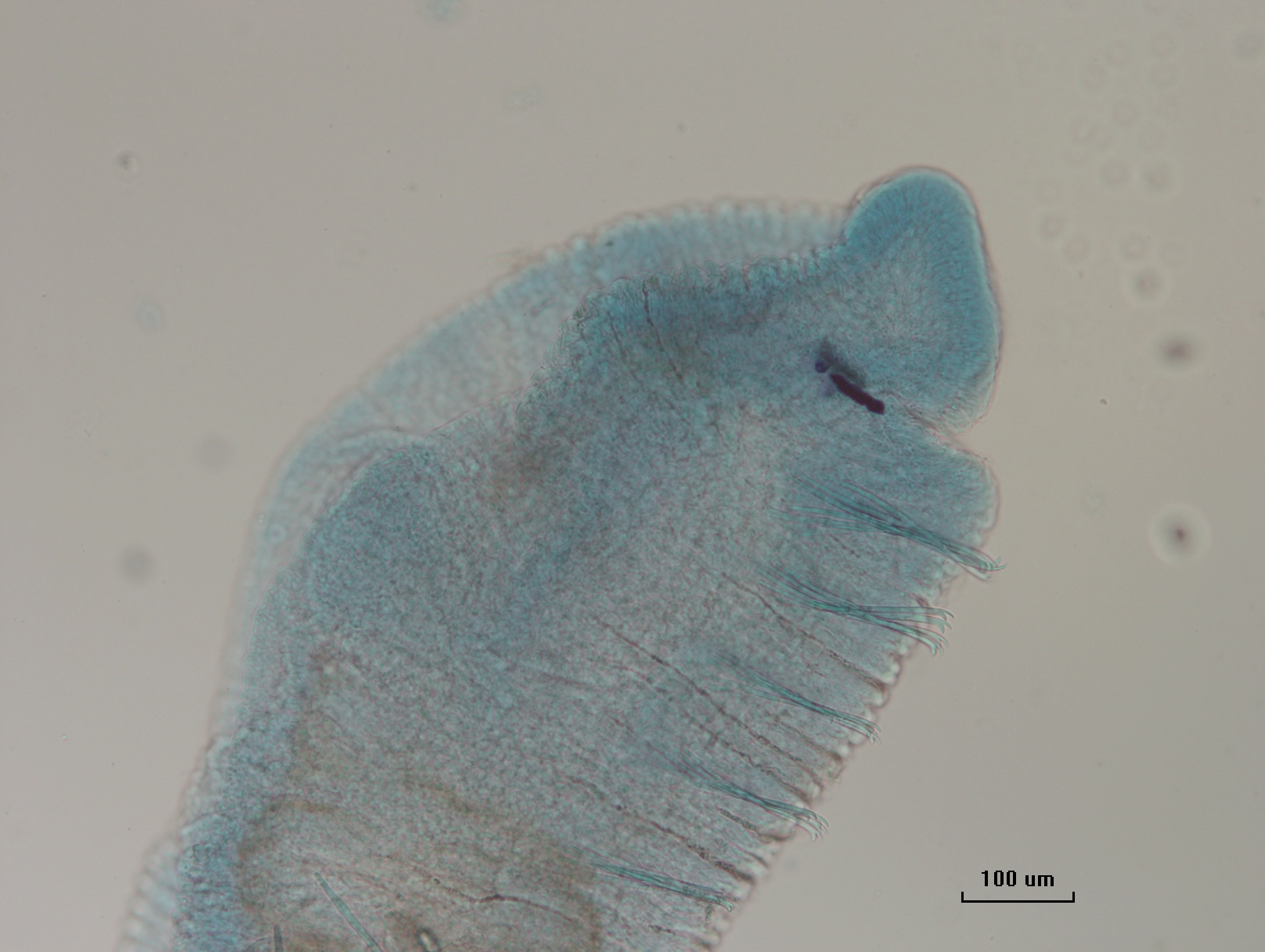
Figure 2. O. serpentina usually has prominent eyes and lacks dorsal chaetae in at least II-VI, but may be missing the large solitary dorsal chaetae in more segments.
Download Image -
3/6
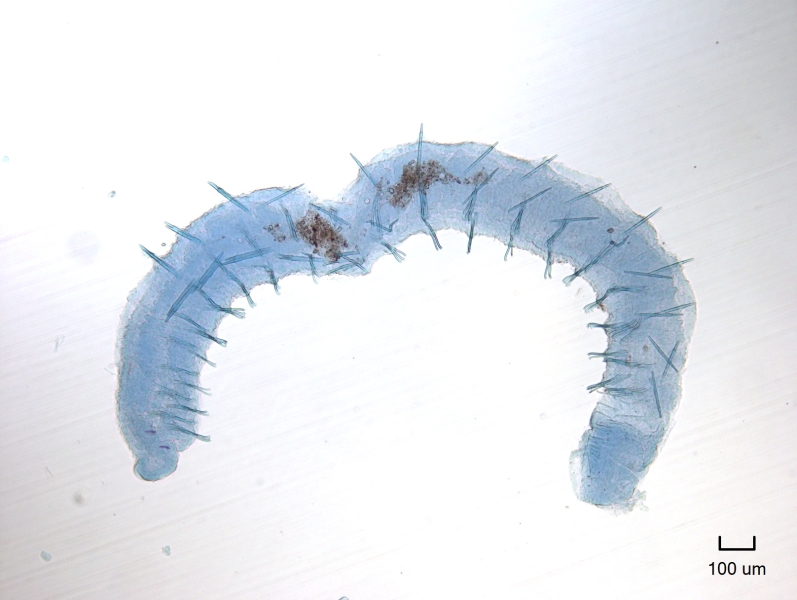
Figure 3. The thick, straight dorsal chaetae give O. serpentina a spiky overall look.
Download Image -
4/6
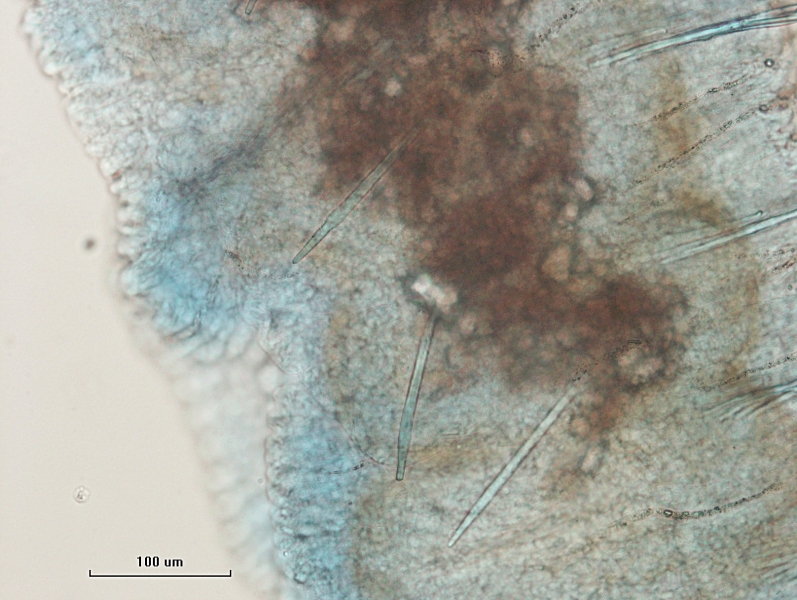
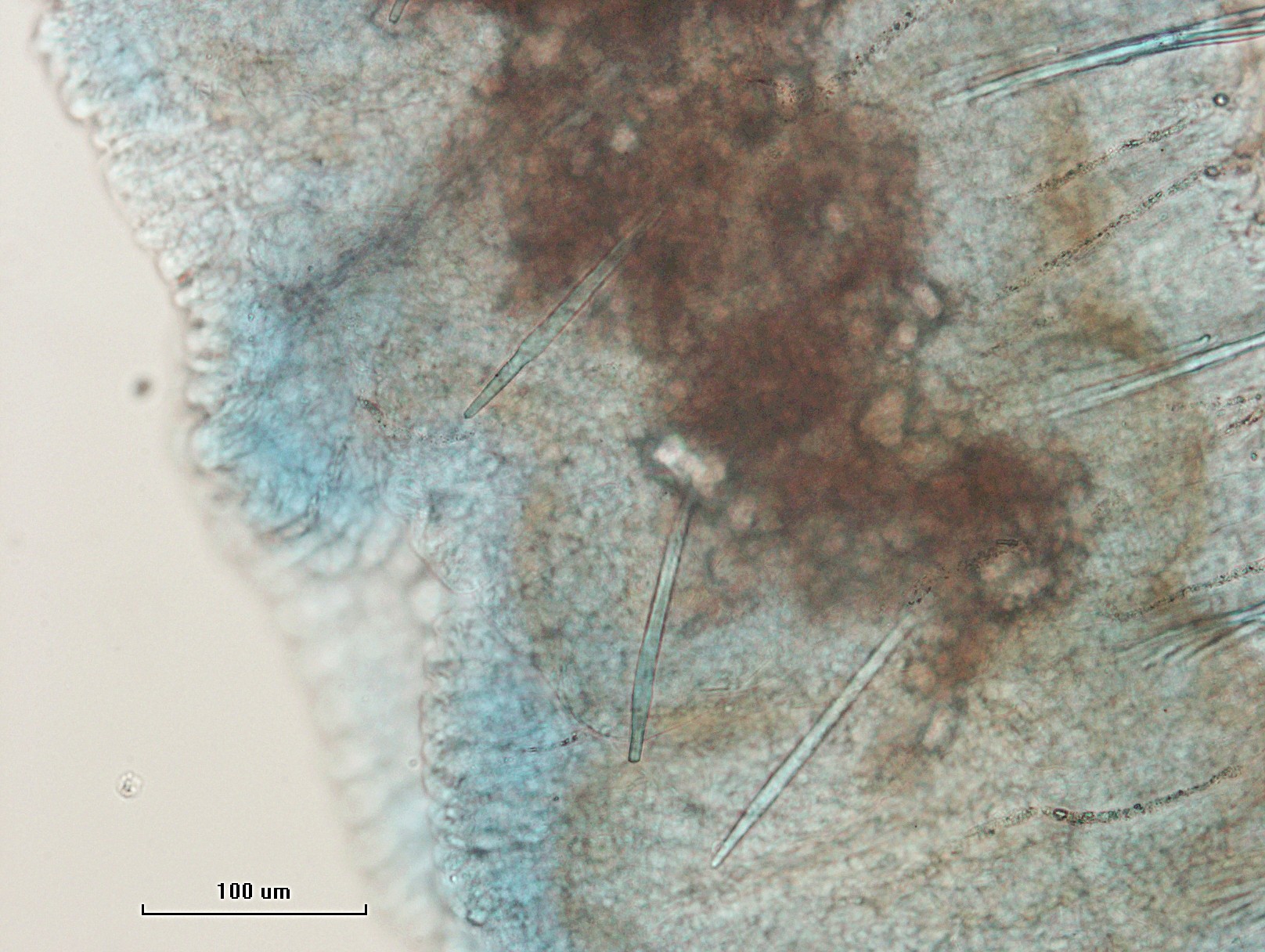
Figure 4. There is a single thick, straight needle that is faintly bifid or bluntly simple-pointed in each bundle. They may be missing from some or all dorsal bundles.
Download Image -
5/6
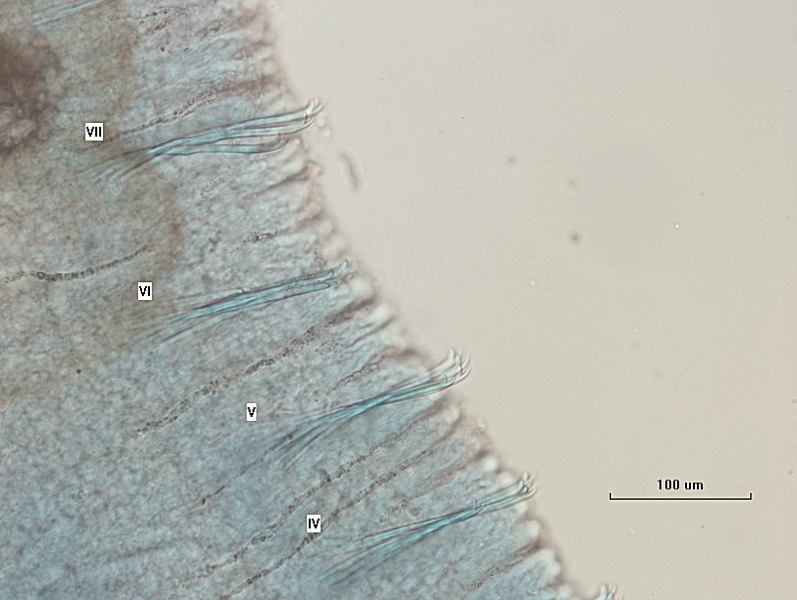
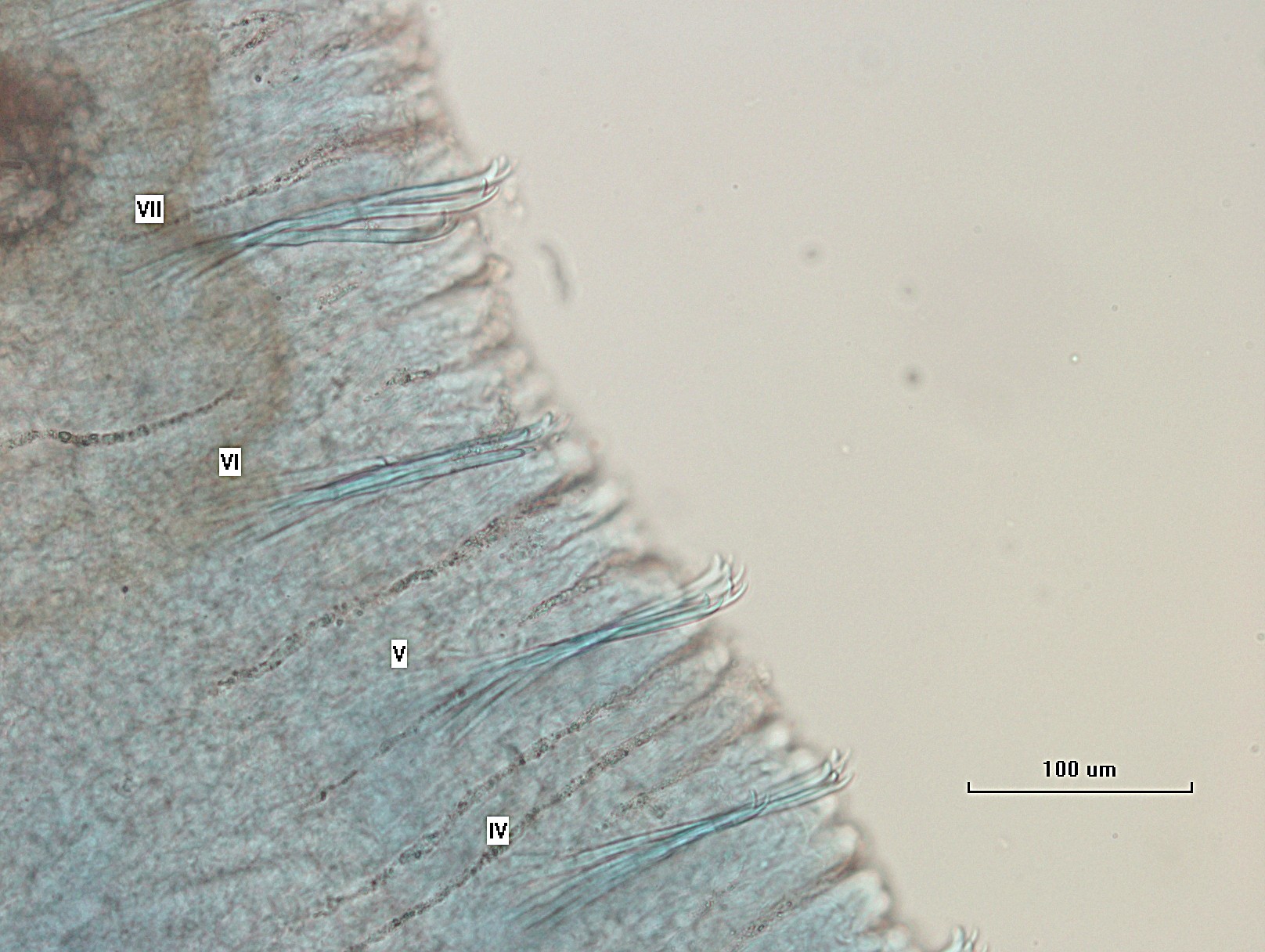
Figure 5. The ventral chaetae in II are sometimes longer than the rest, and II-V are usually slightly thinner and longer than posterior, which become shorter and thicker. There is also some papillae and foreign matter.
Download Image -
6/6
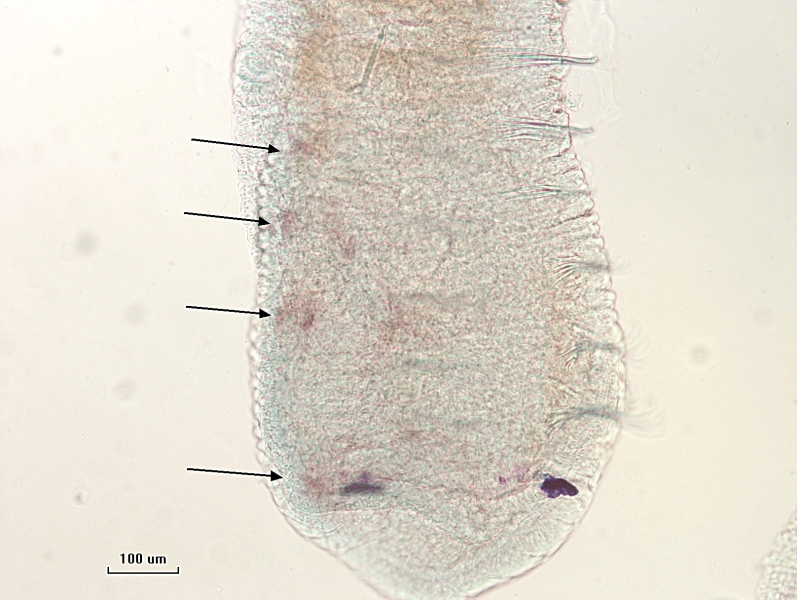
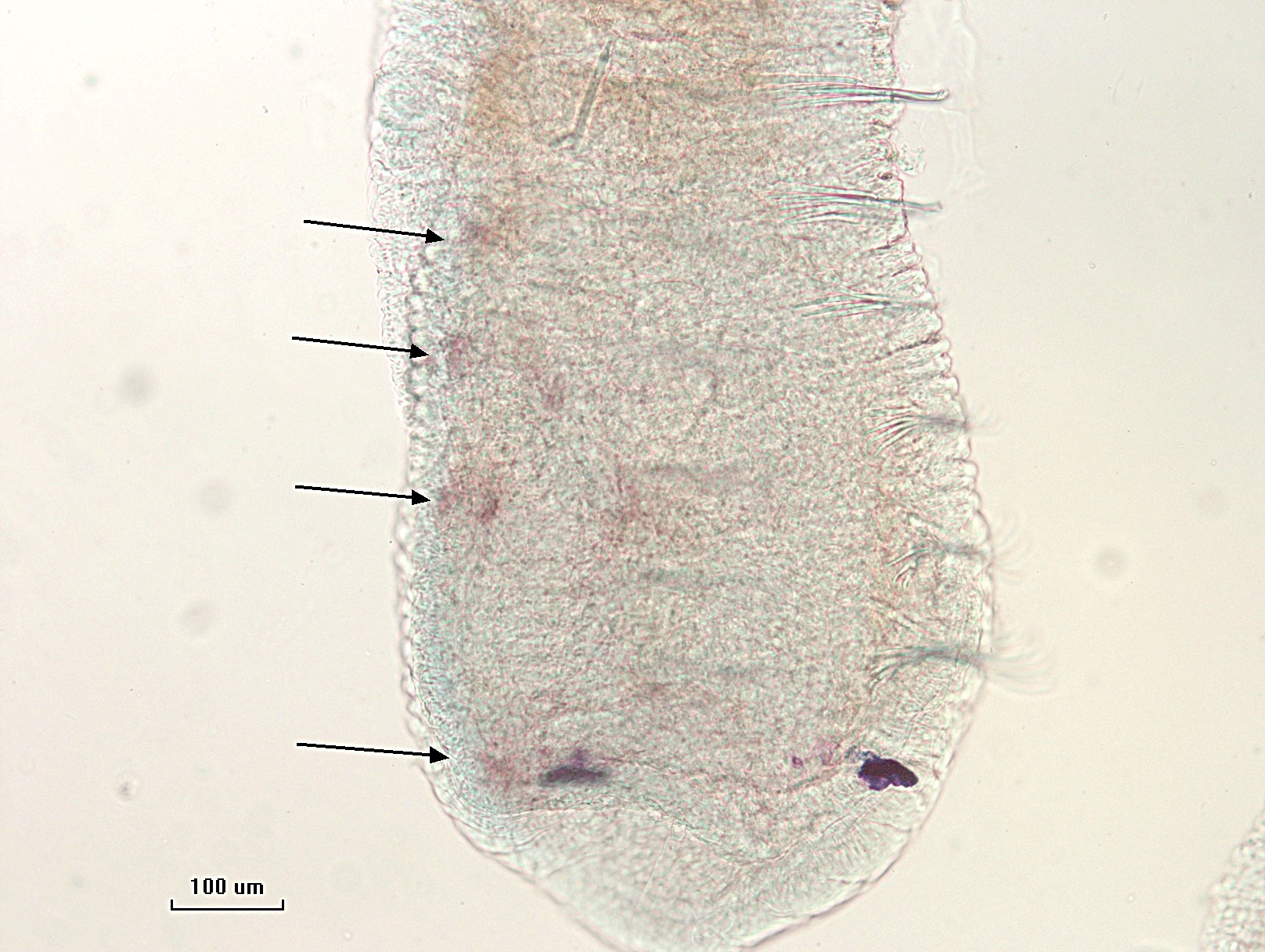
Figure 6. Once the worm is mounted, it is much harder to see the pigment bands. Occasionally, some will still be visible, like these ones (arrows).
Download Image
Ophidonais serpentina
Taxa description
Ophidonais serpentina (Müller, 1773) is a freshwater oligochaete worm that is an uncommon oligochaete in the Great Lakes. It is a naidid worm with dorsal bundles beginning in VI and ventral bundles beginning in II, no hair chaetae in the dorsal bundles, and without a proboscis. It has one very thick, bluntly simple-pointed or slightly bifid chaetae per dorsal bundle starting in VI or posterior. Ventral bundles contain 2–6 chaetae with teeth of equal length. The ventral chaetae in II are sometimes longer than the rest, and II-V are usually slightly thinner and longer than posterior, which become shorter and thicker. O. serpentina has some papillae and usually also has foreign matter. There may be 3-4 pigment stripes anteriorly, but this may not show up on mounted specimens. If mature, there are 2–3 penial chaetae per bundle with the distal end either broadened or forming a simple hook.
Distinguishing features
O. serpentina is identified by the dorsal bundles that contain a single thick, straight needle that is faintly bifid or bluntly simple-pointed, and may start posterior to VI. Ventral chaetae have teeth with equal length, and anterior chaetae (especially in II) are longer and thinner than the rest, becoming shorter and thicker posteriorly. There are scattered papillae and possibly foreign matter on the body, and O. serpentina often has eyes.
Habitat
Lake occurrence
Lakes Erie, Michigan, and Ontario.
Similar species
The dorsal chaetae of O. serpentina are very distinctive, so there isn’t a high likelihood of confusing this species with another worm. However, O. serpentina sometimes sheds many or all of the dorsal needles. If there are any dorsal chaetae, it should still be possible to identify by their distinctive shape. If there are no dorsal chaetae, it may still key out to O. serpentina because it has a conspicuous prostomium and ventral chaetae in every segment, unlike Chaetogaster which has no prostomium or a prostomium with a subterminal mouth, a modified pharynx, and missing ventral chaetae in III. The other species that somewhat resemble O. serpentina are Unicinais unicinata and Piguetiella species because they all lack a proboscis and hair chaetae, and have dorsal chaetae starting in VI (usually), although all of these have bifid needles unlike the straight, thick, blunt dorsals of O. serpentina. The papillae and thick posterior ventral chaetae can also help identification if the dorsal chaetae have been shed.
Relative size
O. serpentina is a medium freshwater oligochaete.
Does it have a barcode reference from the Great Lakes?
Yes, this species does have a barcode reference from the Great Lakes.
References
Kathman, R.D., and R.O. Brinkhurst. 1998. Guide to Freshwater Oligochaetes of North America. pp. 50–51, 34, 52–53.
Hiltunen, J.K., and D.J. Klemm. 1980. A Guide to the Naididae (Annelida: Clitellata: Oligochaeta) of North America. pp. 10, 14, 36.