

Helisoma anceps
-
1/3
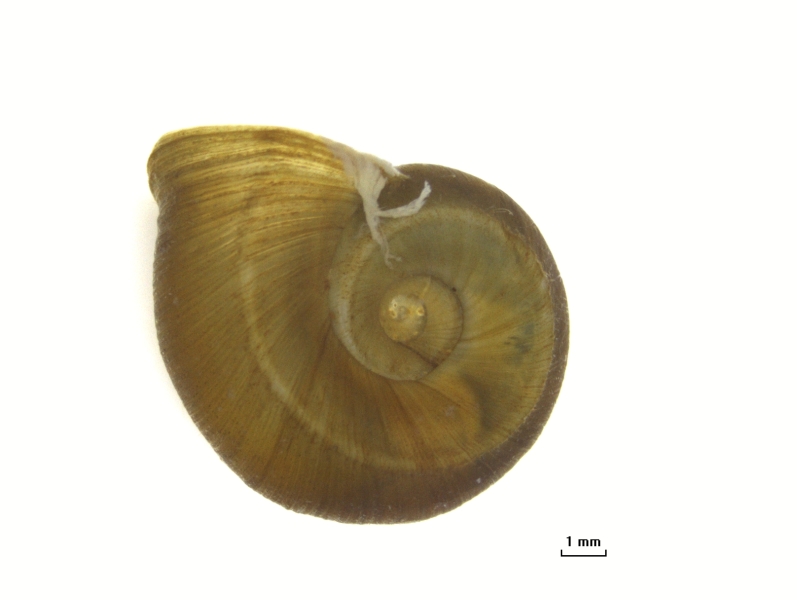
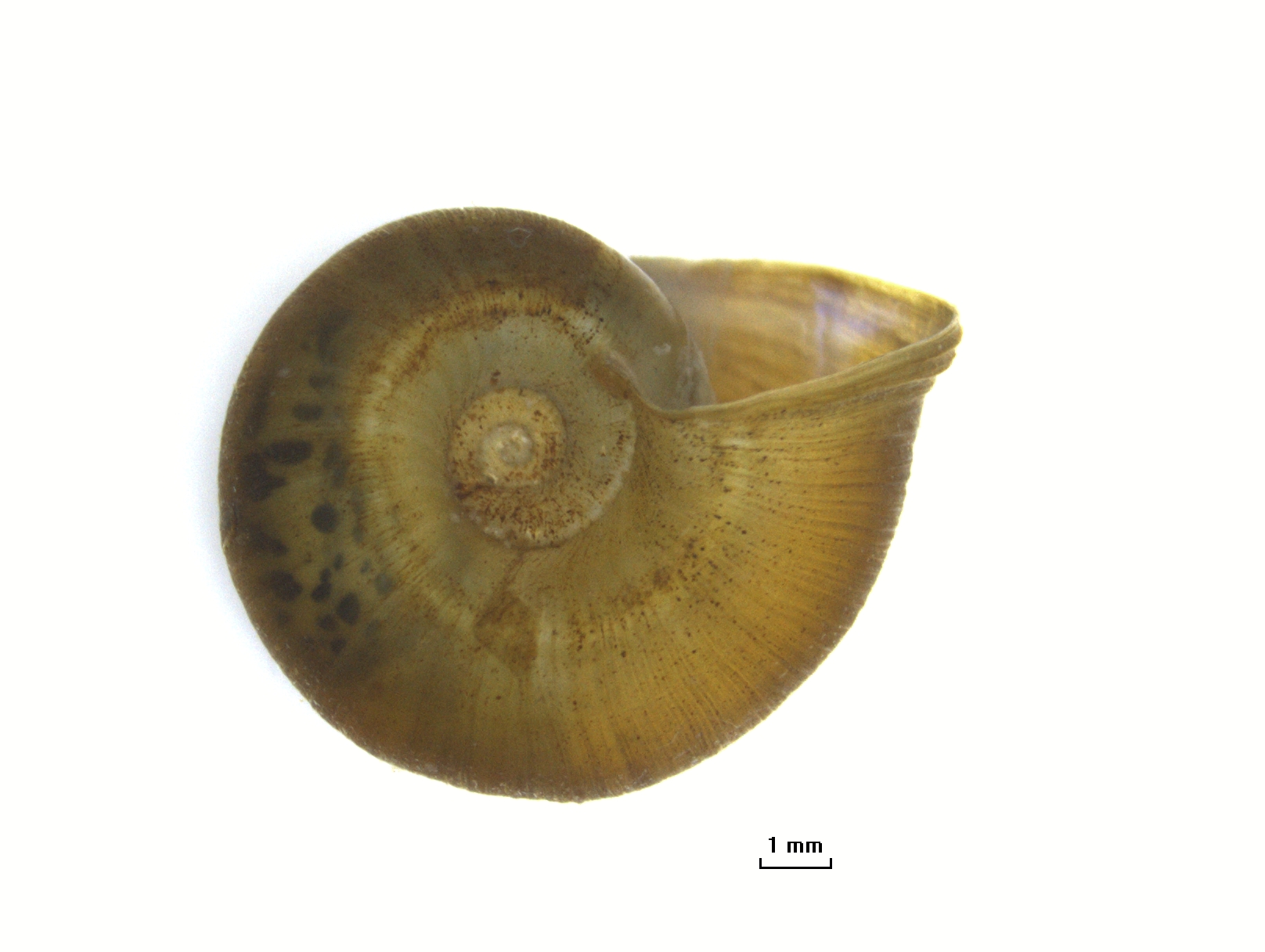
Figure 1. Helisoma anceps is a planorbid snail, coiled to the left in one plane, with the spire is indented. There are ridges on both sides of the shell.
Download Image -
2/3
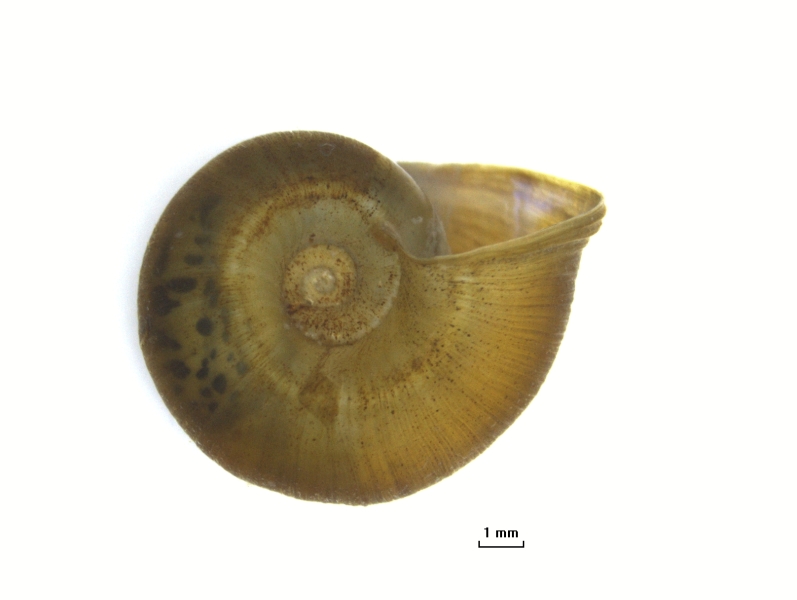
Figure 2. The underside of H. anceps is also indented, and there is a second ridge.
Download Image -
3/3
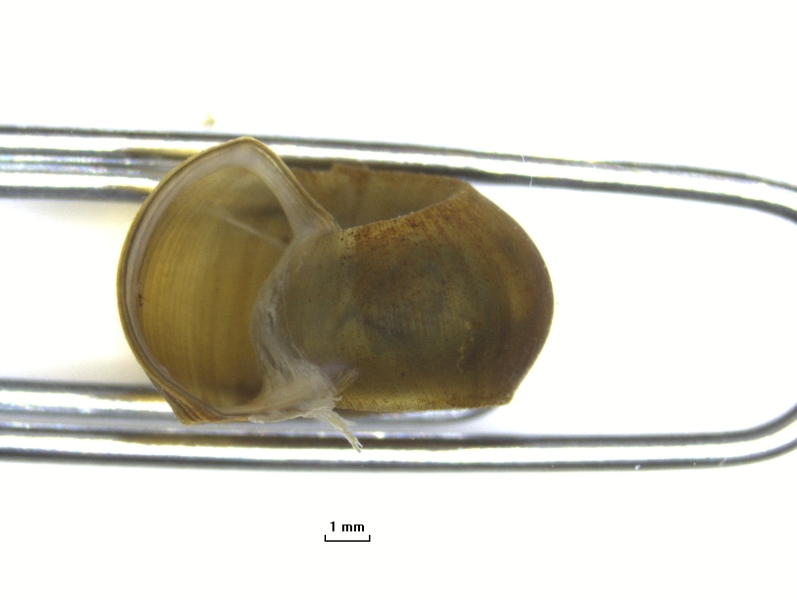
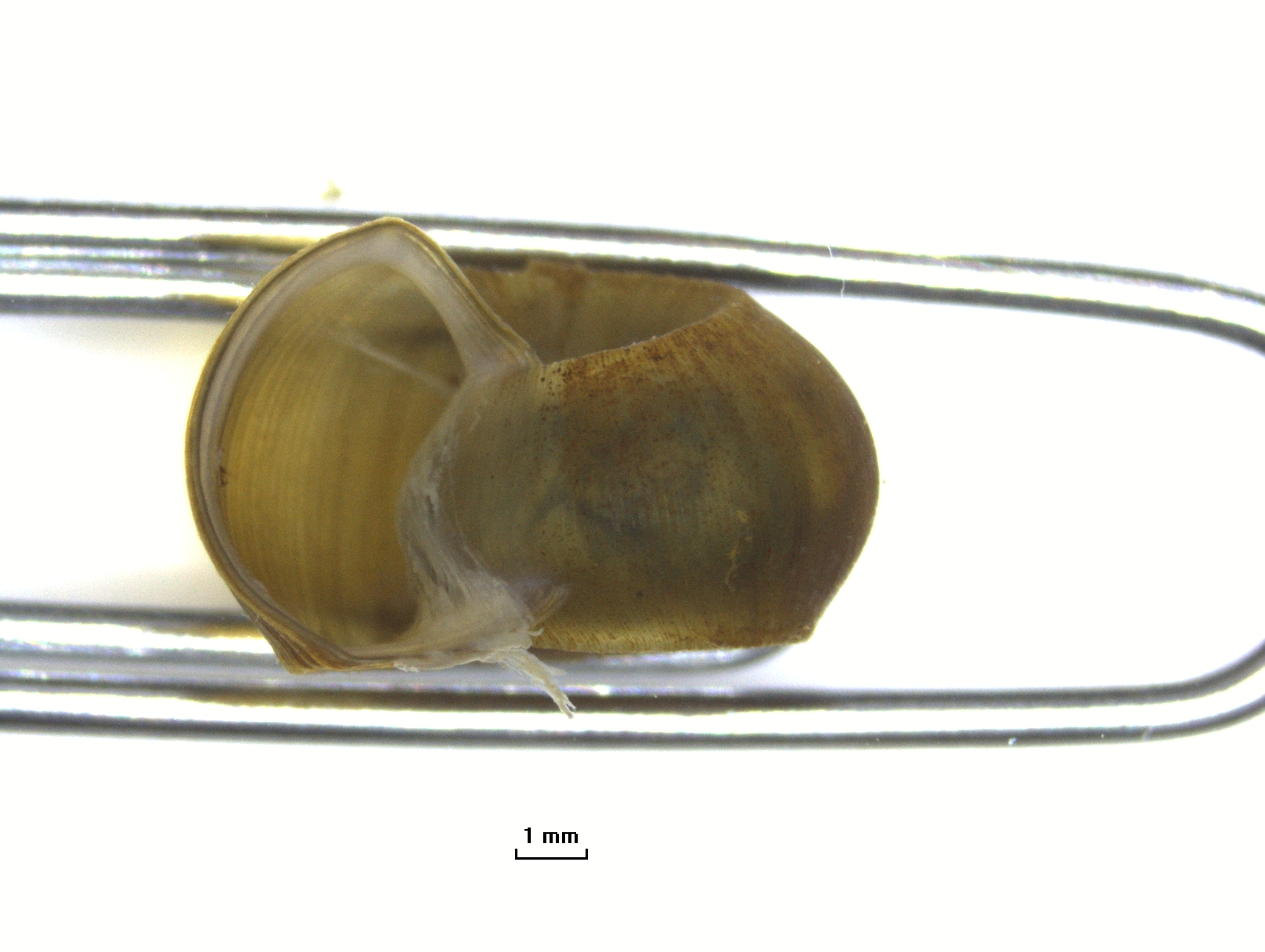
Figure 3. The aperture of H. anceps is pointed on the sides where the ridges are.
Download Image
Helisoma anceps
Taxa description
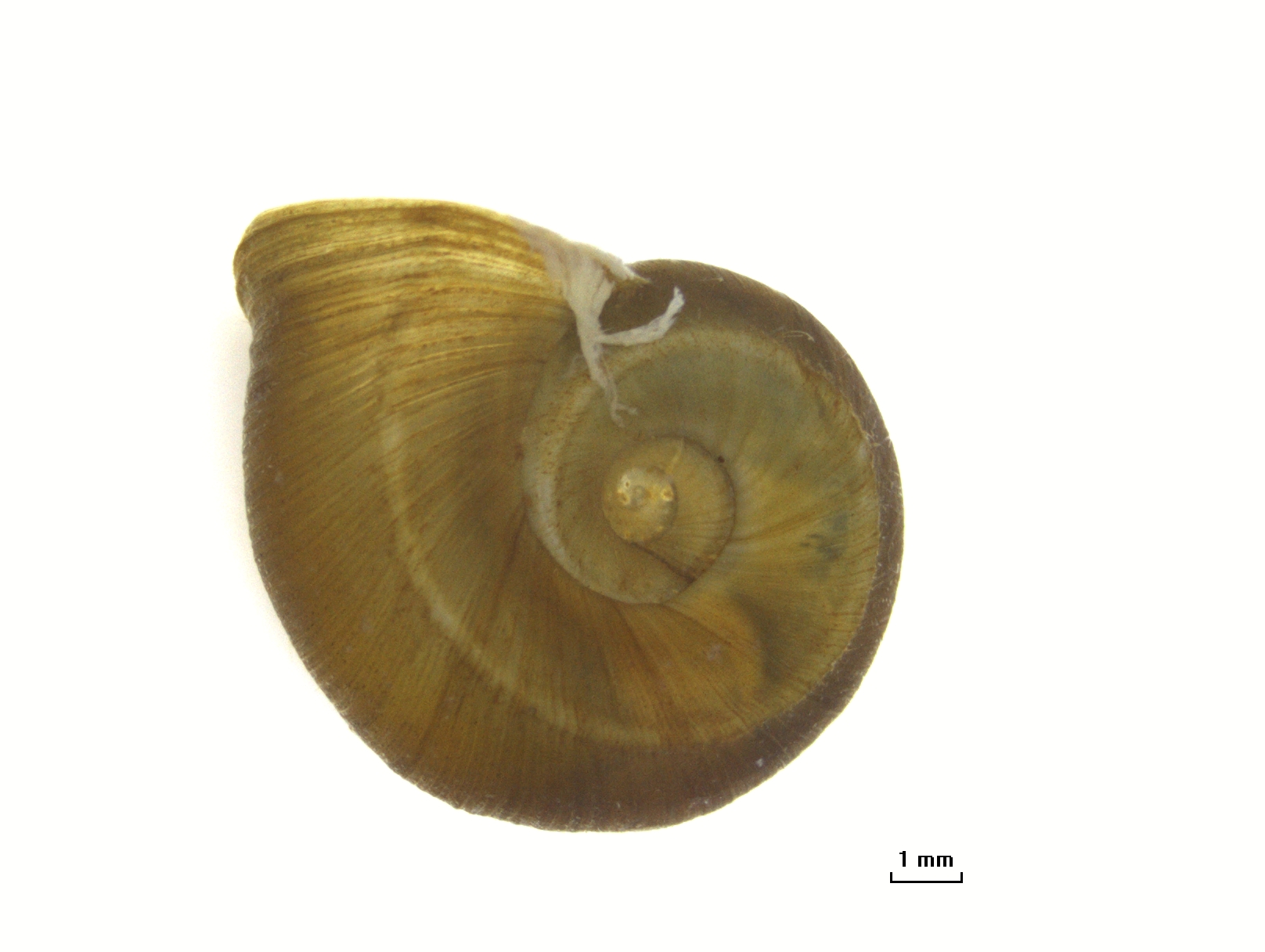
Adult size of the two-ridge ramshorn, Helisoma anceps (Menke, 1830), varies, from 8 mm to 16 mm in diameter. Color varies, but may be tannish to white. As with other planorbid snails, H. anceps is coiled to the left ("sinistral") in one plane (Figures 3, 4). Helisoma anceps shells are ultradextral (or sinistral), discoidal, but vary in shape throughout its range. The spire is an inverted cone, deep and narrow. The underside also is inverted and conical, but is more blunt or rounded at the end. There are ridges on both sides of the shell (the name "anceps" means "two sided" or "two heads"). The whorls are flattened forming smooth-sided funnel-shaped depressions on both sides of shell (Fig. 3, 4). The last whorl has a thickened and flared opening, or aperture. The foot is wide, rounded in front and back, and may have tiny white dots. This species has a single pair of tentacles with eye spots at the base. The tentacles are long and slender, extending beyond the foot. Since the respiratory pigment in the blood is hemoglobin, the soft parts of the snail appear reddish (Mackie et al., 1980; Burch, 1982; Jokinen, 1992).
Distinguishing features
Habitat
Helisoma anceps inhabits permanent water bodies and is found among vegetation on various substrates. In Canada, H. anceps is more frequently found in lakes than in rivers or creeks, but in general has a broad distribution. This species is also found in highly organic substrates such as peat. As with other freshwater snails, H. anceps may migrate up and down in response to food and water temperatures. Substrates it seems to prefer include littoral silt and detritus (Burch and Jung, 1992; Laman, et al., 1984; Pip, 1987). Helisoma anceps is widespread in Great Lakes watersheds, occur in shallow waters with or without vegetation where it is found at the upper edge of the profundal zone (reviewed in Mackie et al., 1980).
Lake occurrence
Recorded occurrences in Lake Erie: Pliodzinskas (1979), Krieger (1985), and Herdendorf et al. (2006); in Lake Ontario: Kilgour et al. (2000); in Lake Superior: Trebitz et al. (2019).
Similar species
Relative size
Adults vary from 8 mm to 16 mm in diameter.
Does it have a barcode reference from the Great Lakes?
Yes, this species does have a barcode reference from the Great Lakes.
References
Burch, J.B. 1982. Freshwater Snails (Mollusca: Gastropoda) of North America. EPA-600/3-82-026. U.S. EPA, Cinncinnati, Ohio.
Clarke, A.H. 1981. The freshwater molluscs of Canada. Ottawa, Canada, National Museum of Natural Sciences, National Museums of Canada.
Jokinen, E.H. 1992. The freshwater snails (Mollusca: Gastropoda) of New York State. New York State Museum Bulletin 482: 1-112.
Mackie, G.L., D.S. White, and T.W. Zdeba. 1980. A Guide to the Freshwater Mollusks of the Laurentian Great Lakes with Special Emphasis on the Genus Pisidium. EPA-600/3-80-068. U.S. EPA, Duluth, MN.
Occurrence in scientific literature
Burch, J., Y. Jung. 1992. Freshwater Snails of the University of Michigan Biological Station Area. Walkerana, 6/15: 1-218.
Herdendorf, C.E., D.M. Klarer, R.C. Herdendorf. 2006. The ecology of Old Woman Creek, Ohio: an estuarine and watershed profile – second edition. Ohio Dept. Natural Resources, Division of Wildlife, Columbus, Ohio, 452 pp.
Kilgour, B.W., R.C. Bailey, E.T. Howell. 2000. Factors influencing changes in the nearshore benthic community on the Canadian side of Lake Ontario. J. Great Lakes Res. 26, 272-286.
Krieger, K. A. 1985. Snail distributions in Lake Erie: the influence of anoxia in the southern central basin nearshore zone. Ohio J. Sci. 85 (5): 230-244.
Laman, T., N. Boss, H. Blankespoor. 1984. Depth distribution of seven species of gastropods in Douglas Lake, Michigan. Nautilus, 98: 20-24.
Pip, E. 1987. Ecological differentiation within genus Helisoma (Gastropoda: Planorbidae) in central Canada. Nautilus, 101: 33-44.
Pliodzinskas, A.J. 1979. A general overview of Lake Erie's nearshore benthic macroinvertebrate fauna. Ohio State University, Center for Lake Erie Area Research Tech. Rept. No. 126, Columbus, Ohio. 83 p.
Trebitz, A., S. Maicie, J. Barge. 2019. A reference inventory for aquatic fauna of the Laurentian Great Lakes. Journal of Great Lakes Research 45: 1036–1046.