

Enchytraeidae
-
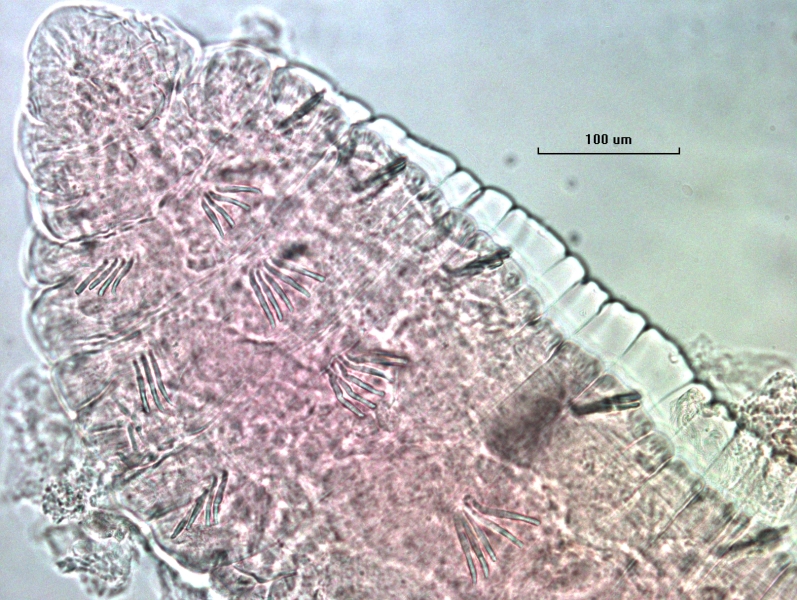
1/7
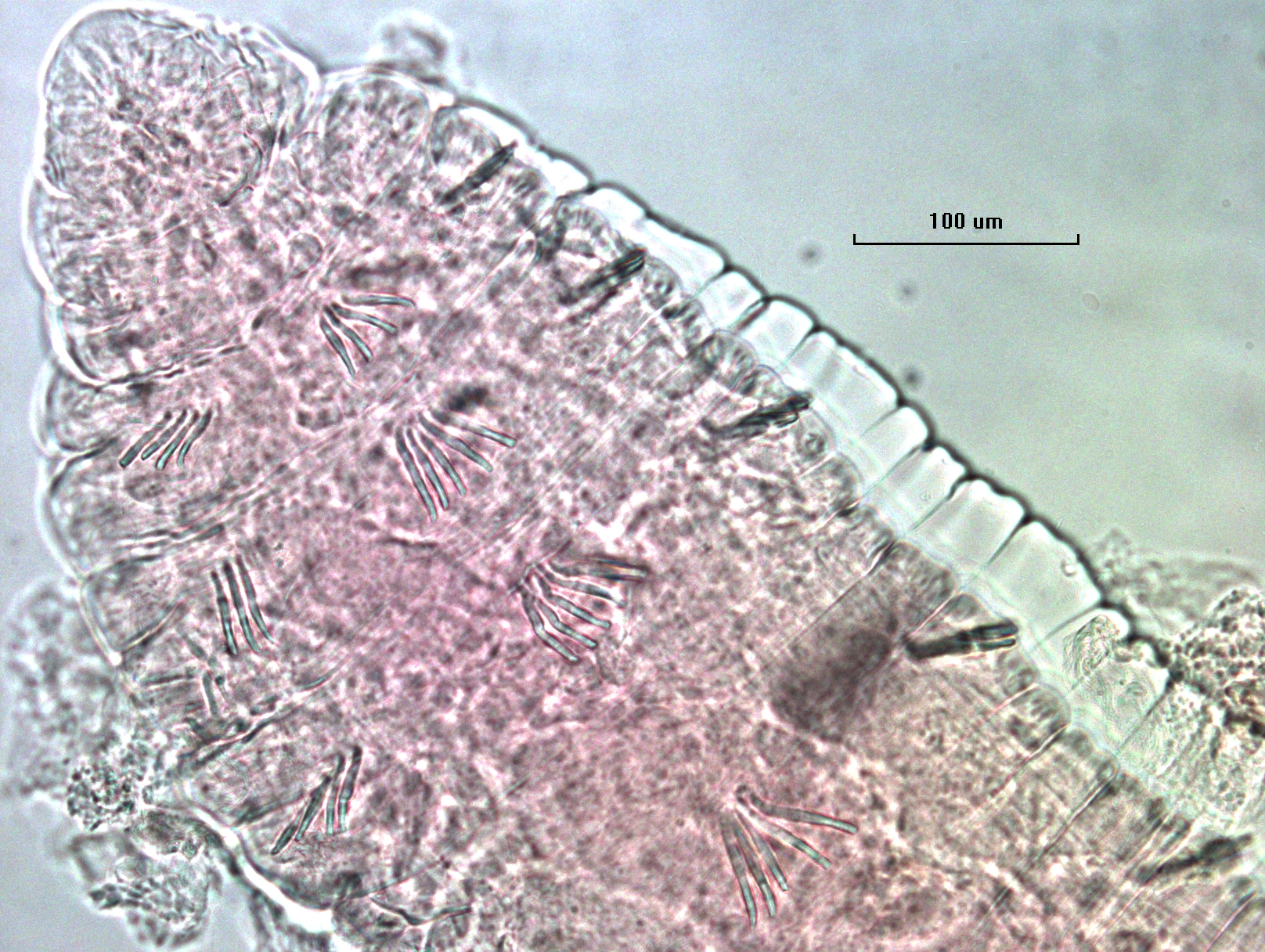
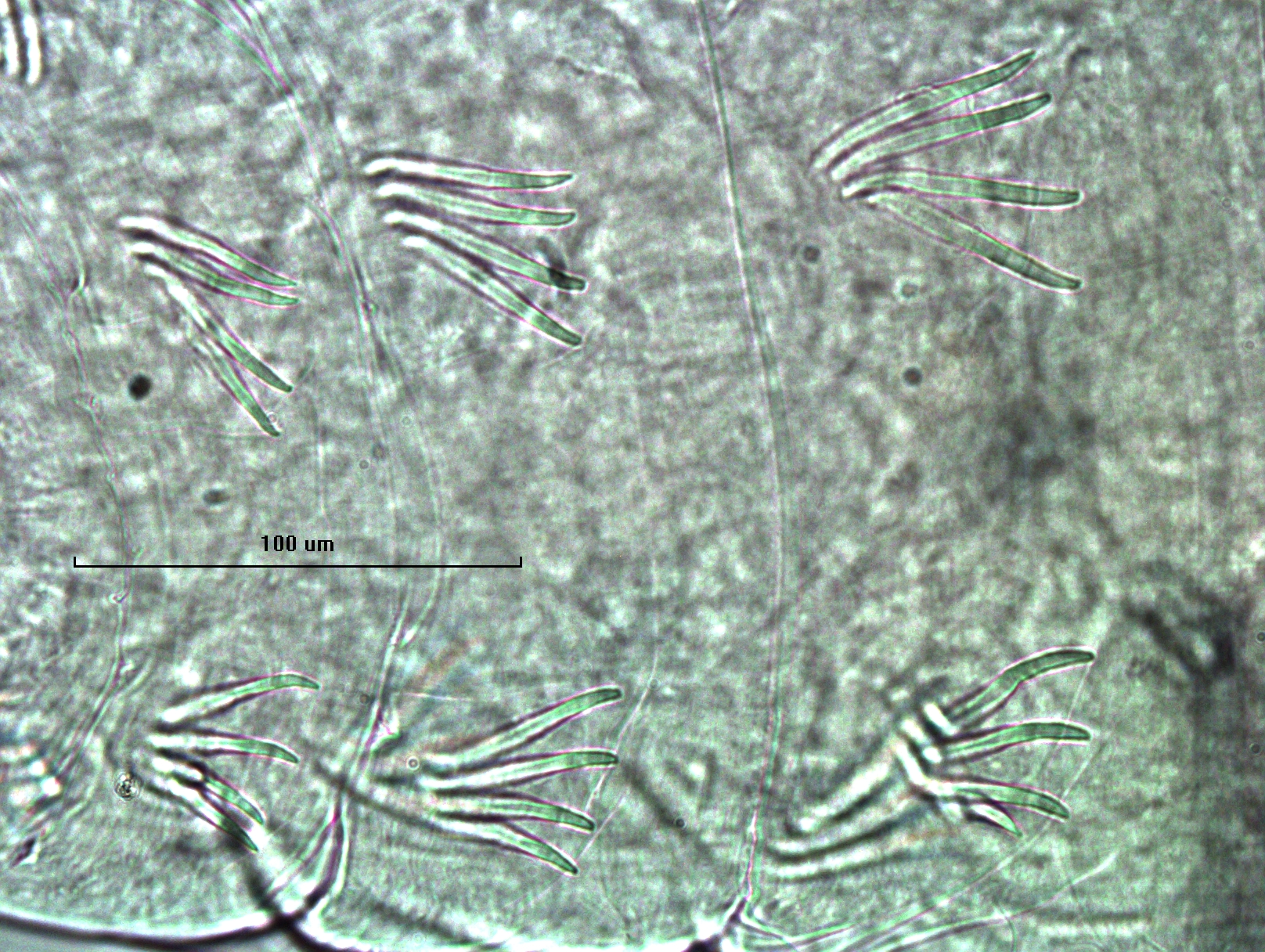
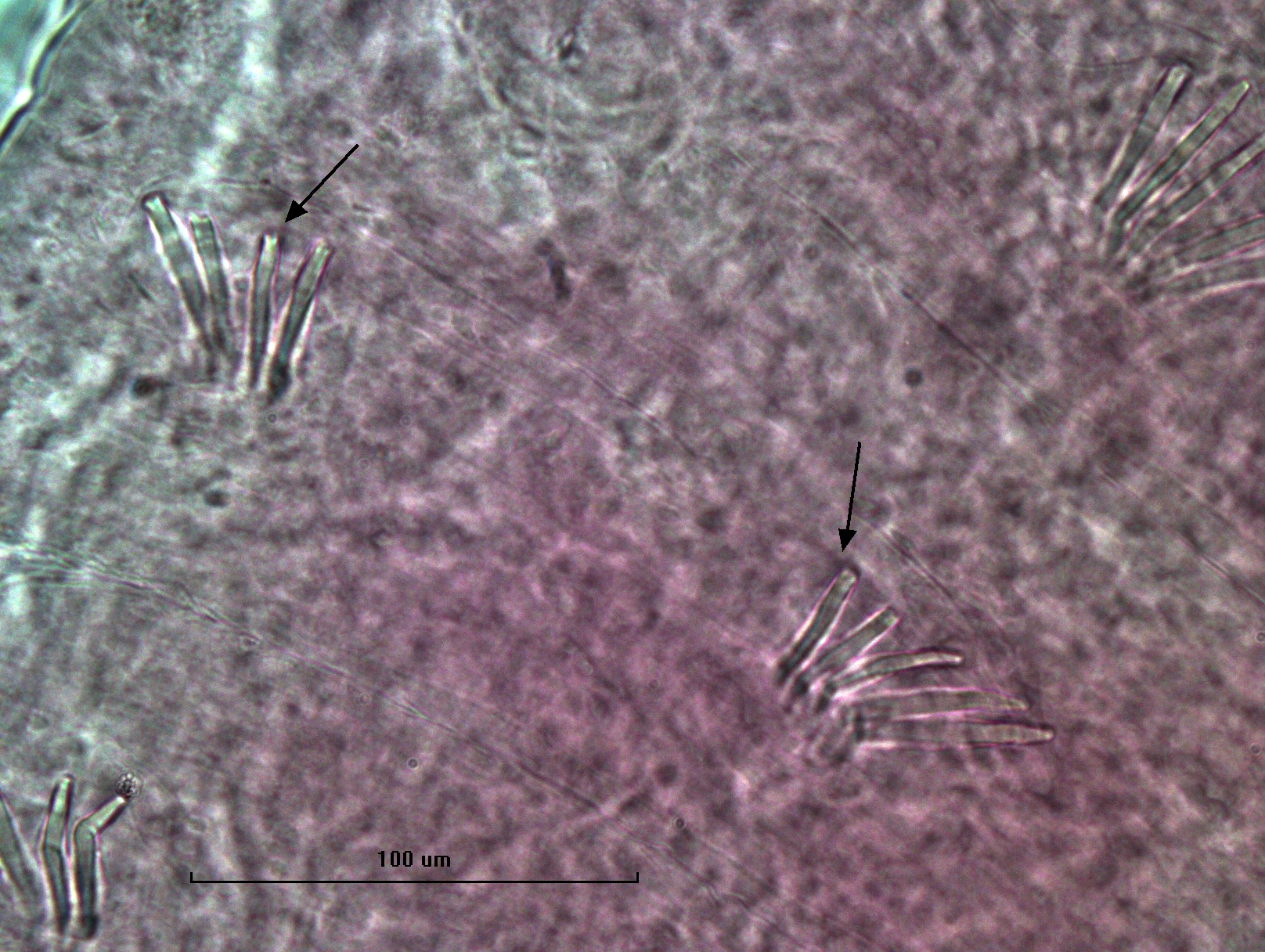
Figure 1. Enchytraeidae have simple-pointed chaetae. One type present in the Great Lakes is sometimes called Enchytraeus sp., or we could call it Type 1. Enchytraeus sp. seem to have bundles of short, straight simple-pointed chaetae without a nodulus, often broken.
Download Image -
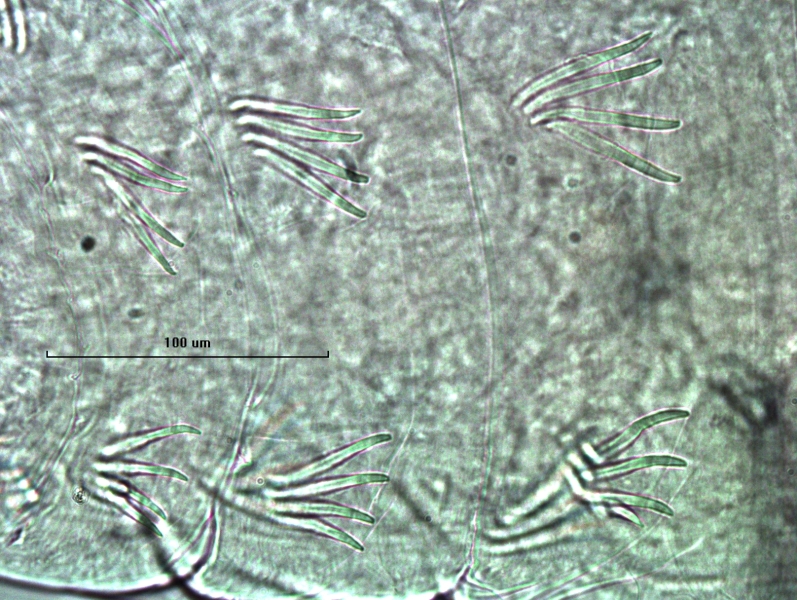
2/7
Figure 2. Enchytraeus sp. (Type 1) seem to have bundles of short, straight simple-pointed chaetae without a nodulus, often broken. The chaetae are usually thick.
Download Image -
-
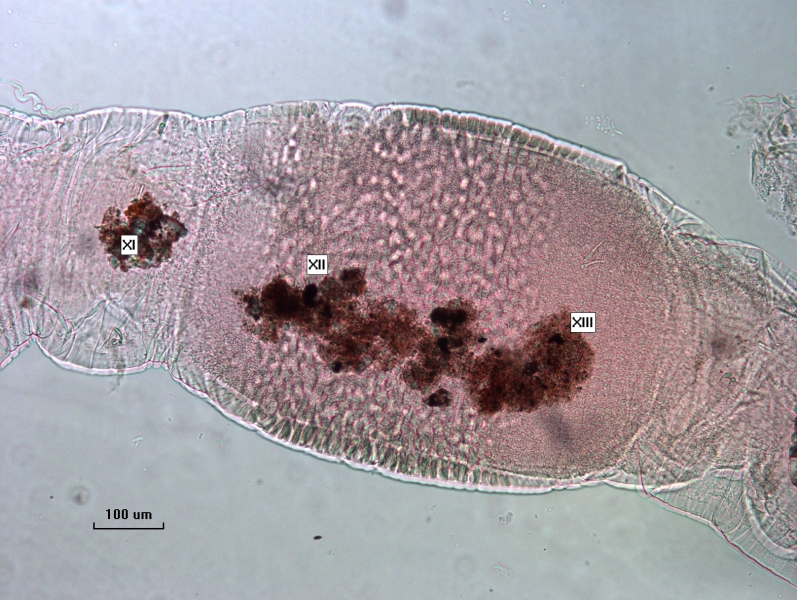
4/7
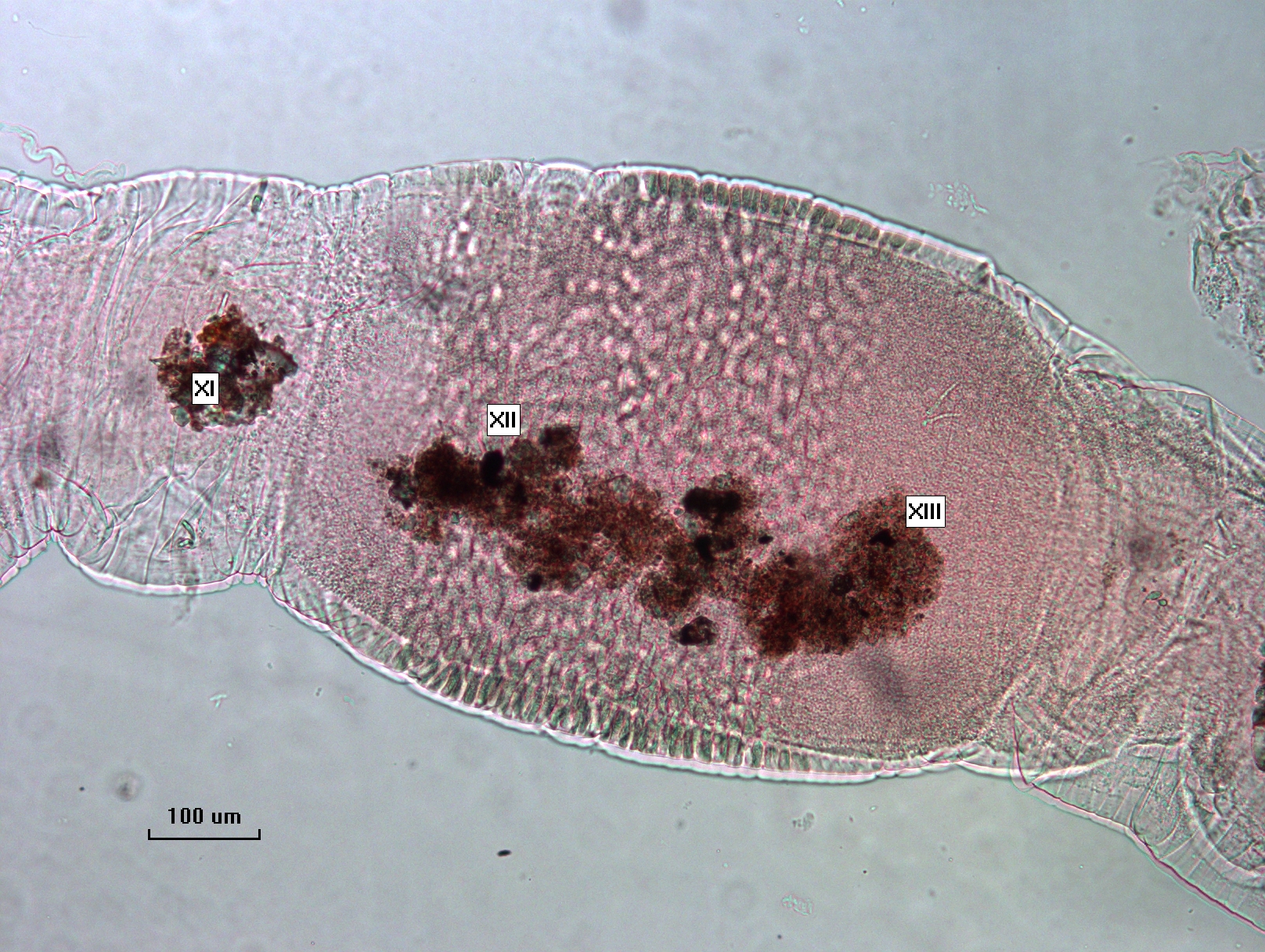
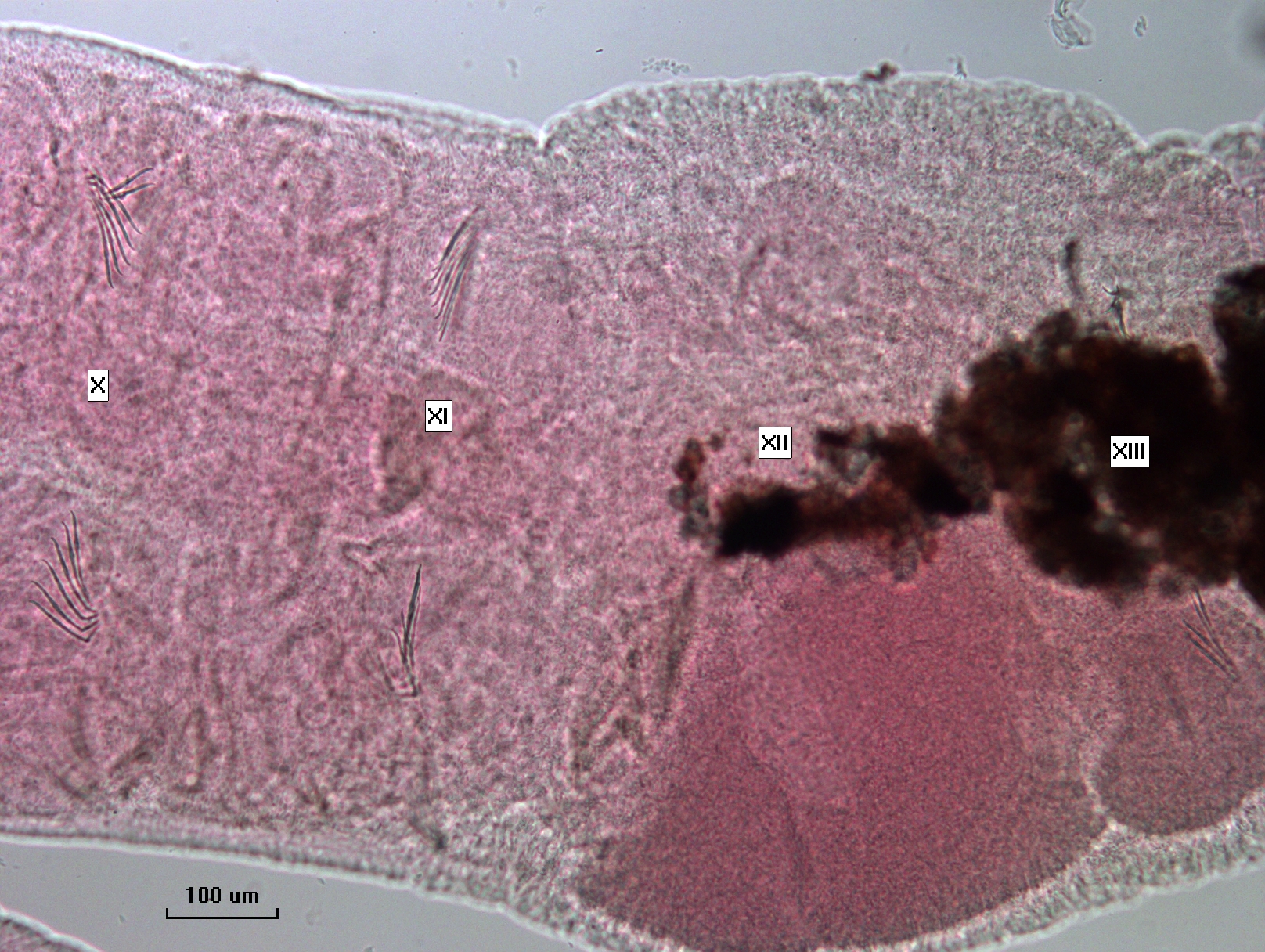
Figure 4. Enchytraeidae have their clitellum at XII. This is a mature Enchytraeus sp. (Type 1).
Download Image -

5/7
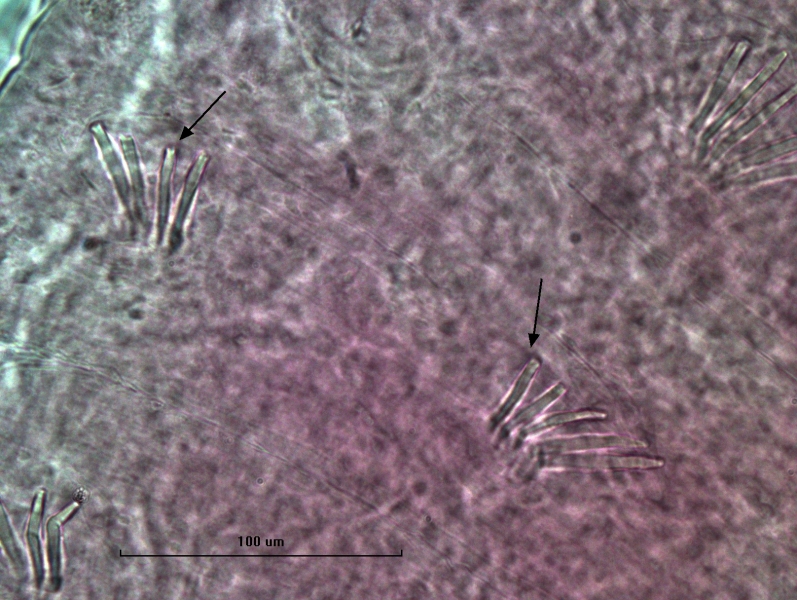
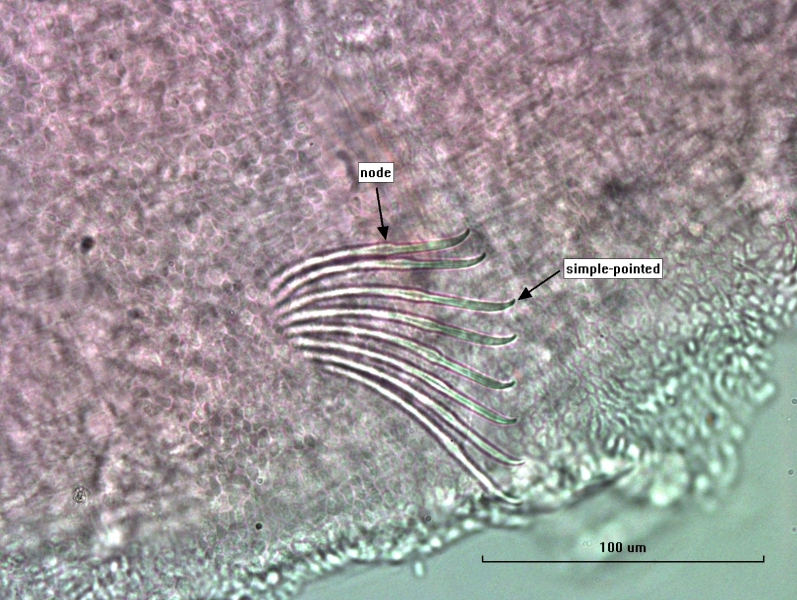
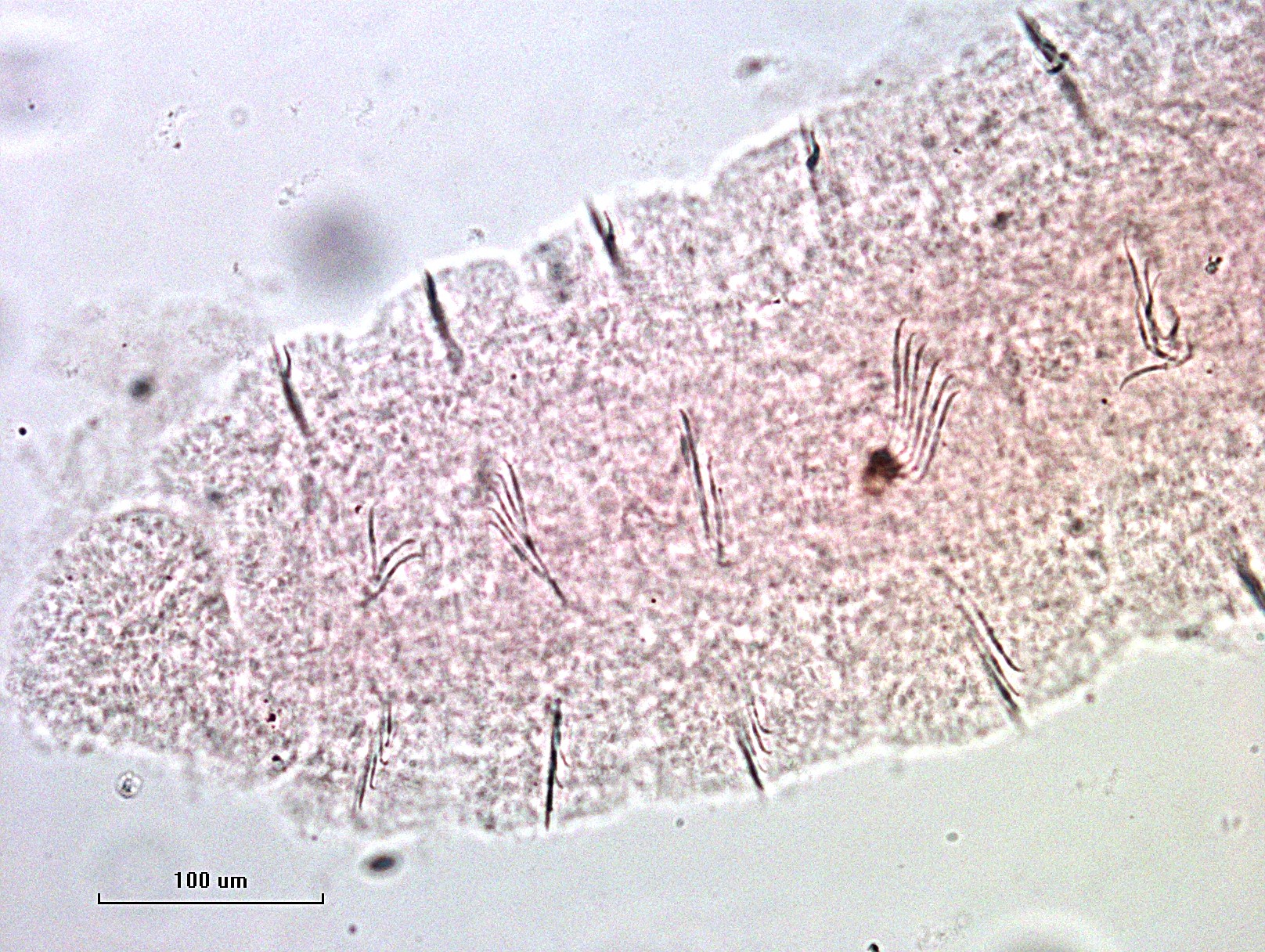
Figure 5. The second type of Enchytraeidae is Mesenchytraeus sp. or Type 2. It tends to have bundles with longer, sigmoid simple-pointed chaetae. The chaetae are usually thinner than Enchytraeus sp. (Type 1)
Download Image -
6/7
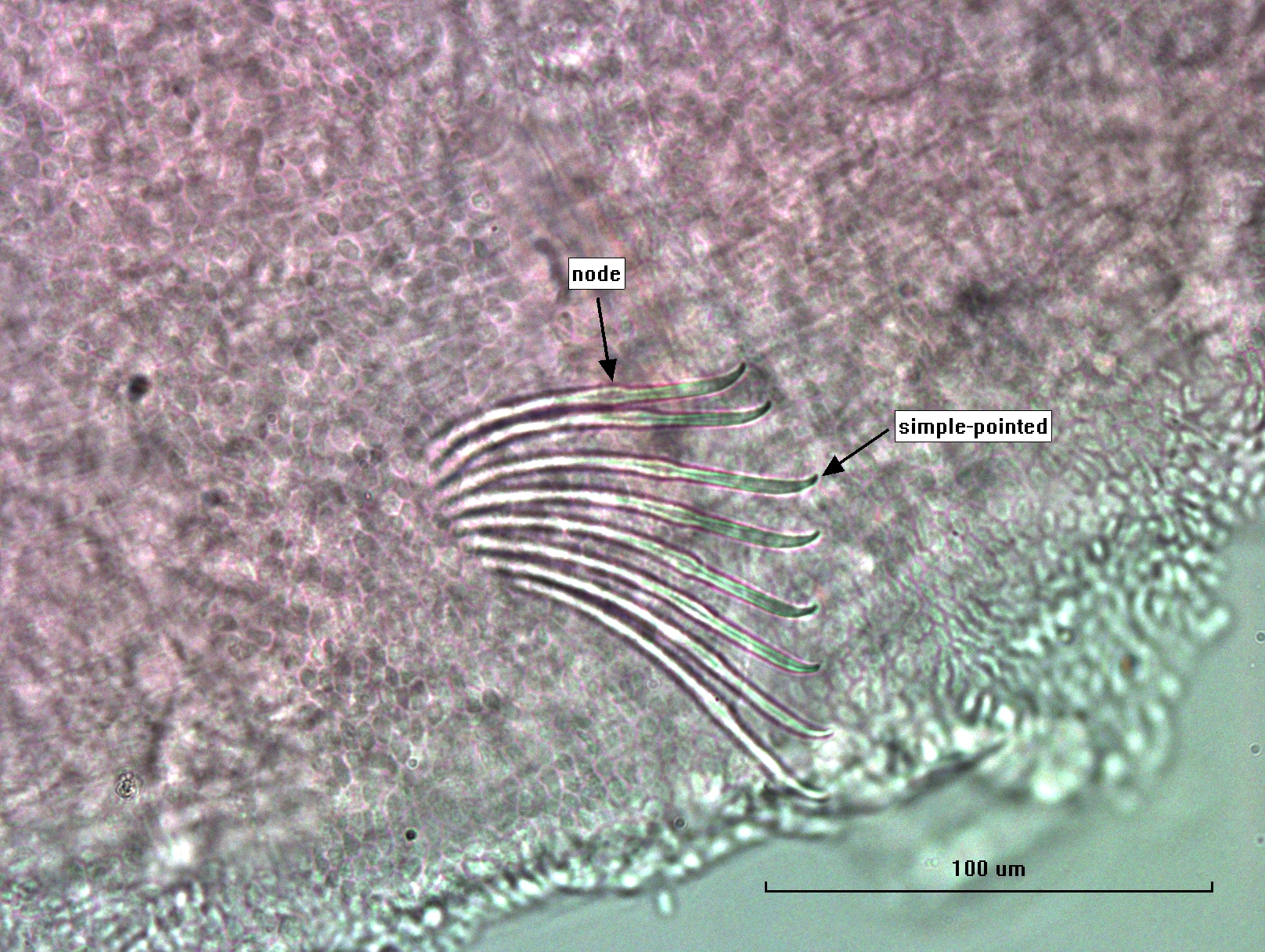
Figure 6. Mesenchytraeus sp. (Type 2) tends to have bundles with long, thin, sigmoid simple-pointed chaetae. They aren't broken as often as the chaetae in Enchytraeus sp. (Type 1).
Download Image -
7/7
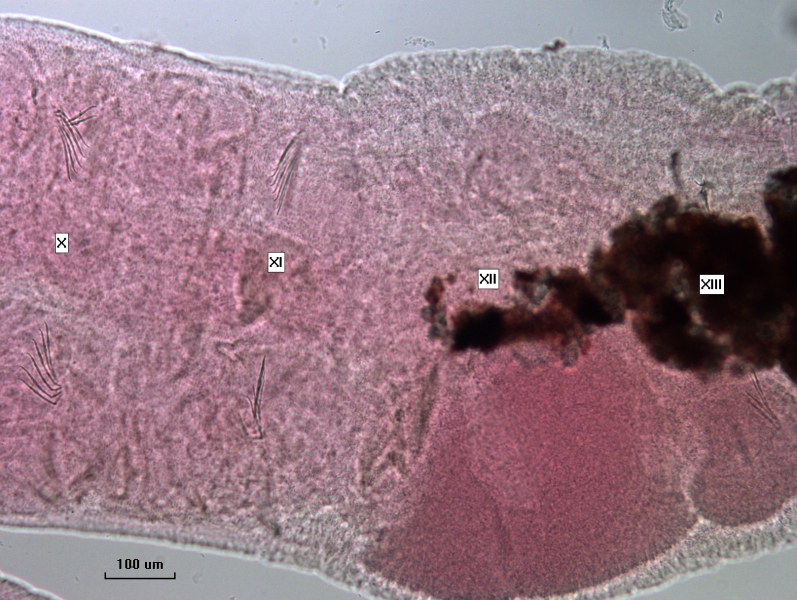
Figure 7. Enchytraeidae have their clitellum at XII. This is a mature Mesenchytraeus sp. (Type 2).
Download Image
Enchytraeidae
Taxa description
Enchytraeidae is a freshwater oligochaete family that is common in the Great Lakes. It is not possible to distinguish to species or likely even genus without examining the internal organs and there aren’t any North American keys, so often this family is listed just as Enchytraediae. This family has simple-pointed chaetae starting in II, many with two per bundle but sometimes more, and no hair chaetae. The chaetae may be sigmoid or straight, with or without a nodulus. There are two main types found in the Great Lakes, which are sometimes listed as Enchytraeus sp. and Mesenchytraeus sp. Enchytraeus sp. seems to have bundles of short, straight simple-pointed chaetae without a nodulus, often broken. Mesenchytraeus sp. tends to have bundles with longer, sigmoid simple-pointed chaetae. The cuticle is thick, so Enchytraeidae often seems much stiffer and more opaque than other freshwater oligochaetes. When mature, the clitellum is in XII.
Distinguishing features
Enchytraeidae have two or more simple-pointed chaetae per bundle and a thick, stiff cuticle.
Habitat
Lake occurrence
Lakes Huron, Michigan, Ontario, and Superior.
Similar species
Enchytraeidae often cannot be identified past the family level but could be confused with oligochaetes belonging to other families. Lumbriculid worms like Stylodrilus heringianus have sets of two bifid chaetae with short upper teeth with a nodulus; Lumbriculidae are often larger than 20 mm unless they are not fully developed, but even embryonic worms may sometimes be identified as lumbriculid worms based on the pairs of minutely bifid chaetae. Enchytraeidae are usually much shorter than lumbriculid worms.
Naidid worms are often closer in size to Enchytraeidae, but most don’t have dorsal chaetae starting in II, many have hair chaetae dorsally and bifid chaetae ventrally, and some have eyes.
Not many species of tubificid worms have simple-pointed chaetae, and some of those that do also have hair chaetae. The closest tubificid would be Thalassodrilus hallae, which is a small worm that has no hair chaetae and bifid chaetae that become simple-pointed posteriorly. Since it has bifid chaetae with short upper teeth until about XXX, though, the head is not likely to be confused with Enchytraeidae. Aulodrilus americanus has simple-pointed or minutely bifid chaetae anteriorly that become brush-shaped palmate chaetae starting in VI. A. americanus is sometimes large and may be found in sediment tubes, but some smaller specimens lacking posterior ends may initially be confused with Enchytraeidae. A. americanus has up to 10 chaetae per bundle, which would likely be more than any Enchytraeidae would have.
Relative size
Enchytraeidae are small to medium freshwater oligochaetes. Some may be less than 10 mm long.
Does it have a barcode reference from the Great Lakes?
No, this family does not yet have a barcode reference from the Great Lakes.
References
Kathman, R.D., and R.O. Brinkhurst. 1998. Guide to Freshwater Oligochaetes of North America. pp. 6, 16, 21–22, 186–187, 200–201.