

Branchiura sowerbyi
-
1/8
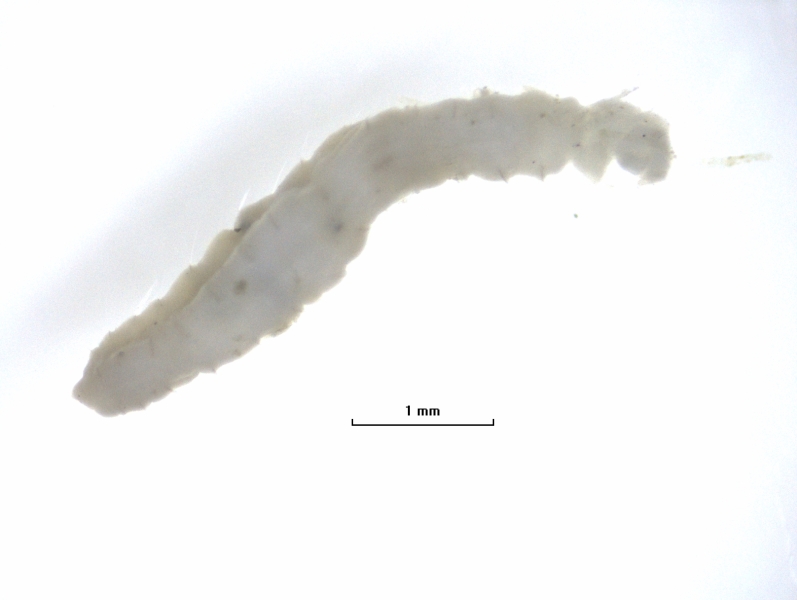
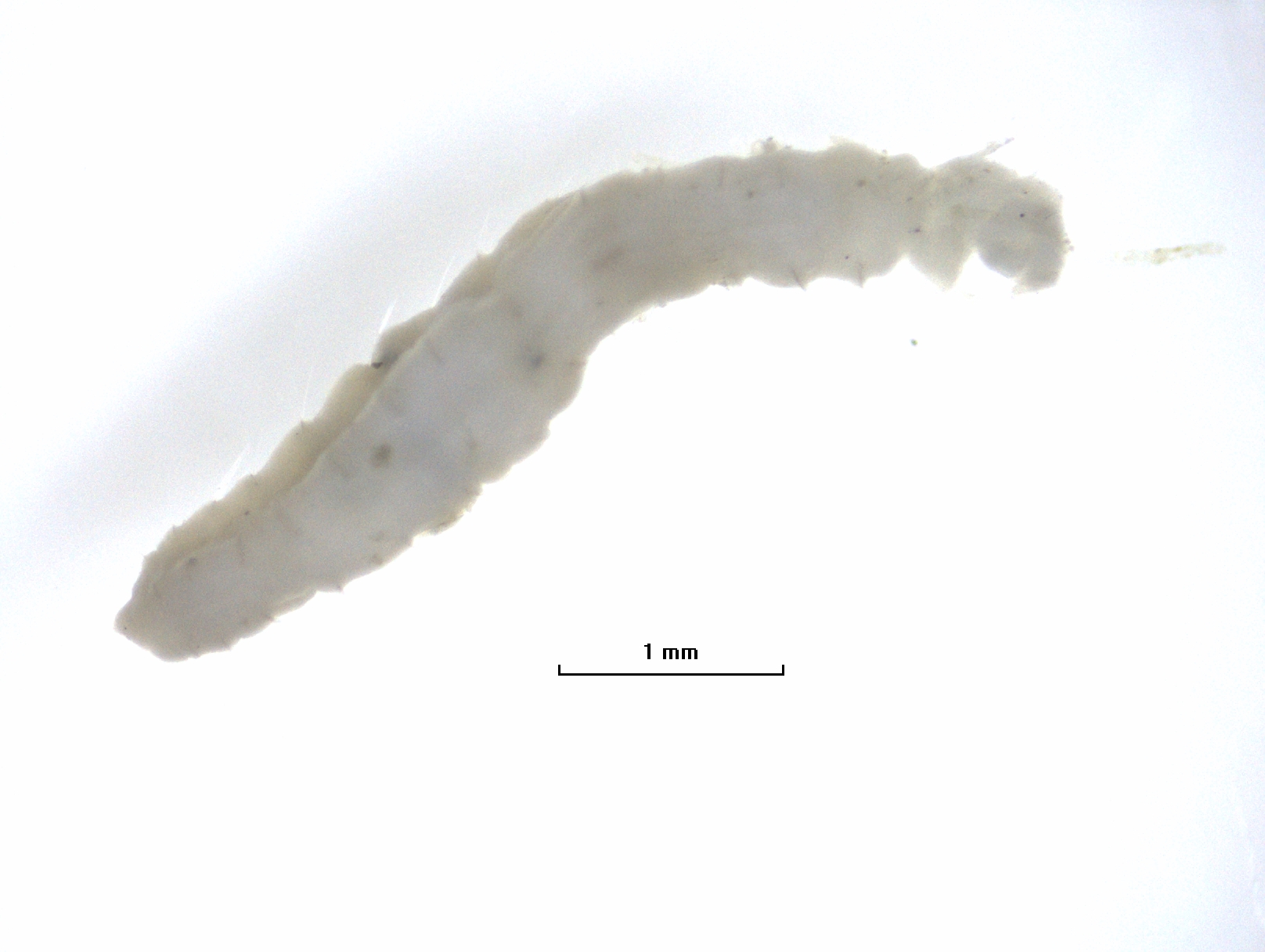
Figure 1. The front part of Branchiura sowerbyi looks just like many other tubificids without the posterior gills, so it will need to be examined more closely.
Download Image -
2/8
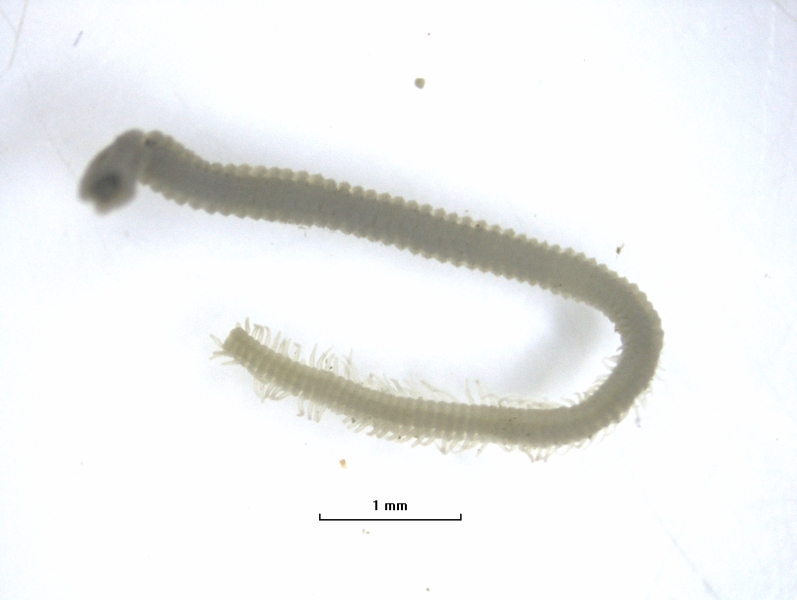
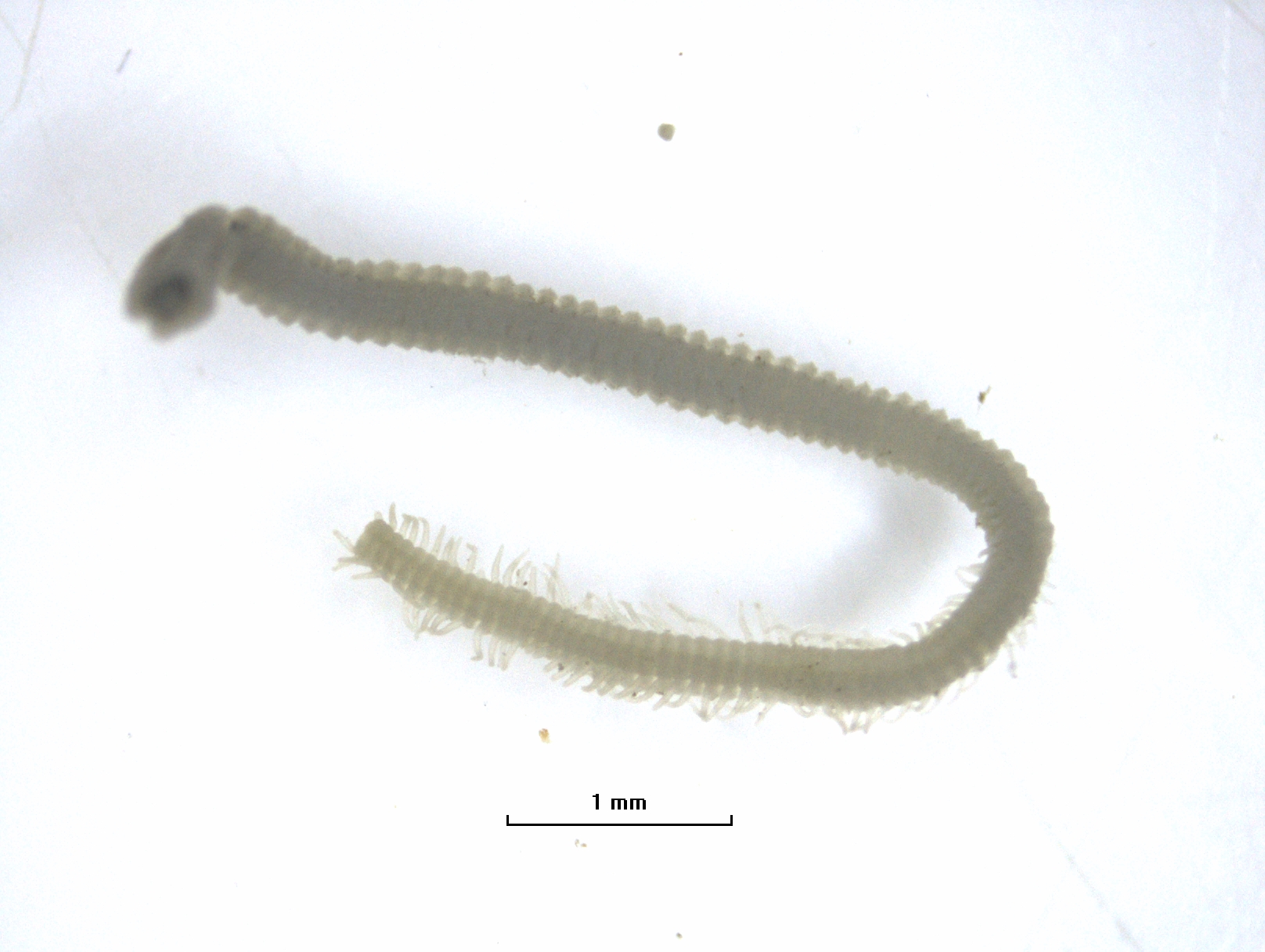
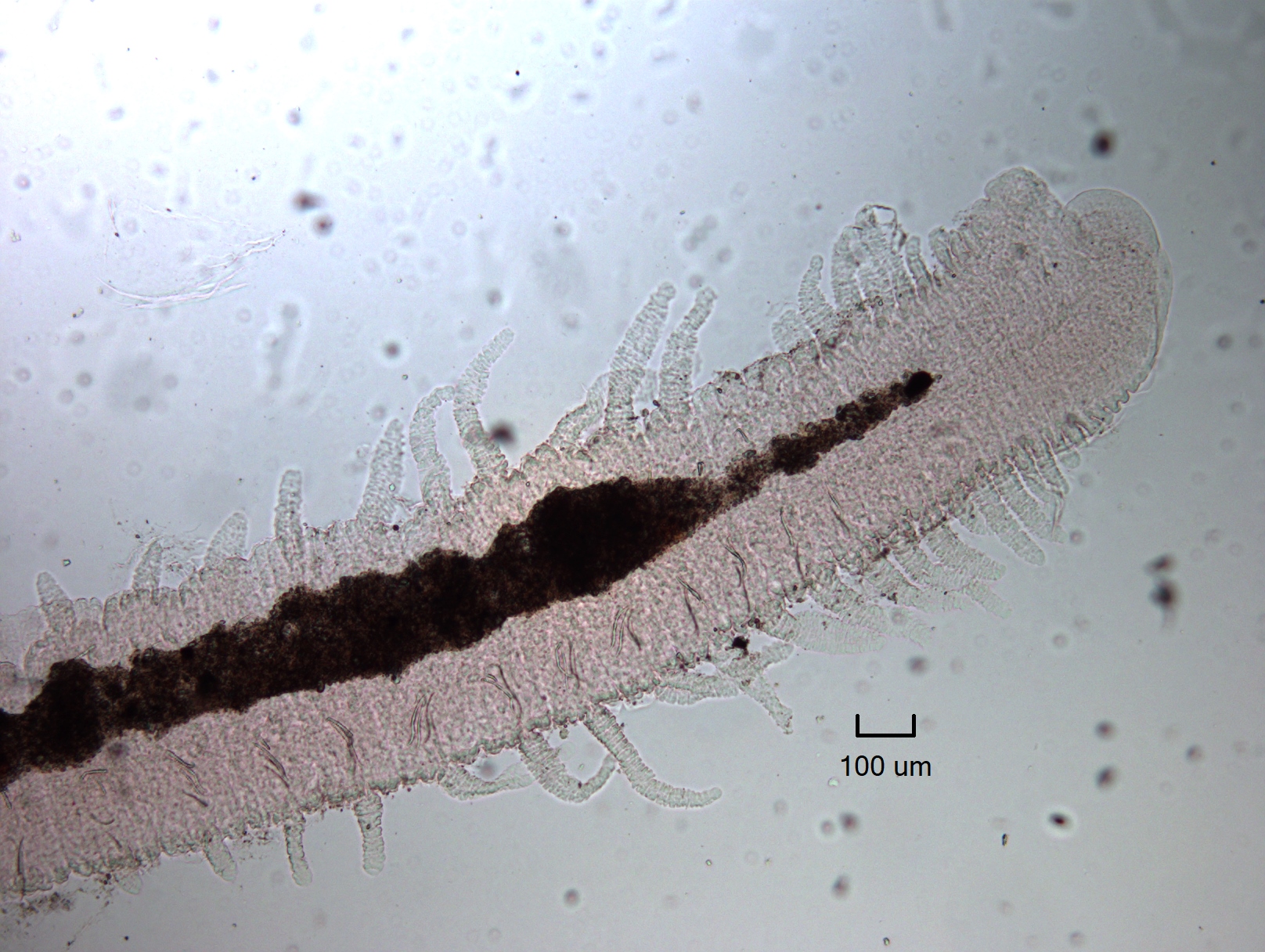
Figure 2. B. sowerbyi readily fragments, separating the head from the gilled posterior ends.
Download Image -
3/8
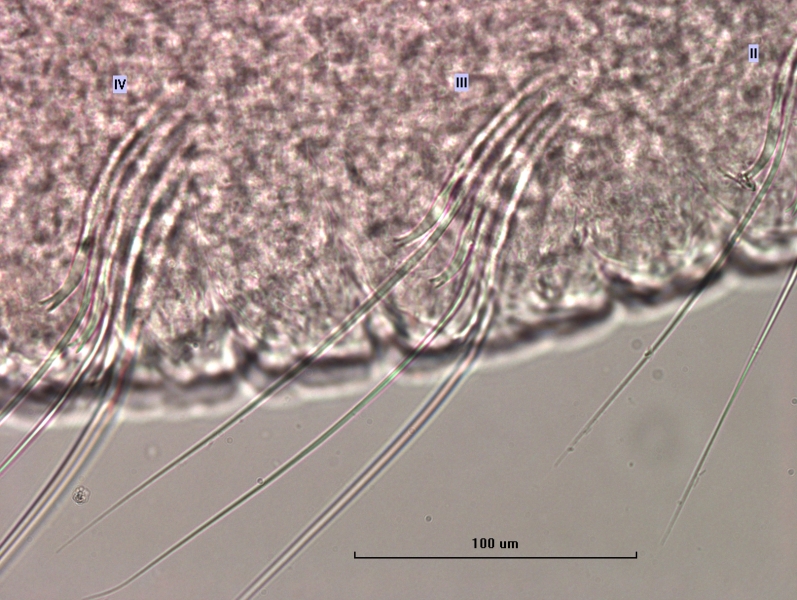
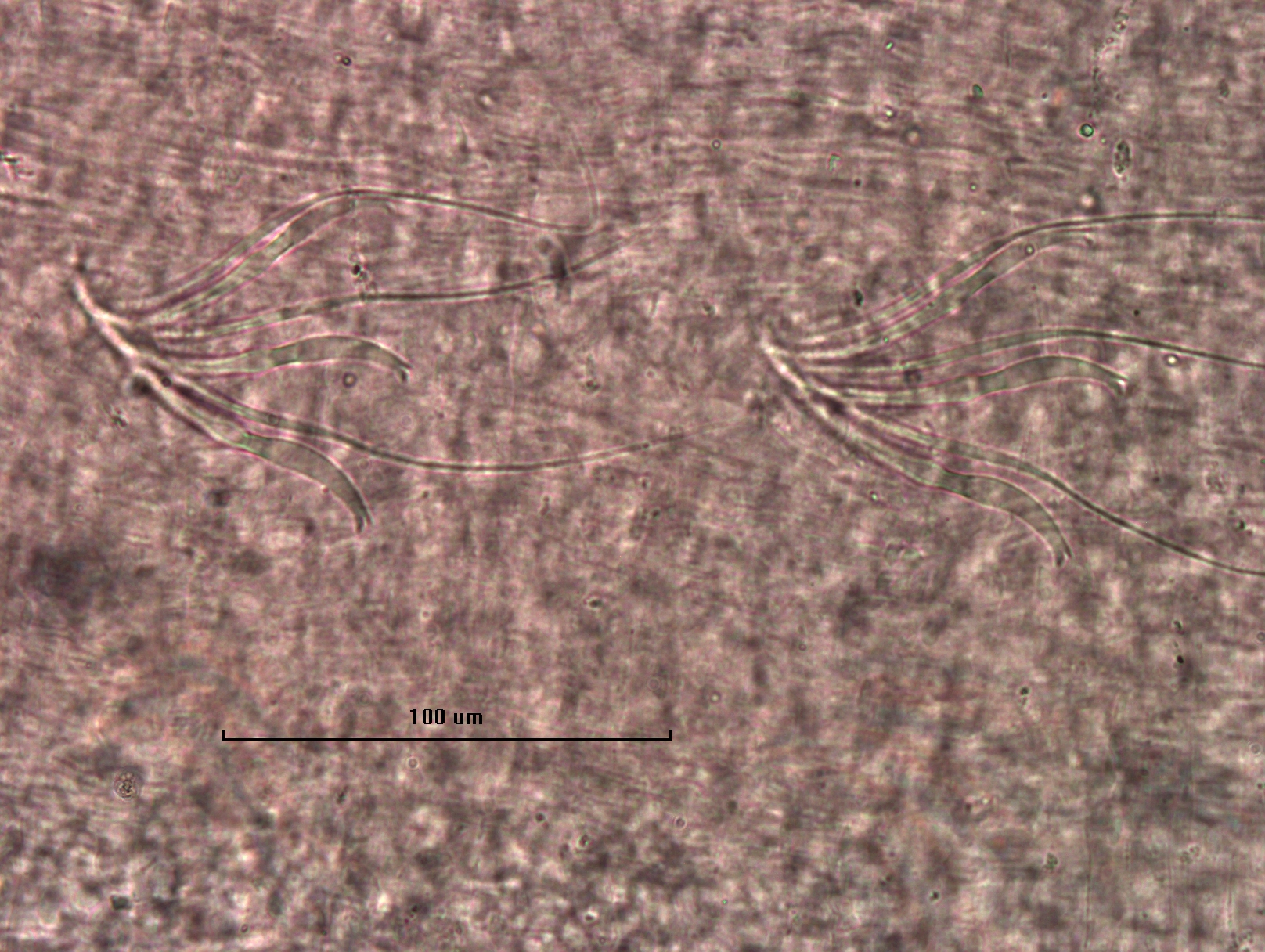
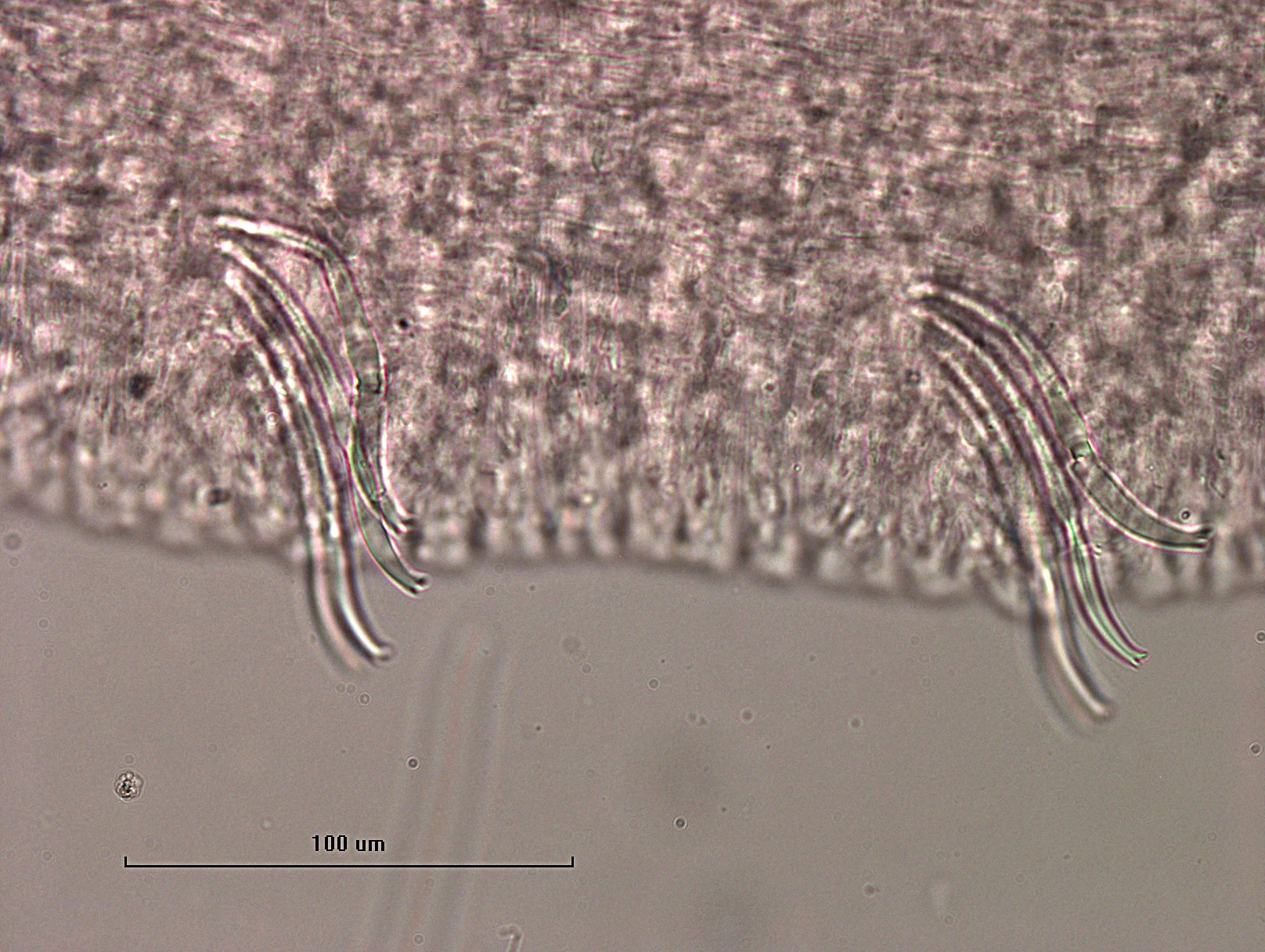
Figure 3. The dorsal bundles of B. sowerbyi have 1-6 short hair chaetae with 7-12 chaetae with short, thin upper teeth that may look bifid but are often replicate on the lower tooth when viewed under an oil immersion lens.
Download Image -
-
5/8
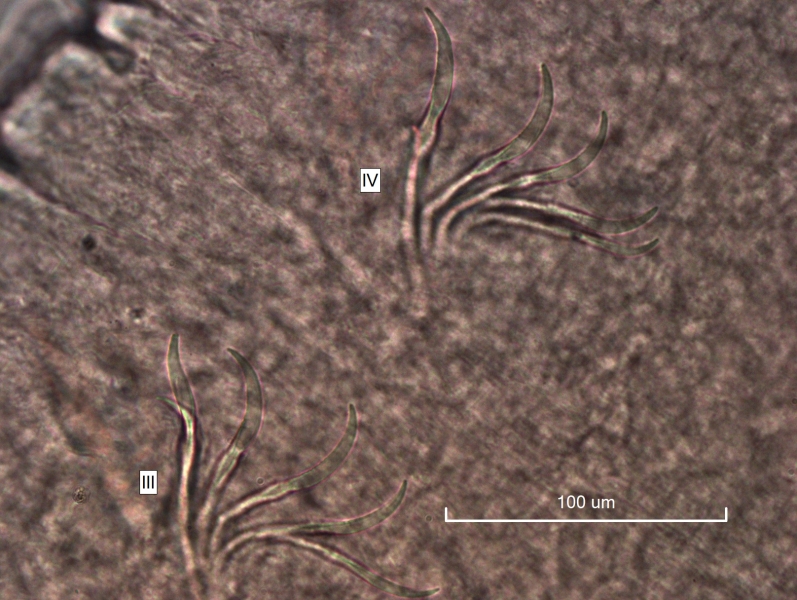
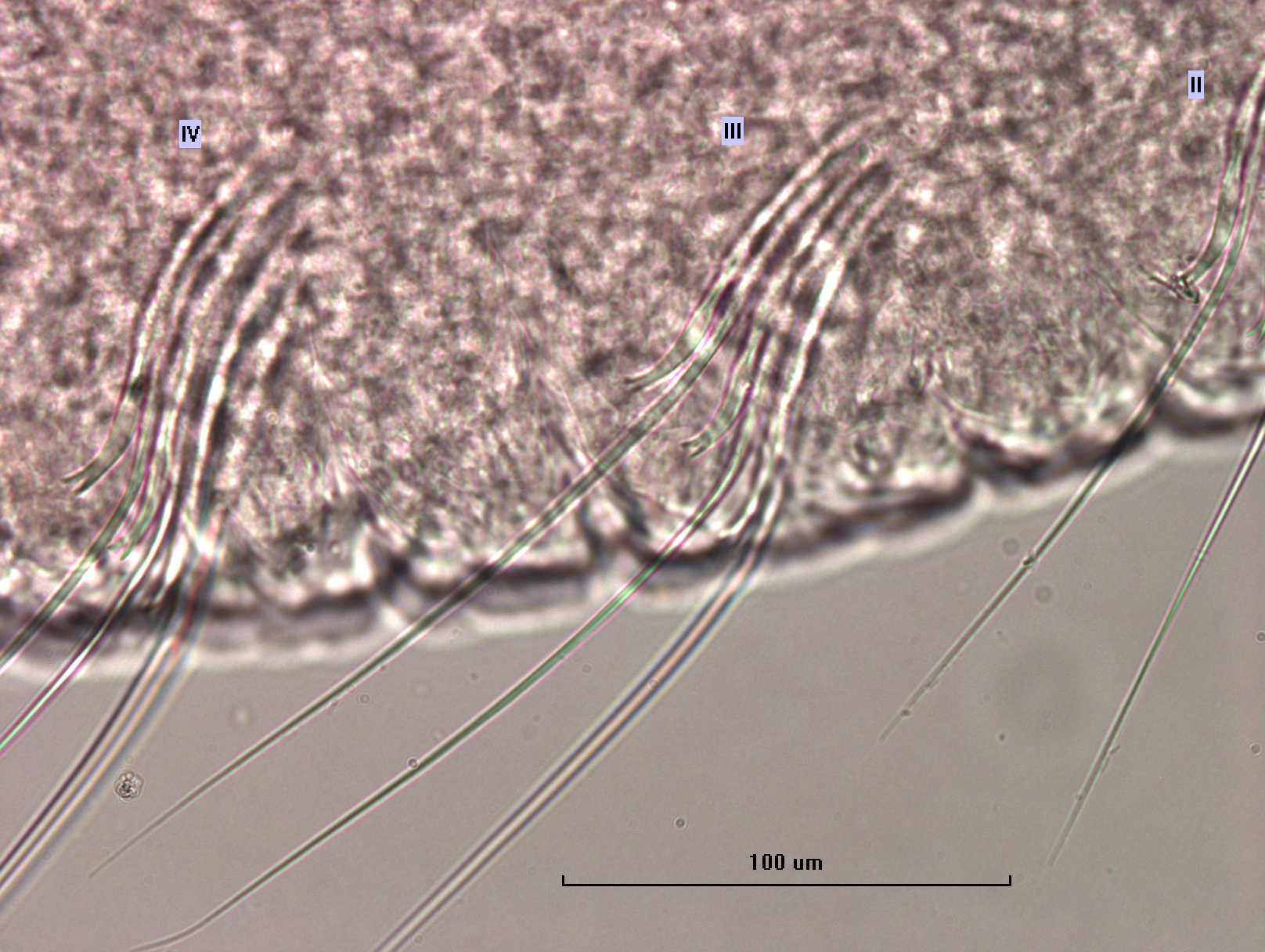
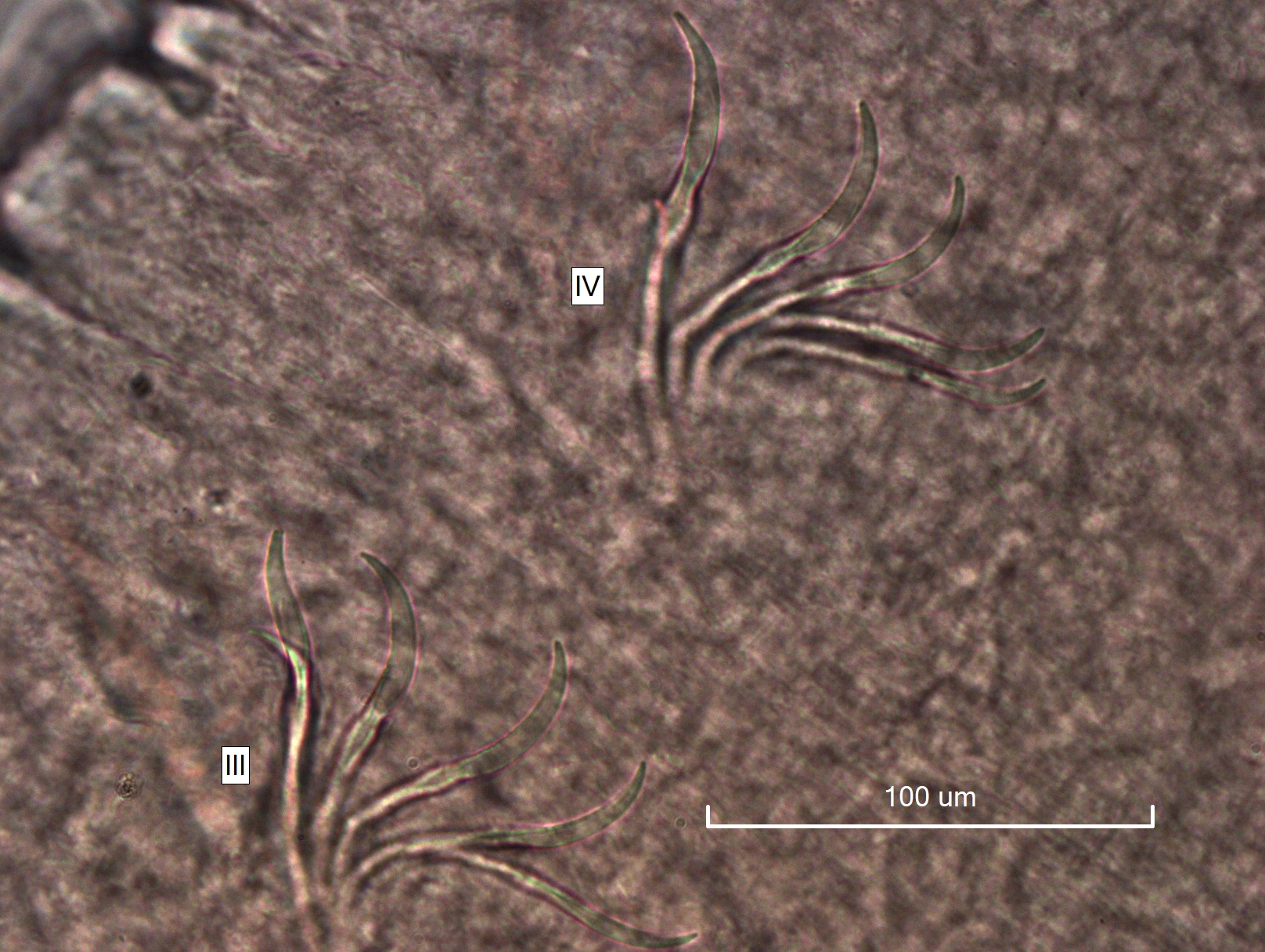
Figure 5. The anterior ventral chaetae of B. sowerbyi are simple-pointed in II-IV, which is diagnostic for differentiating it from the similar-looking A. pluriseta, which has bifid ventral chaetae.
Download Image -
6/8
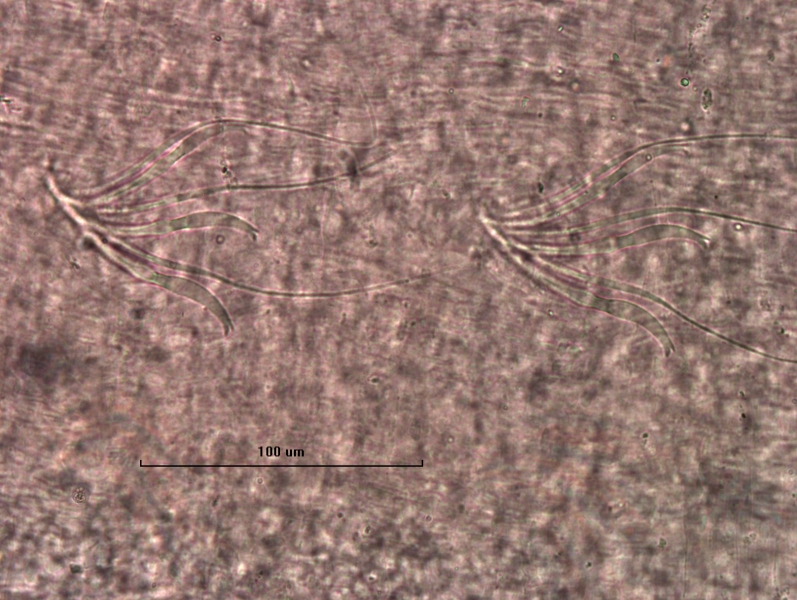
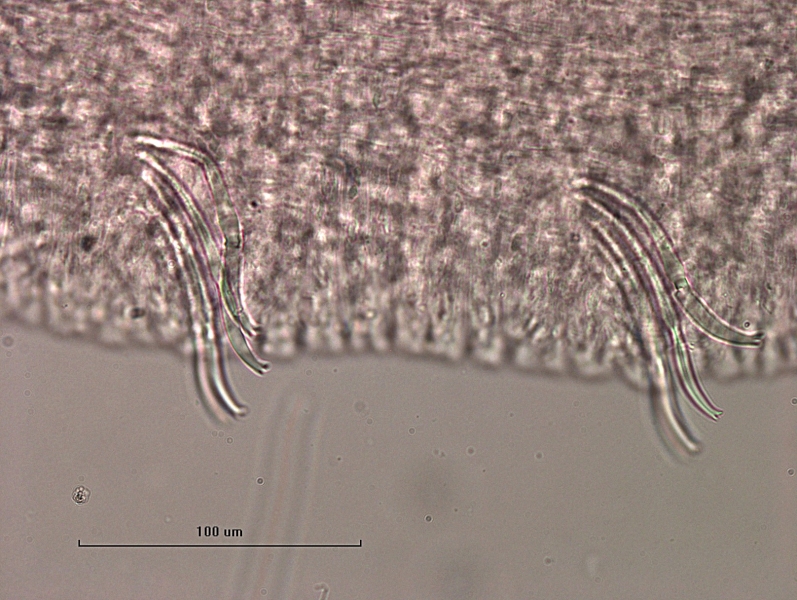
Figure 6. The rest of the ventral chaetae are bifid with short, thin upper teeth and number up to 14. Some of the ventral chaetae may have replicated teeth.
Download Image -
7/8
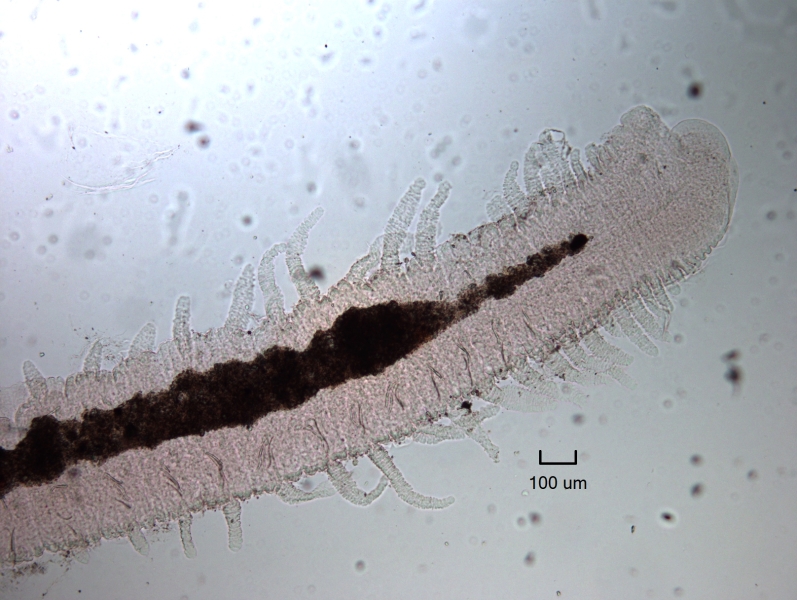
Figure 7. Some of the mounted B. sowerbyi may be intact and have gills on their posterior ends.
Download Image -
8/8
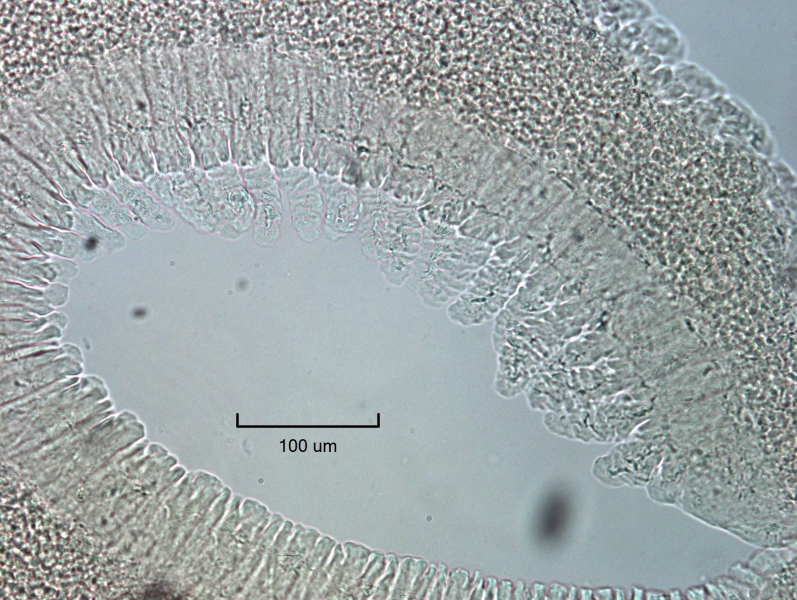
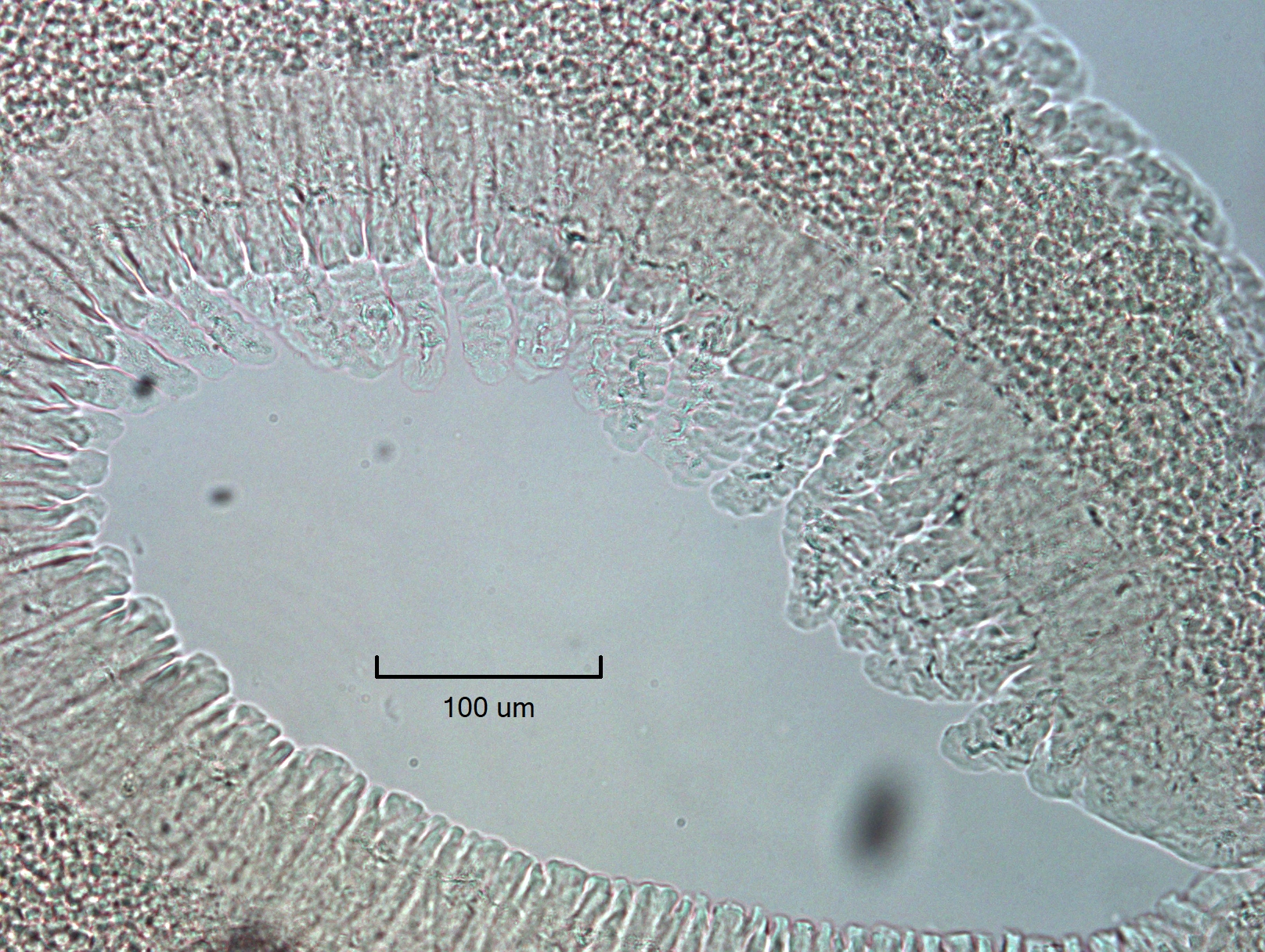
Figure 8. Some oligochaete embryos may even be identifiable as B. sowerbyi based on the development of fingerlike gills on one end, even if no other features have developed yet.
Download Image
Branchiura sowerbyi
Taxa description
Branchiura sowerbyi is a freshwater oligochaete worm that is uncommon in the Great Lakes, though it can be abundant where it is found. It is a tubificid worm with dorsal hairs beginning in II, dorsal chaetae are bifid or appear pectinate, ventral chaetae are bifid or simple-pointed, and gill filaments on posterior segments. The dorsal bundles of B. sowerbyi have 1-6 short hair chaetae with 7-12 chaetae with short, thin upper teeth that may look bifid but are often replicate on the lower tooth when viewed under an oil immersion lens. Ventral chaetae number up to 14 and are bifid with short, thin upper teeth. The anterior ventral bundles of II–IV often have simple-pointed chaetae instead. This species has eversible pseudopenes when mature. Starting in approximately XXX, each segment has a dorsal and ventral gill filament. However, this species readily fragments, so it is common for it to be missing the posterior with gills.
Distinguishing features
B. sowerbyi is mainly identified by having gill filaments on posterior segments, fragmenting easily, having short hair chaetae, dorsal chaetae are bifid with short, thin upper teeth that may be replicated or appear pectinate, ventral chaetae are bifid with short, thin upper teeth, and anterior ventral chaetae of II–IV may be simple-pointed.
Habitat
B. sowerbyi is found mostly in rivers throughout North America. In Europe, it is also known to do well in heated effluents.
Lake occurrence
This species occurs in Lake Erie and Lake St. Clair, and in the Huron-Erie corridor.
Similar species
Unlike many other tubificids, B. sowerbyi does not need to be mature in order to be identified. No other species in the Great Lakes has gill filaments on posterior segments (Dero spp. have gills in branchial fossa only on their posterior end). However, since B. sowerbyi is so prone to fragmentation, there may not always be gills on specimens and other features must be used to identify them. B. sowerbyi is most likely to be confused with Aulodrilus pluriseta or A. japonicus because the anterior end shares a similar chaetal arrangement. A. pluriseta and A. japonicus are nearly indistinguishable but specimens that have replicated bifid dorsal chaetae may be A. japonicus while those with only bifid dorsal chaetae may be A. pluriseta. Either way, the dorsal bundles of A. pluriseta resemble B. sowerbyi because they contain several hairs and several bifid chaetae with a short, thin upper tooth that may have replications. A. pluriseta and A. japonicus will only have one replicated tooth, not several, not usually on the lower tooth, and not needing an oil immersion lens to be seen. A. pluriseta has bifid ventral chaetae with the upper tooth shorter and thinner than the lower, and no simple-pointed ventral chaetae. It has true penes, not eversible pseudopenes, and is often found in sediment tubes. A. pigueti also has hair chaetae and bifid chaetae with the upper tooth shorter and thinner than the lower, but posteriorly the dorsal chaetae become spatulate, and there are sometimes penial chaetae when mature. A. limnobius is similar to A. pigueti because it has similar bifid chaetae and spatulate posterior chaetae, but it lacks hair chaetae, which sets it apart from B. sowerbyi. A. americanus is also a large worm, unlike most of the other Aulodrilus species, but it lacks hair chaetae and the posterior chaetae are broadly brush-shaped. Any specimens found in sediments tubes may have obscured features and making it hard to distinguish whether chaetae change shape posteriorly, but B. sowerbyi does not have sediment tubes, so those specimens will belong to Aulodrilus.
Native to Lake Tahoe, California, Rhyacodrilus brevidentus has 1–2 hair chaetae and 1–2 dorsal chaetae with short, thin upper teeth and ventrals that are simple pointed or minutely bifid. There are coelomocytes and no reported penes. R. brevidentus may bear a slight resemblance to B. sowerbyi, but it has simple-pointed ventral chaetae beyond the first few segments, no gill filaments on posterior segments, and fewer hair chaetae in general. It is not found in the Great Lakes.
Relative size
B. sowerbyi is a very large oligochaete worm.
Does it have a barcode reference from the Great Lakes?
Yes, this species does have a barcode reference from the Great Lakes.
References
Kathman, R.D., and R.O. Brinkhurst. 1998. Guide to Freshwater Oligochaetes of North America. pp. 198–199, 122, 184–187, 200–201, 192–193, 166–169, 66.
Stimpson, K.S., D.J. Klemm, and J.K. Hiltunen. 1982. A Guide to the Freshwater Tubificidae (Annelida: Clitellata: Oligochaeta) of North America. pp. 12, 17, 45.