

Limnodrilus profundicola
-
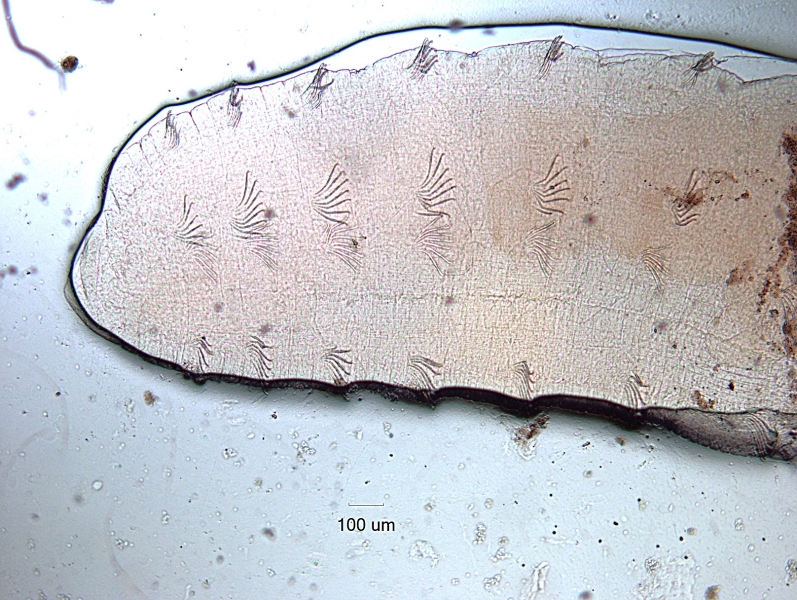
-
2/6
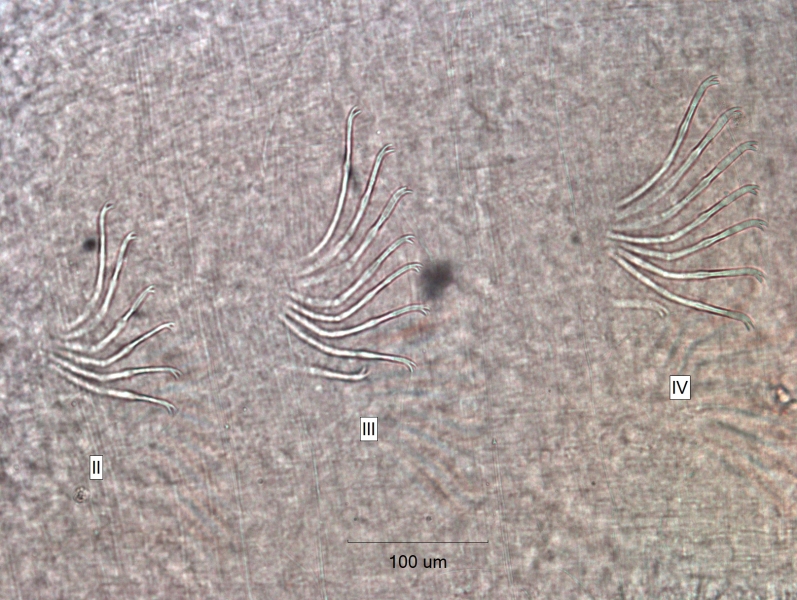
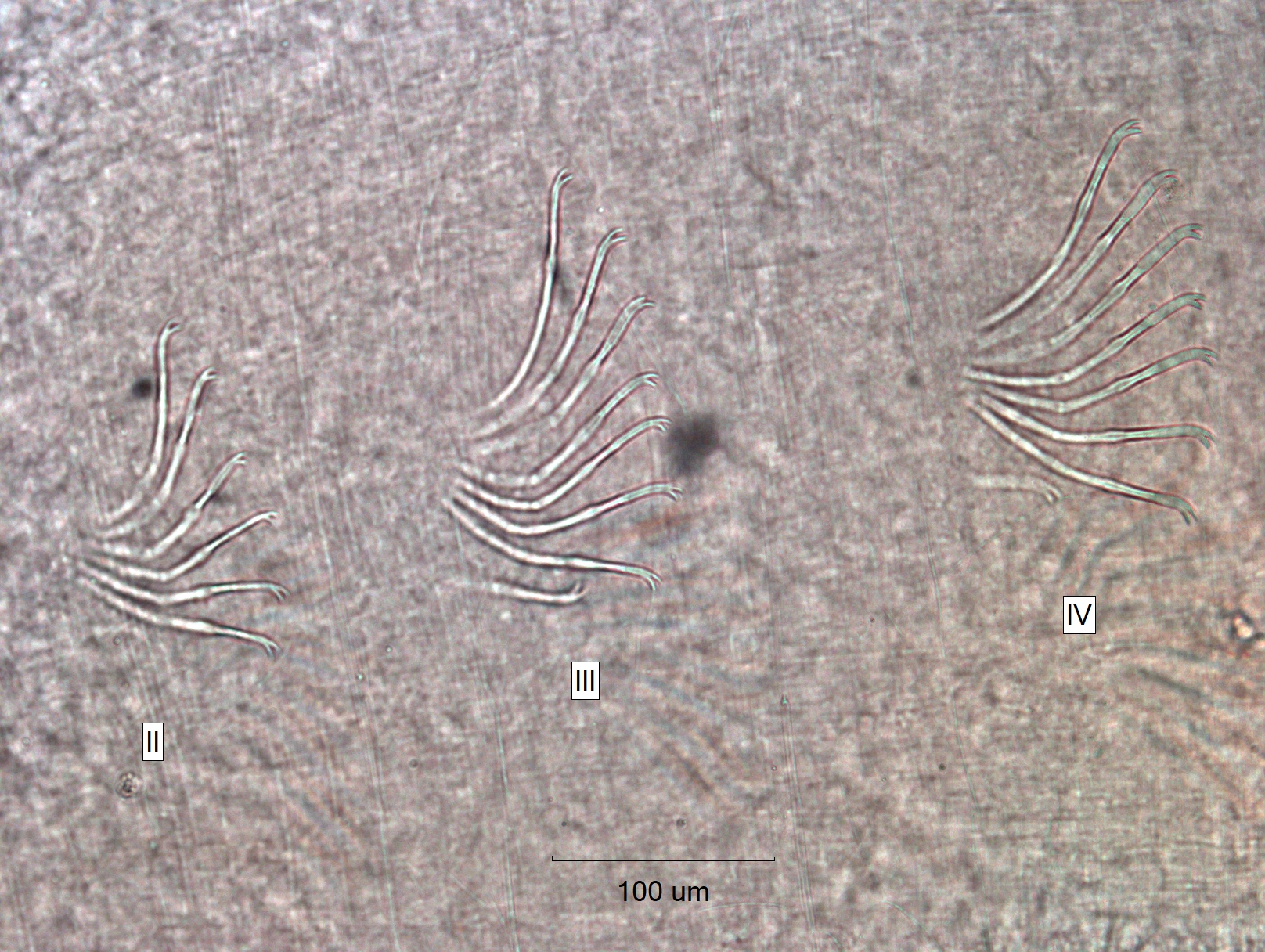
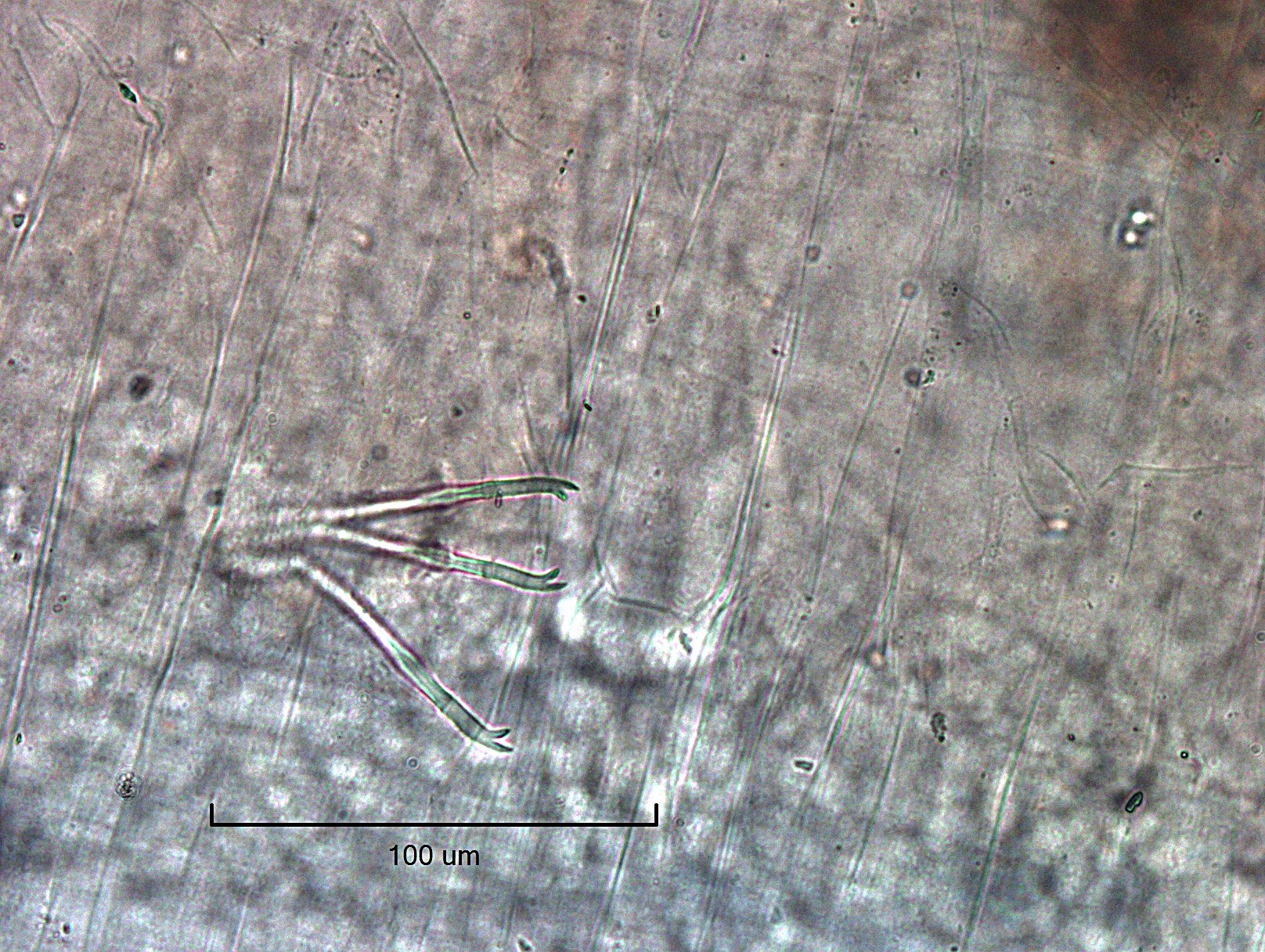
Figure 2. It is common for Limnodrilus spp. to have variation in the chaetae, but the upper teeth of L. profundicola are subequal to a little longer and thinner than the lower, possibly at 45° to the axis of the chaetae; the chaetae are sometimes worn down.
Download Image -
3/6
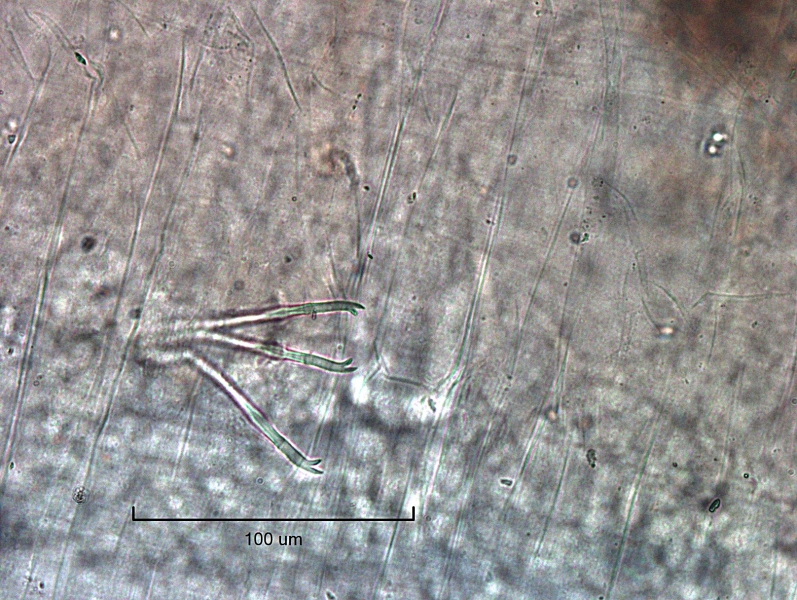
Figure 3. The posterior chaetae are less numerous than the anterior chaetae and tend to have shorter bifid teeth. Here, the upper tooth is still slightly longer than the lower.
Download Image -
4/6
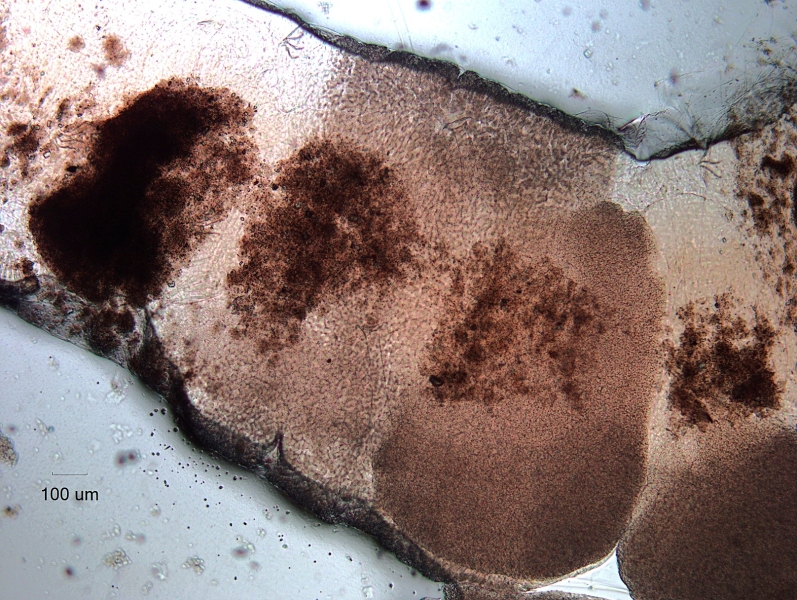
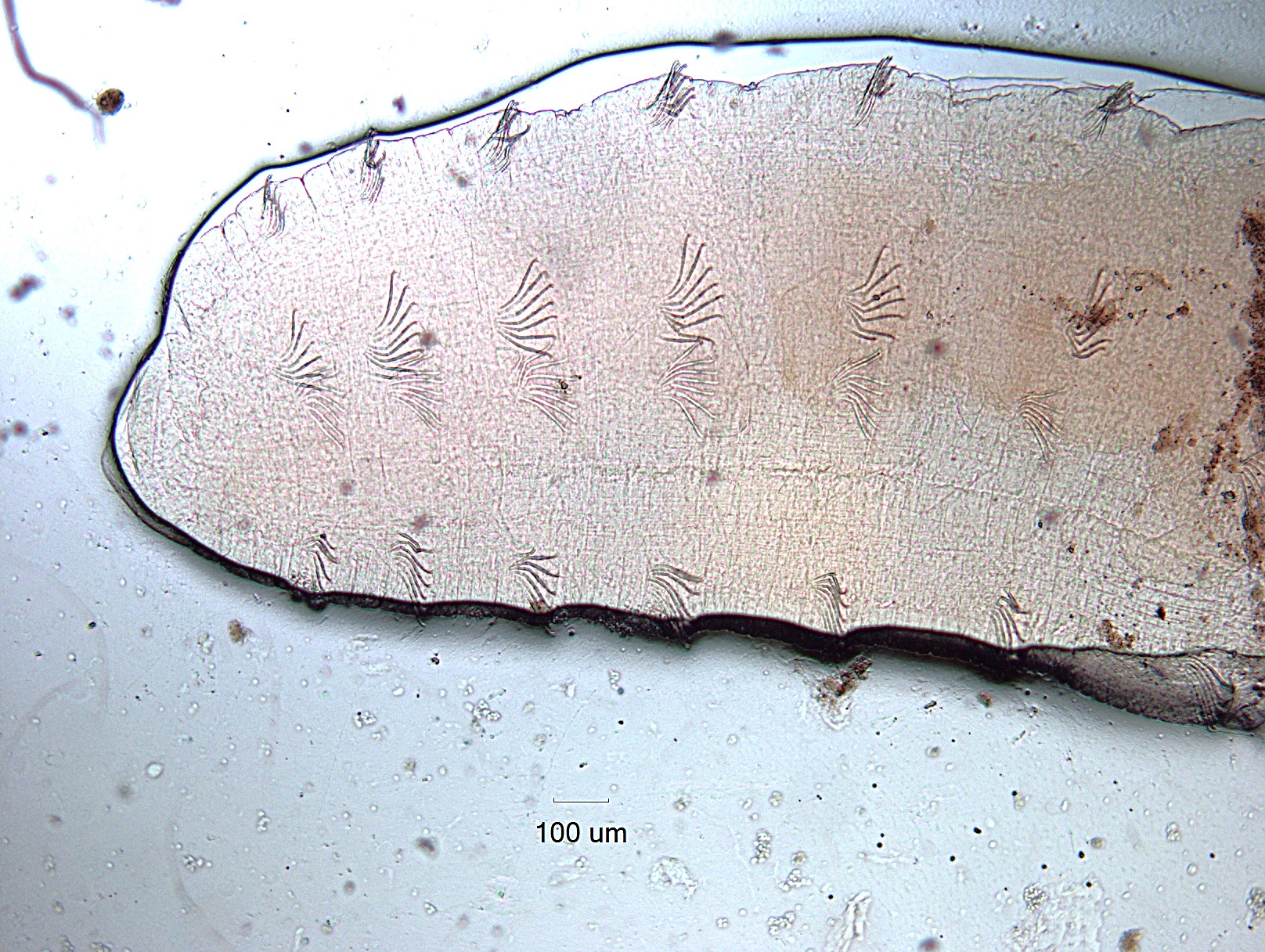
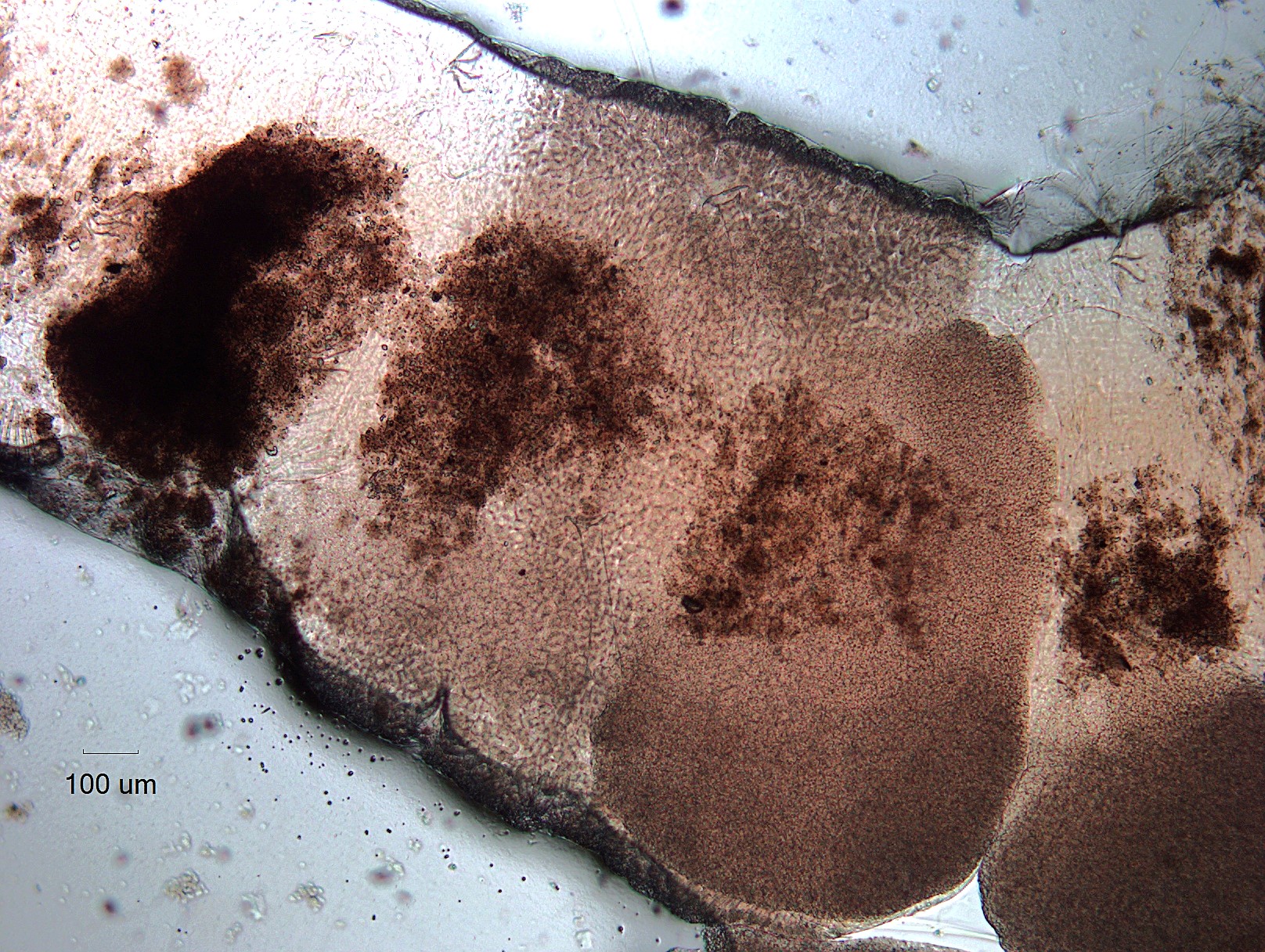
Figure 4. Sometimes Limnodrilus spp. have a notable clitellum as well as penis sheaths, which might make it harder to see the penis sheaths.
Download Image -
5/6
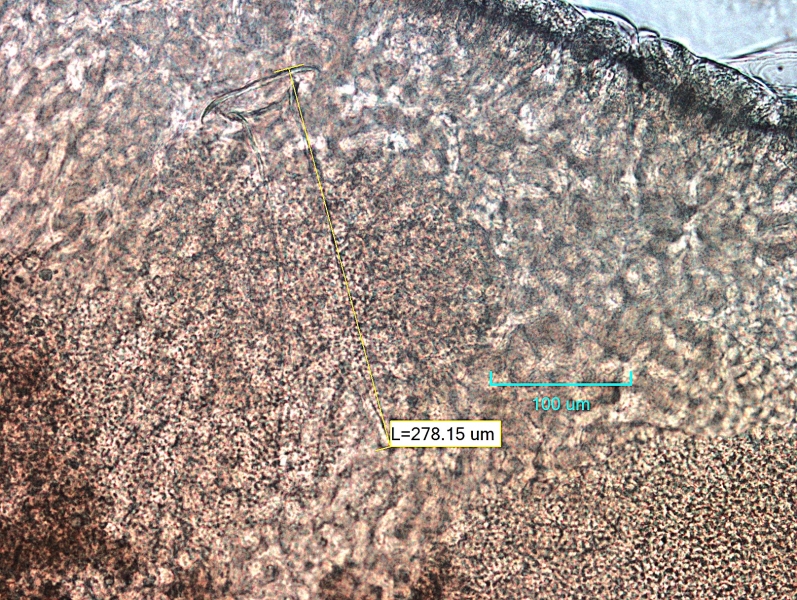
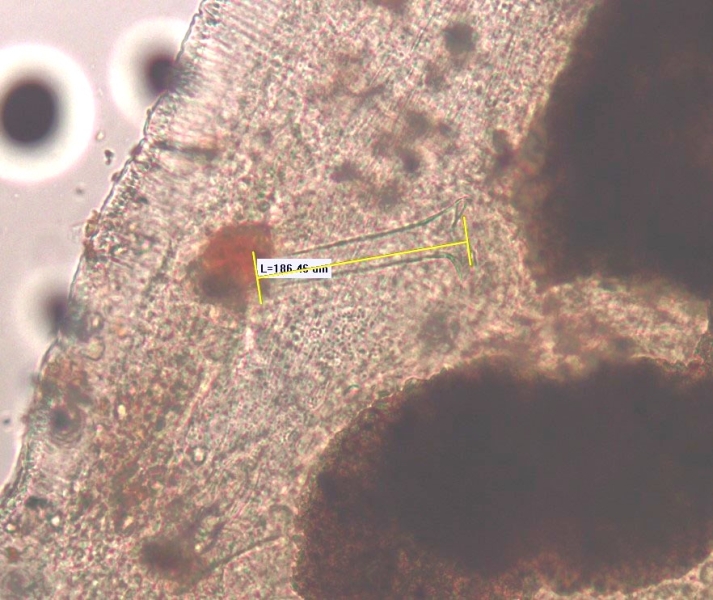
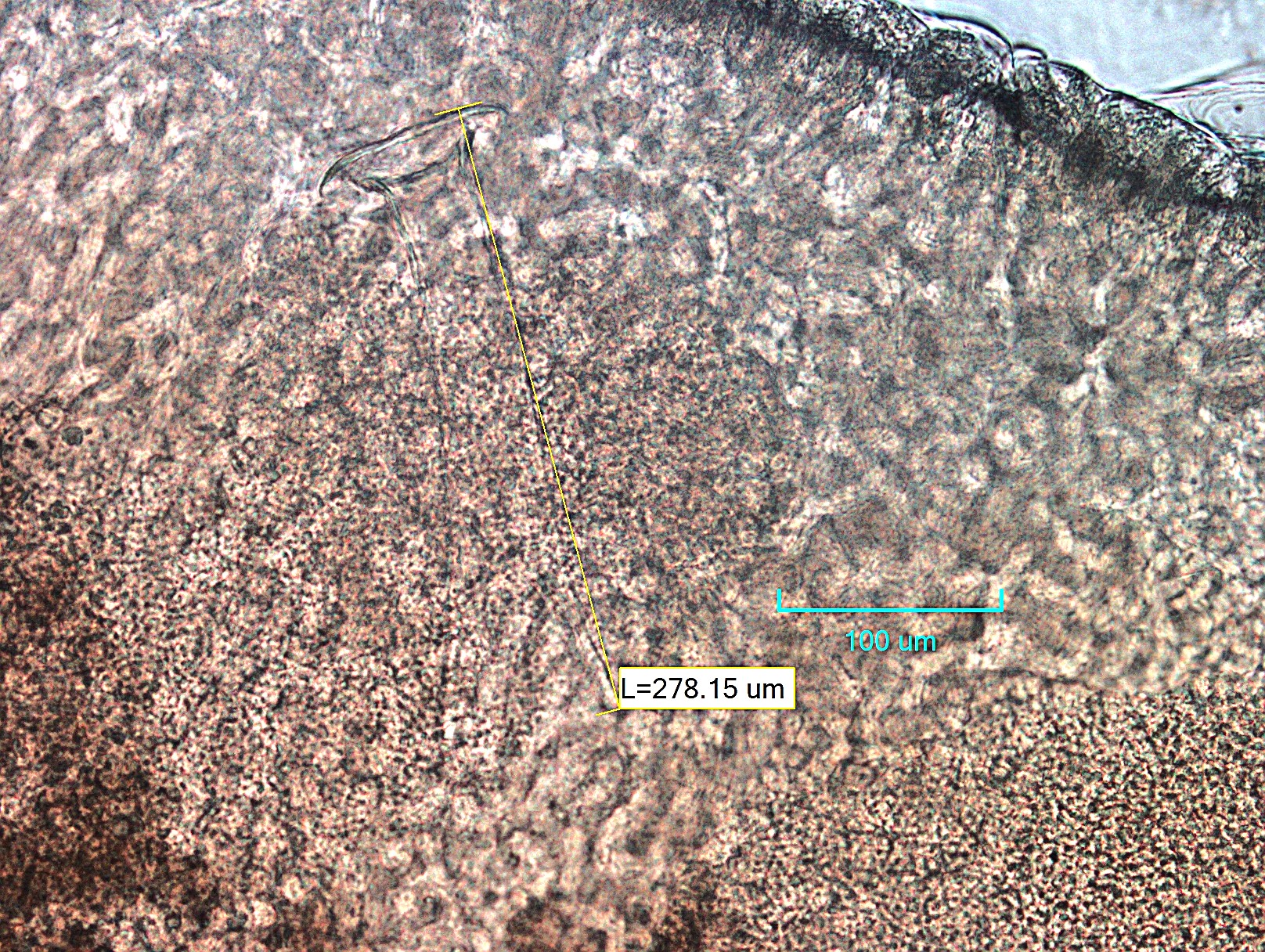
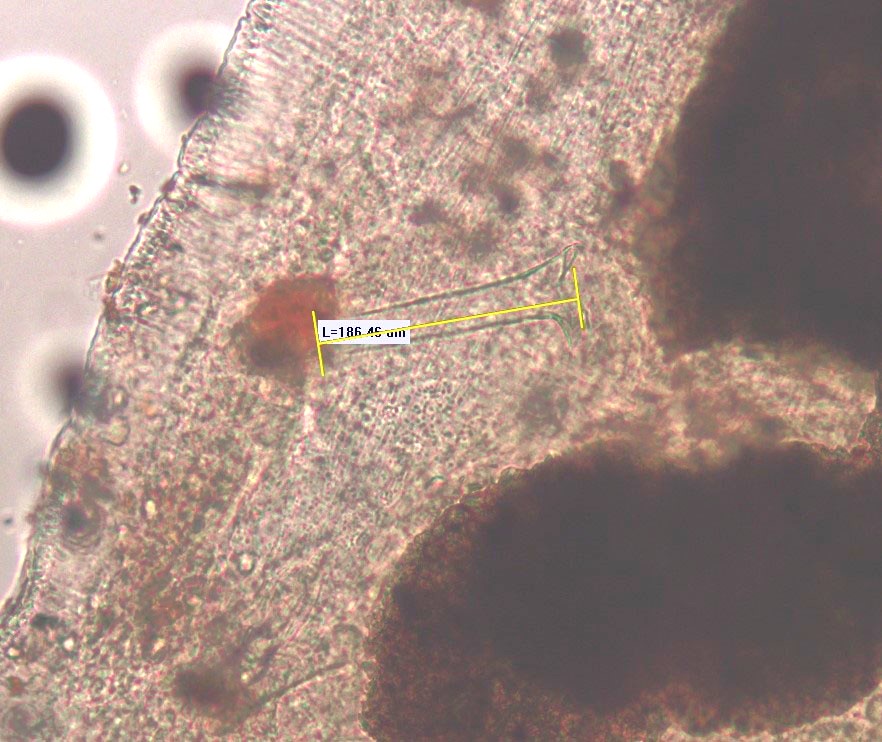
Figure 5. The penis sheaths of L. profundicola are short compared to many other Limnodrilus spp., usually measuring less than 300 µm. The head plate is often perpendicular to the shaft
Download Image -
Limnodrilus profundicola
Taxa description
Limnodrilus profundicola (Verrill, 1871) is a freshwater oligochaete worm that is uncommon in the Great Lakes. It is a tubificid worm with bifid dorsal and ventral chaetae beginning in II and short cuticular penis sheaths in XI when mature. The anterior bundles have 5–9 chaetae. It is common for Limnodrilus spp. to have variation in the chaetae, but the upper teeth of L. profundicola are subequal to a little longer and thinner than the lower, possibly at 45° to the axis of the chaetae; the chaetae are sometimes worn down. The penis sheaths are 194–300 μm and the small head plate is usually at right angles to the shaft, either reflected back over the shaft or possibly pushed forward during slide preparation.
Distinguishing features
L. profundicola is mainly identified by short penis sheaths, without which it will just appear as an immature tubificid worm without hairs. The penis sheaths are less than 300 μm with a small head plate perpendicular to the shaft. The chaetae are all bifid with the upper tooth subequal to a little longer and thinner than the lower, and no hair chaetae.
Habitat
L. profundicola can be found in soft substrates in cold, oligotrophic lakes.
Lake occurrence
This species occurs in all five Great Lakes.
Similar species
Without the presence of reproductive features, many tubificid worm species can only be identified as “immature tubificid with or without hair.” L. profundicola is most commonly confused with L. hoffmeisteri because they have similar shaped penis sheaths and their sizes nearly overlap. L. profundicola is usually less than 300 μm long, and L. hoffmeisteri is usually longer than 300 μm. L. udekemianus could similarly be confused but its penis sheath is only up to 200 μm long and it also has unique anterior chaetae with the upper tooth longer and much thicker than the lower tooth, often bent at a right angle to the shaft of the chaetae.
Another species with long penis sheaths and bifid chaetae is Varichaetadrilus angustipenis. The length is not noted in the keys, but it has long penis sheaths with small head plates usually perpendicular to the shaft, with the basal portion conical instead of cylindrical and sometimes crumpled. The other identifying factor is having chaetae in II with the upper tooth distinctly shorter and thinner than the lower. The penis sheaths of V. angustipenis are likely longer than L. profundicola, but if they do overlap L. profundicola is cylindrical and the upper tooth of the chaetae of II are not distinctly shorter and thinner than the lower.
Relative size
L. profundicola is a relatively large freshwater oligochaete.
Does it have a barcode reference from the Great Lakes?
Yes, this species does have a barcode reference from the Great Lakes.
References
Kathman, R.D., and R.O. Brinkhurst. 1998. Guide to Freshwater Oligochaetes of North America. pp. 158–159, 134, 154–162, 172–173.
Stimpson, K.S., D.J. Klemm, and J.K. Hiltunen. 1982. A Guide to the Freshwater Tubificidae (Annelida: Clitellata: Oligochaeta) of North America. pp. 36–39, 47–48.